
Best Sleep Masks With Built-In Technology
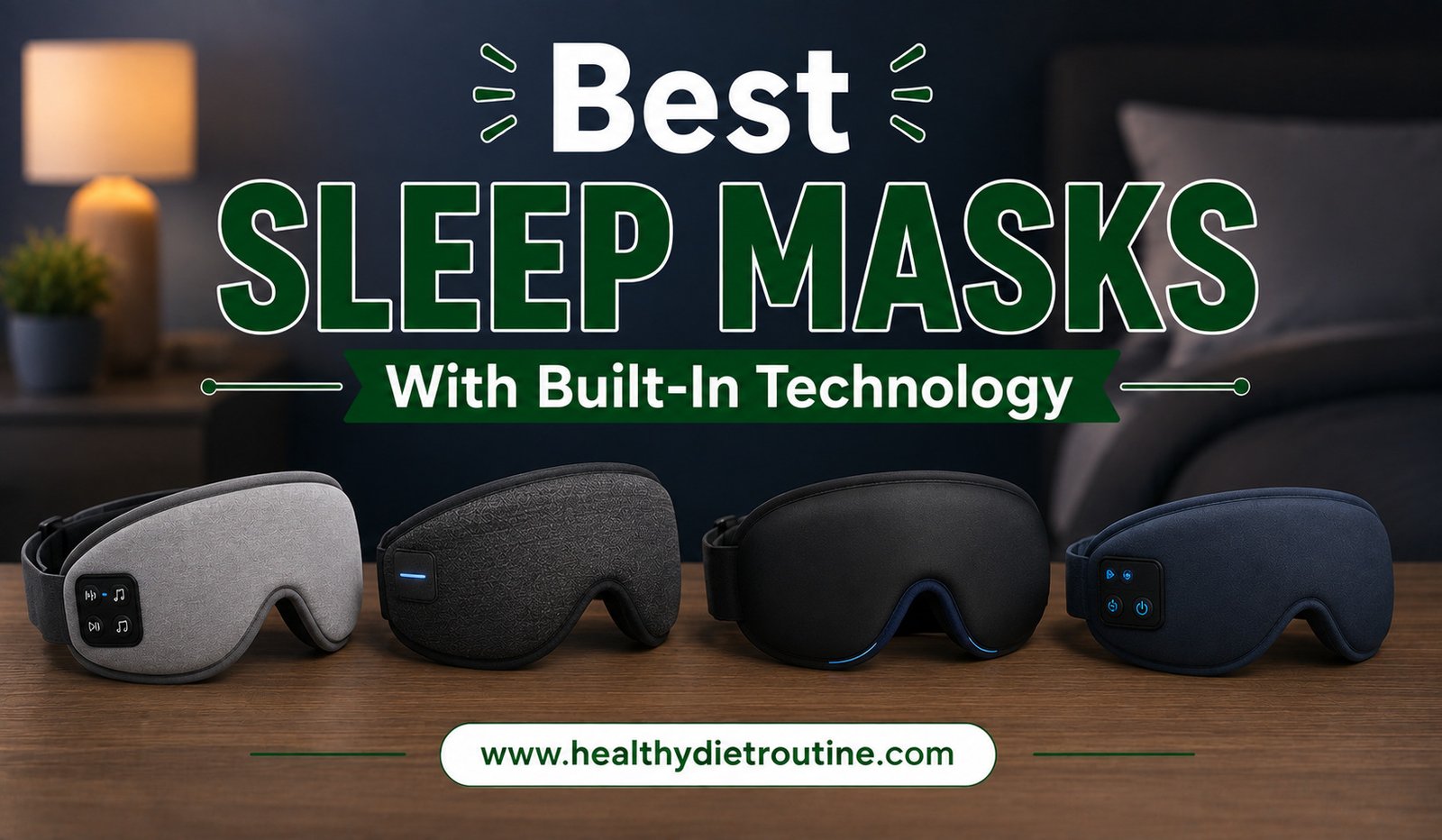
A sleep mask is traditionally a simple product designed to block unwanted light, but modern sleep technology has changed that idea. Today’s sleep masks with built-in technology can combine blackout materials with features such as Bluetooth audio, vibration, heat therapy, biometric sensors, app connectivity, and even specialized wake-up functions.
These smart sleep masks can be especially appealing to travelers, shift workers, people who sleep during the daytime, and anyone who wants a more relaxing bedtime routine. Instead of wearing a basic eye mask and separate headphones or using multiple sleep gadgets, some technology-enabled masks combine several functions into one wearable product.
However, more technology does not automatically mean better sleep. The most useful features are those that improve comfort, reduce distractions, or make a bedtime routine easier to maintain.
What Is a Smart Sleep Mask?
A smart sleep mask is an upgraded version of a traditional blackout eye mask. It uses electronic components or connected technology to provide additional functions.
Depending on the model, features may include Bluetooth speakers, vibration, heat, biometric sensing, smartphone controls, relaxation sounds, or sleep-related programs.
For example, Therabody’s SleepMask combines 100% blackout coverage with vibration therapy, heat, Bluetooth connectivity, sound therapies, and a biometric sensor designed to adjust vibration patterns according to the user’s heartbeat.
Other products focus primarily on audio. Bluetooth sleep masks can place small speakers inside the mask, allowing users to listen to music, white noise, podcasts, meditation, or sleep stories without wearing conventional earbuds.
Why Choose a Sleep Mask With Built-In Technology?
The main advantage is convenience. A traditional sleep mask blocks light, while a smart model can potentially combine several relaxation functions in one device.
For example, someone who finds earbuds uncomfortable while sleeping on their side may prefer a mask with built-in speakers. Someone who enjoys gentle relaxation before bed might prefer vibration or heat.
Smart sleep masks can also reduce the number of devices needed on a bedside table. Instead of using a separate sleep mask, headphones, and relaxation device, one product may provide several of these functions.
That said, buyers should focus on features they are actually likely to use. A complicated mask with many functions may not be worth the extra cost if you only want darkness and occasional audio.
Types of Technology-Enabled Sleep Masks
1. Bluetooth Sleep Masks
Bluetooth sleep masks contain small speakers that connect wirelessly to a smartphone or another compatible device.
They can be useful for listening to:
- White noise
- Rain sounds
- Sleep stories
- Podcasts
- Meditation
- Relaxing music
- Audiobooks
One major advantage is comfort for side sleepers. Because the speakers are integrated into the mask rather than placed inside the ear, they can avoid some of the pressure associated with traditional earbuds.
When shopping for one, pay attention to speaker positioning, battery life, Bluetooth stability, and whether the electronics can be removed before washing.
2. Heated Sleep Masks
Some technology-enabled masks include controlled heat. Warmth around the eyes and forehead can create a relaxing sensation before bedtime.
Heat is particularly appealing to people who enjoy warm relaxation routines. However, the temperature should remain comfortable, and users should follow the manufacturer’s instructions.
A heated mask should never be treated as a medical treatment for an eye condition or persistent headache.
3. Vibrating Sleep Masks
Vibration technology can provide gentle stimulation around the forehead, temples, or eye area.
Therabody’s SleepMask, for example, combines vibration therapy with blackout coverage and other features. The manufacturer says its biometric sensor can tailor vibration patterns to the user’s heartbeat.
For users who enjoy physical relaxation before sleeping, this can make a smart mask more appealing than a basic fabric design.
4. Sleep Masks With Biometric Sensors
Some advanced sleep masks use sensors to collect information related to the user’s body or sleep routine.
However, this is an area where buyers should be cautious about marketing claims. A device that records biometric information is not automatically equivalent to a clinically validated sleep tracker.
If sleep tracking is important to you, check exactly what the device measures, how the information is presented, and whether the manufacturer provides independent evidence supporting its accuracy.
5. App-Connected Sleep Masks
App connectivity can allow users to control settings, select sound programs, customize routines, or review available data.
This can be convenient, but it also introduces another consideration: software support. A device may remain physically functional even if its companion application changes or stops receiving updates.
For long-term value, a mask that can perform its core functions without depending completely on an app may be preferable.
Features to Look for in the Best Smart Sleep Mask
Choosing a technology-enabled sleep mask requires more than checking how many features it has.
Effective light blocking: This should remain the most important feature. A smart mask that leaks light around the nose or sides may not be useful for people who need darkness.
Comfortable eye cups: Contoured padding can create space around the eyes and reduce pressure on the eyelids.
Adjustable strap: A secure but comfortable strap helps the mask remain in place while sleeping.
Battery life: A long-lasting battery reduces the need for frequent charging.
Easy controls: Buttons or simple controls are useful when you want to change settings without reaching for your phone.
Washability: Look for removable electronics or washable components. This is particularly important because the mask touches your face every night.
Audio quality: If you want built-in speakers, make sure they produce clear sound at low volume and are positioned comfortably.
Timer options: Automatic shut-off can help conserve battery power and prevent audio or vibration from continuing unnecessarily.
App compatibility: If the mask depends on an app, check whether it supports your smartphone and whether core functions remain available without the app.
Smart Sleep Masks for Side Sleepers
Side sleepers need to pay particular attention to design. Bulky electronics around the ears or rigid components can become uncomfortable when pressed against a pillow.
Bluetooth sleep masks are often designed specifically to solve this problem by integrating thin speakers into the fabric or strap.
A recent review of smart sleep masks identified the Manta SOUND as a strong option for side sleepers because its speakers are integrated into the head strap rather than sitting directly between the ear and pillow.
When comparing masks, look for low-profile components, flexible straps, adjustable eye cups, and a design that does not place unnecessary pressure on the eyes.
Smart Sleep Masks for Travel
Travel is another situation where technology-enabled sleep masks can be useful.
A good travel mask can block light on airplanes, trains, buses, or unfamiliar hotel rooms. Built-in audio can also provide a familiar sound environment when traveling between locations.
For travelers, prioritize lightweight construction, compact storage, reliable battery life, USB-C charging, and easy cleaning.
A mask with too many accessories can defeat the purpose of traveling light, so choose only the features you genuinely need.
Are Smart Sleep Masks Safe?
For most users, the primary considerations are comfort, appropriate volume, heat, vibration intensity, and proper use.
Avoid using excessive heat or vibration. Follow the manufacturer’s recommended operating times and stop using the mask if it causes pain, irritation, dizziness, headaches, or other unusual symptoms.
If you have an eye condition, have recently undergone eye surgery, or have another health concern that could be affected by pressure, heat, or vibration around the face, ask a healthcare professional before using a technology-enabled mask.
It is also worth remembering that smart sleep technology is not a replacement for professional evaluation of persistent sleep problems.
If you regularly experience difficulty falling asleep, frequent nighttime waking, excessive daytime sleepiness, or other ongoing sleep problems, the underlying cause should be addressed rather than relying entirely on a gadget.
Smart Sleep Mask vs Traditional Sleep Mask
A traditional sleep mask has one primary purpose: blocking light. It is usually lightweight, inexpensive, easy to clean, and simple to use.
A smart sleep mask adds features such as audio, heat, vibration, or connectivity. These can improve convenience but also make the product more expensive and require charging.
If darkness is your only priority, a high-quality traditional mask may be the better choice. If you want private audio or additional relaxation functions, the extra technology may justify the higher price.
The best choice depends on whether the technology solves a real problem in your bedtime routine.
How to Choose the Best Sleep Mask With Technology
Start with your main reason for buying one.
If you want to listen to audio without earbuds, choose a comfortable Bluetooth sleep mask. If relaxation is your priority, consider heat or vibration. If you want data, carefully investigate the device’s actual tracking capabilities instead of relying on broad claims about AI or sleep optimization.
Light blocking and comfort should remain priorities regardless of the technology included.
Also consider battery life, washing instructions, charging requirements, return policies, and the long-term reliability of the companion app if one is required.
Technology should enhance the basic sleep mask rather than compromise it.
Final Thoughts
The best sleep masks with built-in technology combine effective light blocking with useful features such as Bluetooth audio, vibration, heat, or smart controls. They can be particularly convenient for travelers, side sleepers, shift workers, and people who want a more structured bedtime routine.
Current smart sleep masks range from relatively simple Bluetooth designs to advanced products with biometric sensors and app-connected features. For example, Therabody’s SleepMask combines blackout coverage, vibration, heat, Bluetooth, sound therapies, and biometric sensing in one device.
However, buyers should avoid assuming that every advanced feature has proven sleep benefits. Technology can make a sleep routine more convenient, but comfort, darkness, consistent sleep habits, and a suitable sleeping environment remain fundamental.
Before buying, identify the feature you actually need. If it is audio, prioritize speaker comfort and battery life. If it is relaxation, look for comfortable heat or vibration settings. If it is sleep tracking, investigate the quality and limitations of the data.
A well-designed smart sleep mask can be a useful addition to a bedtime routine, but the smartest choice is not necessarily the mask with the most technology. It is the one that comfortably solves your particular sleep-environment problem.