
Best Sunrise Alarm Clocks for Morning Routines
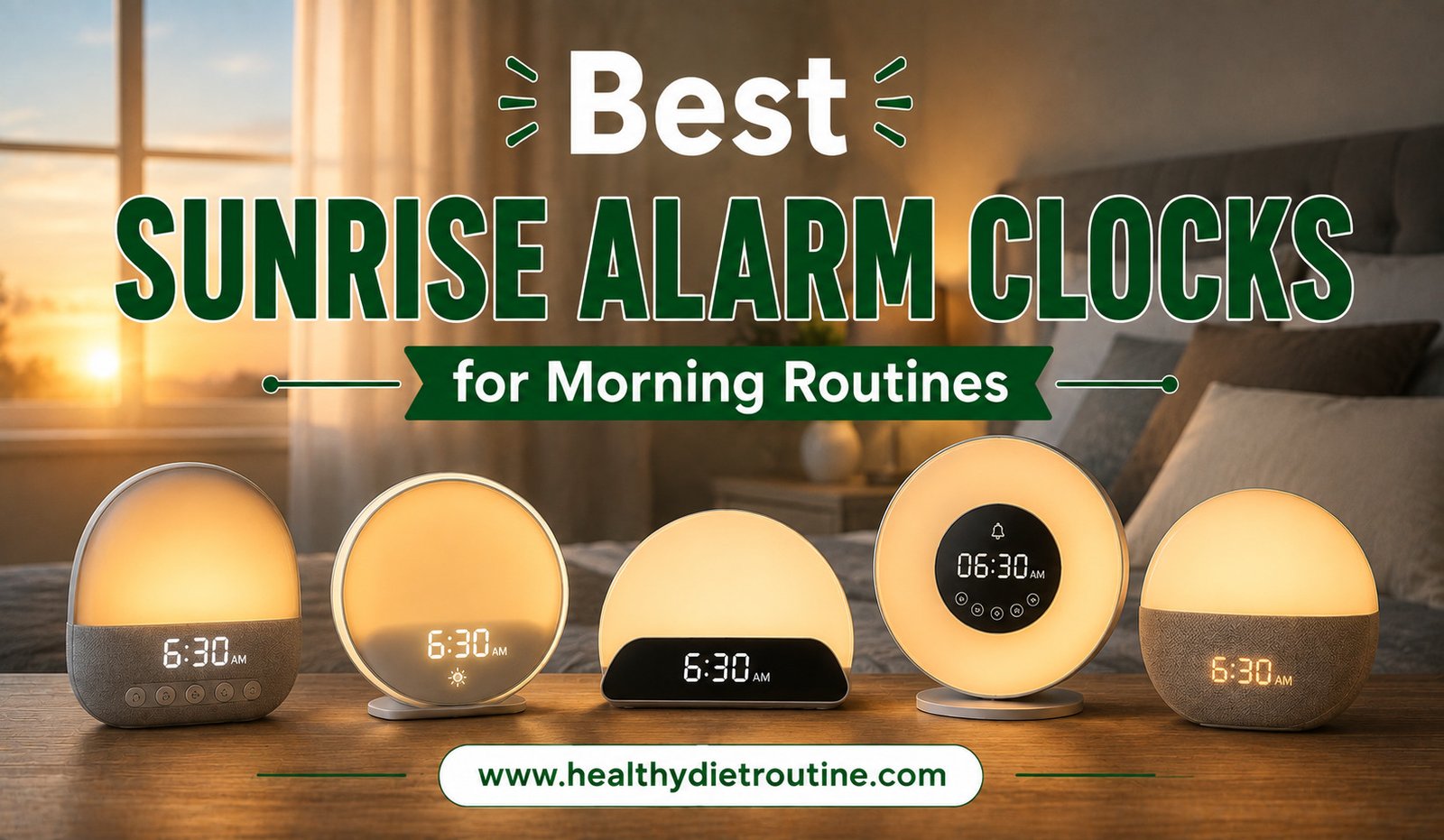
Waking up to a loud phone alarm can make mornings feel rushed before the day has even started. If you regularly hit snooze, wake up feeling groggy, or simply want a calmer start to the day, a sunrise alarm clock can be a useful addition to your bedroom.
Unlike traditional alarms that depend mainly on sound, sunrise alarm clocks gradually increase the brightness of a built-in light before your chosen wake-up time. The idea is to imitate the gradual arrival of morning daylight, creating a gentler transition from sleep to wakefulness. Many modern models also combine sunrise lighting with nature sounds, white noise, sunset routines, sleep content, and smart-home features.
With several options available in 2026, choosing the right model depends on whether you prioritize simple controls, bright light, smart features, relaxing sounds, or a complete bedtime-to-morning routine.
What Is a Sunrise Alarm Clock?
A sunrise alarm clock, also called a wake-up light or dawn simulator, uses gradually increasing light to simulate sunrise. Instead of switching on at full brightness at the exact alarm time, the light typically begins dim and becomes brighter over a period that can range from around 10 minutes to an hour, depending on the model.
Some clocks also provide an audible alarm near the end of the light cycle. This can be useful for people who do not wake reliably from light alone.
The concept is based on the role of light in regulating the body’s sleep-wake cycle. Morning light is an important signal for the circadian rhythm, which helps the body distinguish between daytime and nighttime.
1. Hatch Restore 3
The Hatch Restore 3 is one of the most feature-rich choices for people who want more than a basic alarm clock. Sleep-focused reviews in 2026 have consistently highlighted it as a strong all-rounder for customizable morning and evening routines.
The device combines sunrise lighting with sleep sounds, customizable routines, and sunset lighting. Its companion app lets users create personalized schedules for winding down at night and waking up in the morning.
One of its biggest advantages is flexibility. You can build a routine that gradually changes the lighting and sound rather than relying on a single alarm tone.
The main consideration is that some of its more extensive content and features require a Hatch+ membership. If you prefer a completely app-free experience, another model may be a better fit.
2. Lumie Bodyclock Shine 300
The Lumie Bodyclock Shine 300 is a strong option for people who want a dedicated sunrise alarm without depending heavily on smartphone controls.
It provides adjustable sunrise and sunset routines and includes multiple wake-up sounds. Some current 2026 comparisons highlight its physical controls and flexible sunrise duration as major advantages.
This makes it particularly appealing for people who want to keep their phones away from the bed. You can configure the clock and use its controls without needing to open an app every morning.
The Shine 300 is also a good middle ground between a basic wake-up light and a highly connected sleep system.
3. Philips SmartSleep Wake-Up Light
Philips has been associated with wake-up light technology for years, and the Philips SmartSleep Wake-Up Light remains an important option for people who prioritize gradual light simulation.
Its design focuses strongly on the light-based wake-up experience rather than turning the clock into a full smart-home hub. Reviews have highlighted its ability to create a convincing sunrise effect and its usefulness for people who prefer straightforward operation.
For users who do not want another smartphone-controlled gadget beside their bed, this simplicity can be an advantage.
Its main drawback compared with newer smart devices is the relatively limited connected functionality.
4. WiiM Wake-Up Light
The WiiM Wake-Up Light is an interesting choice for users who want smart controls combined with a broad selection of sounds and lighting options.
According to 2026 testing from WIRED, the device supports sunrise and sunset routines, connects through an app, and offers a large selection of sounds and stations without requiring a subscription.
Its compact design can work well on smaller bedside tables. It may not replace a full-size bedroom lamp, but it can provide useful ambient lighting while serving as a wake-up device.
This makes it worth considering if you want smart functionality without moving into the higher-priced premium category.
5. Dreamegg Sunrise Alarm Clock
For people looking for a simpler and more budget-friendly sunrise alarm, Dreamegg models offer the essential features without requiring an elaborate smart-home setup.
The Dreamegg Sunrise 1, for example, has been highlighted for its straightforward controls and built-in sound options. Current comparisons note that it can provide sunrise and nighttime routines directly from the device without an app.
This approach is useful for users who want to reduce phone use in the bedroom. You can set the clock before going to sleep and let it handle the wake-up routine automatically.
It may not offer the extensive customization found on premium smart clocks, but its simplicity can be exactly what some users want.
6. Lumie Bodyclock Glow 150
The Lumie Bodyclock Glow 150 is another option for people who want a dedicated wake-up light with straightforward operation.
It focuses on the core sunrise experience rather than adding a large collection of smart-home functions. Reviews have praised its sunrise simulation and pleasant alarm sounds, making it a good choice for users who want to replace a traditional alarm with something gentler.
Its simpler design can also make it easier for first-time buyers to understand.
Important Features to Look For
When choosing the best sunrise alarm clock for your morning routine, the light itself should be your first consideration. Look for adjustable brightness and, where possible, different light colours. A brighter light can be more useful for people who have difficulty waking up, while adjustable colour temperatures can make evening routines more comfortable.
The sunrise duration is another important feature. Some clocks offer only a few preset durations, while more advanced models allow you to select a longer or shorter gradual brightening period.
Sound options are also worth considering. Nature sounds, gentle music, white noise, and traditional alarm tones can give you different ways to finish the wake-up routine.
If you want to reduce screen use at night, physical buttons are valuable. On the other hand, app control can be useful if you enjoy creating detailed schedules and automated routines.
Sunrise Alarm Clock vs Phone Alarm
A phone alarm is convenient because almost everyone already has a smartphone. However, it also creates an opportunity to check notifications, social media, email, or messages immediately after waking.
A dedicated sunrise alarm clock separates the waking process from the phone. This can help create a more intentional morning routine.
It also provides a gradual light experience that a standard phone alarm does not normally offer. For people who dislike being abruptly awakened by loud sounds, that difference can make the morning feel less stressful.
How to Use a Sunrise Alarm Clock Effectively
Place the clock where its light can reach your face while you are lying in bed, but avoid positioning it so close that the light feels uncomfortably intense.
Start with a sunrise duration of around 20–30 minutes and adjust it based on your experience. If you are a heavy sleeper, combine the light with a gentle sound alarm rather than relying entirely on illumination.
You can also use a sunset routine if your device supports one. Gradually dimming the light in the evening can become a useful cue that it is time to begin winding down. Several modern sunrise clocks offer both sunrise and sunset routines.
Most importantly, keep your wake-up time reasonably consistent. A sunrise clock works best as part of a regular sleep schedule rather than as a replacement for adequate sleep.
Final Thoughts
The best sunrise alarm clocks for morning routines offer a calmer alternative to traditional alarms by combining gradual light with optional sounds and personalized schedules.
The Hatch Restore 3 is a strong choice for people who want a complete connected sleep routine, while the Lumie Bodyclock Shine 300 is appealing for those who prefer physical controls and flexible sunrise settings. Philips SmartSleep remains a good option for light-focused users, while WiiM and Dreamegg provide interesting alternatives for people looking for smart features or budget-friendly simplicity.
Before buying, consider your bedroom setup, preferred brightness, sound requirements, smartphone habits, and budget. The right sunrise alarm clock should make waking up feel less like an interruption and more like a natural beginning to your day.