Healthy Snack Ideas for Work and Study Breaks
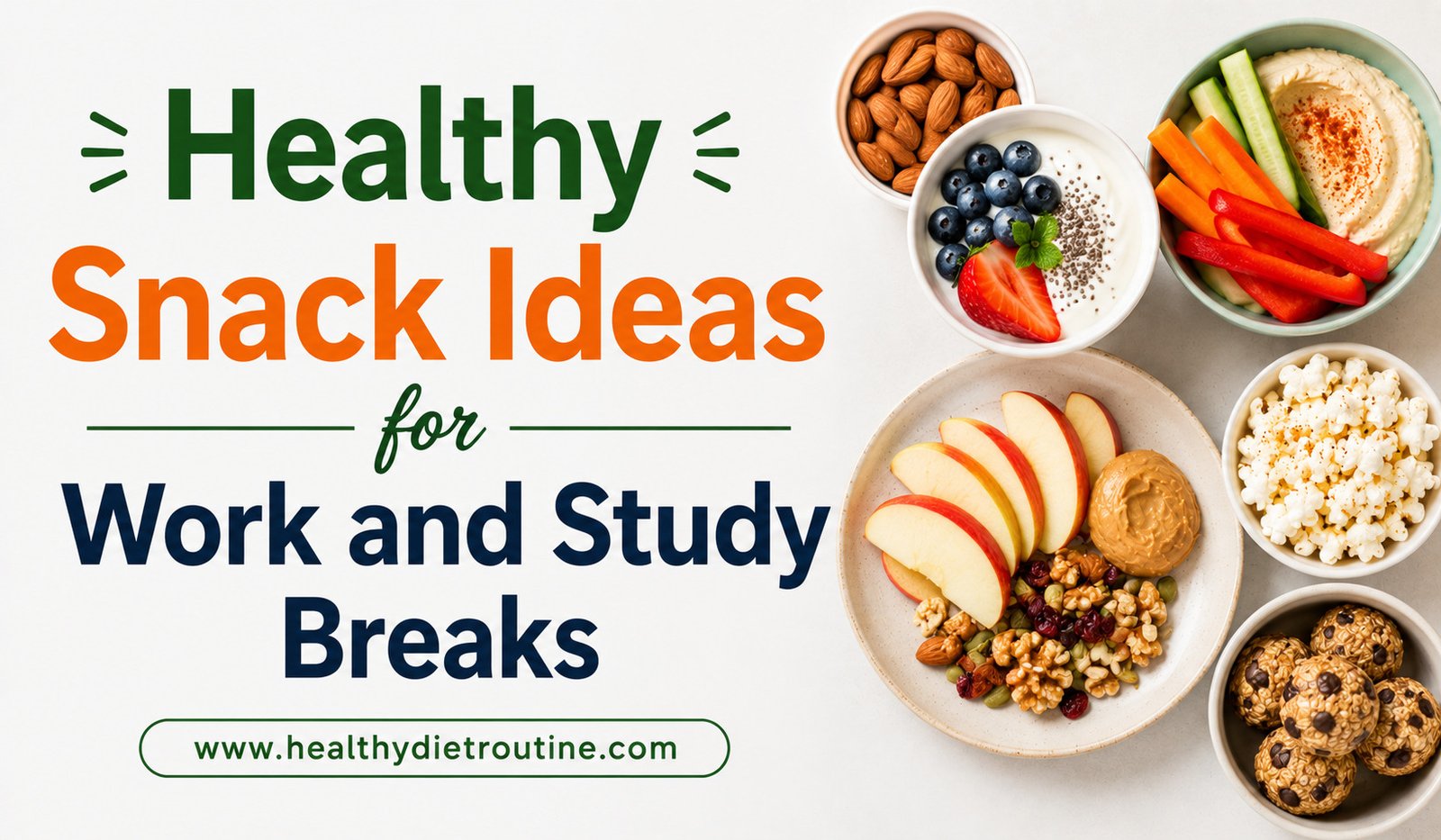
Long workdays and study sessions often come with one familiar problem: hunger between meals. When you are focused on a deadline, an assignment, or an important meeting, it can be tempting to reach for biscuits, chips, chocolate, or sugary drinks because they are convenient. However, keeping nutritious snacks nearby can make it easier to make balanced choices without interrupting your routine.
A good snack does not have to be complicated. Simple combinations of fruit, protein-rich foods, whole grains, nuts, seeds, and vegetables can provide satisfying options for short breaks. The key is to choose snacks that fit your schedule, preferences, and appetite.
Here are some practical healthy snack ideas for work and study breaks that are easy to prepare and carry.
Why Choose Healthy Snacks?
Snacks can help bridge the gap between meals when you are genuinely hungry. They can also be useful when your next meal is several hours away.
However, not every snack needs to be large. A small portion may be enough to satisfy hunger. Choosing foods that contain protein, fiber, or healthy fats can make a snack more satisfying than foods based mainly on refined carbohydrates or added sugar.
The goal is not to snack constantly but to have nutritious options available when you need them.
1. Fresh Fruit and Nuts
A piece of fruit paired with a small handful of nuts is one of the easiest snack combinations.
Try an apple with almonds, a banana with peanuts, or an orange with walnuts. Fruit provides carbohydrates, water, vitamins, and fiber, while nuts provide protein, healthy fats, and other nutrients.
This combination is particularly convenient for office workers and students because it requires little preparation.
2. Roasted Chickpeas
Roasted chickpeas can be a crunchy alternative to chips. They provide plant-based protein and fiber and can be seasoned with spices according to your taste.
You can prepare them at home and store a portion in a suitable airtight container. Keep the added salt moderate if you are trying to reduce your sodium intake.
They are easy to carry in a small container and can be eaten during a short break.
3. Plain Yogurt With Fruit
Plain yogurt can make a convenient snack because it provides protein and calcium.
Add chopped banana, apple, berries, papaya, or another fruit. You can also sprinkle a small amount of chia or flaxseed on top.
If you purchase flavored yogurt, check the nutrition label because some varieties contain considerable amounts of added sugar. Plain yogurt allows you to control the sweetness yourself.
4. Vegetable Sticks With Hummus
Cut carrots, cucumber, bell peppers, or other crunchy vegetables into sticks and pair them with hummus.
The vegetables provide fiber and nutrients, while hummus made from chickpeas provides plant-based protein and healthy fats.
This snack can be prepared in advance and stored in the refrigerator, making it useful for work-from-home days or packed office lunches.
5. Boiled Eggs
Boiled eggs are a simple protein-rich snack that can be prepared ahead of time.
Keep boiled eggs refrigerated and pack them safely when taking them to work or college. You can eat them with cucumber or tomato slices, or pair them with whole-grain toast.
Because eggs are relatively filling, they can be especially useful when you need a snack that can keep you satisfied until your next meal.
6. Homemade Trail Mix
Instead of purchasing a heavily sweetened packaged trail mix, create your own combination.
Mix almonds, walnuts, peanuts, pumpkin seeds, sunflower seeds, and a small amount of dried fruit. Keep portions moderate because nuts and dried fruits can be energy-dense.
You can prepare several small portions at once so you have a ready-to-go snack for the week.
7. Makhana
Makhana, or fox nuts, can be roasted at home and seasoned with spices for a light, crunchy snack.
You can prepare roasted makhana with a small amount of oil and flavors such as black pepper, cumin, or mild spices.
It can be a useful alternative to fried snack foods when you want something crunchy while working or studying.
8. Peanut Butter and Banana Toast
Whole-grain toast topped with peanut butter and banana can provide a combination of carbohydrates, protein, healthy fats, and fiber.
Choose peanut butter with minimal added sugar and keep the portion reasonable.
This snack works particularly well before a long study session because it is more substantial than a handful of cookies while still being quick to assemble.
9. Sprouts Chaat
Sprouts can be turned into a flavorful snack with very little effort.
Mix moong sprouts with chopped cucumber, tomato, onion, coriander, and lemon juice. Add spices according to your preference.
You can prepare the ingredients beforehand and combine them shortly before eating. This creates a fresh snack with protein, fiber, and vegetables.
10. Air-Popped Popcorn
Popcorn can be a good snack when prepared simply. Air-popped popcorn provides whole grains and can satisfy the desire for something crunchy.
Instead of covering it with large amounts of butter, sugar, or salt, season it with herbs and spices.
For office or study sessions, portion it into a small container rather than eating directly from a large bowl. This can make it easier to be aware of how much you are eating.
11. Homemade Energy Bites
Energy bites can be prepared using ingredients such as oats, peanut butter, nuts, seeds, and dates.
Blend or mix the ingredients, form small balls, and refrigerate them. They can be convenient when you need a quick snack.
Because dates and nut butters are calorie-dense, keep the portions small and avoid adding unnecessary sugar.
12. Fruit Chaat
Fruit chaat is a simple way to make a snack more interesting.
Combine chopped fruits such as apple, guava, papaya, pomegranate, and orange. Add lemon juice and mild spices for flavor.
It can be prepared quickly and offers a refreshing alternative to packaged desserts.
13. Whole-Grain Crackers With Paneer
Whole-grain crackers paired with paneer can provide a combination of carbohydrates and protein.
Add cucumber or tomato slices for extra freshness. If you prefer, you can use whole-wheat roti pieces instead of crackers.
This is a practical option when you want something savory during an afternoon work break.
14. Homemade Smoothie
A simple smoothie can be useful when you are working from home or studying at home.
Blend milk or plain yogurt with banana, berries, papaya, or another fruit. Add oats or seeds if you want a more substantial snack.
Avoid turning the smoothie into a dessert by adding excessive sugar, flavored syrups, or large quantities of sweetened ingredients.
Smart Snacking Tips for Busy Days
Healthy snacking becomes easier when you plan ahead. Keep a few non-perishable options in your desk, bag, or kitchen, such as roasted chickpeas, nuts, seeds, or homemade popcorn.
For perishable foods such as yogurt, boiled eggs, paneer, and cut vegetables, use appropriate refrigeration and food-storage practices.
It is also helpful to distinguish between hunger and boredom. During long study sessions, people sometimes reach for food simply because they need a break. Stand up, stretch, drink some water, or walk around for a few minutes before deciding whether you actually need a snack.
Most importantly, avoid labeling individual foods as completely “good” or “bad.” A healthy eating pattern can include occasional treats. The bigger picture of your everyday diet matters more than one snack.
How to Choose the Right Snack
The ideal snack depends on how hungry you are and how long it will be before your next meal.
If you need something light, fruit or a small handful of nuts may be enough. If you have several hours before your next meal, consider combining protein and fiber, such as yogurt with fruit, eggs with vegetables, or hummus with vegetable sticks.
If you exercise during the day, your nutritional needs may be different. Your snack can be adjusted according to your activity level and overall diet.
Final Thoughts
Work and study breaks are perfect opportunities to make nutritious choices without spending much time in the kitchen. Fresh fruit, nuts, yogurt, roasted chickpeas, makhana, boiled eggs, sprouts, popcorn, and simple homemade snacks can all fit into a balanced routine.
The best healthy snacks for work and study are those that are convenient enough to prepare regularly and enjoyable enough that you actually want to eat them.
Plan a few options in advance, keep portions sensible, stay hydrated, and choose foods that provide a combination of nutrients rather than relying mainly on added sugar and refined ingredients. Small snack choices, repeated consistently, can become a useful part of a healthier everyday lifestyle.