
Best Eye Massagers for Screen Users
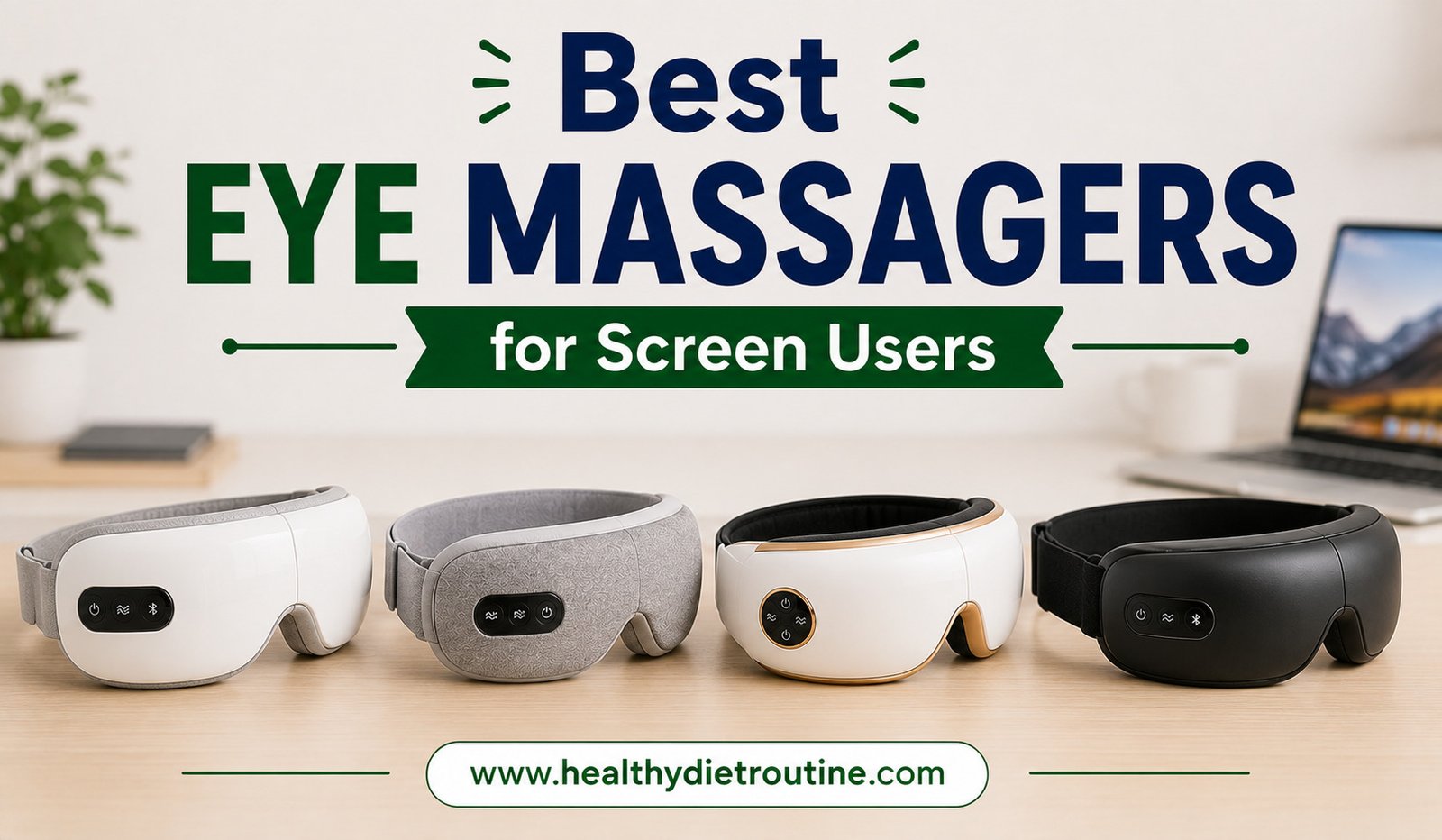
Spending hours looking at computers, smartphones, tablets, and other digital devices can leave your eyes feeling tired by the end of the day. Dryness, eye fatigue, headaches, blurred vision, and general discomfort are commonly associated with prolonged screen use. This collection of symptoms is often described as digital eye strain or computer vision syndrome.
For people who work on computers, study online, edit videos, play games, or regularly scroll through their phones, an eye massager can be an appealing relaxation tool. Modern eye massagers typically combine gentle vibration, air compression, warmth, or a combination of these features around the eye area.
However, an eye massager should be viewed as a comfort and relaxation product rather than a treatment for an eye condition. The best device is one that feels comfortable, is easy to use, and fits naturally into a healthy screen-time routine.
Why Screen Users Consider Eye Massagers
Digital screens require prolonged near focusing, and extended screen use can contribute to symptoms such as eyestrain, headaches, blurred vision, and dry eyes. The American Optometric Association notes that people who spend two or more continuous hours using computers or digital screens each day are at greater risk of digital eye strain.
An eye massager can provide a short relaxation break after a long work or study session. Many models gently compress the area around the eyes, while others add warmth or vibration.
For someone who spends most of the day in front of a monitor, using an eye massager for a brief relaxation session can be more convenient than booking a professional wellness treatment.
Types of Eye Massagers to Consider
1. Air Compression Eye Massagers
Air compression models use inflatable sections that gently press and release around the eyes, temples, and forehead.
This type can create a relaxing sensation and may be appealing to people who experience tiredness after prolonged screen use. Some models combine compression with heat or vibration.
When choosing one, look for adjustable pressure. Compression that feels too strong can make the experience uncomfortable.
2. Heated Eye Massagers
Heated eye massagers use controlled warmth around the eye area. Warmth can make a relaxation session feel soothing, especially after a long day of computer work.
Some devices combine heat with gentle vibration or air compression. If you prefer a simple experience, a heat-focused model may be enough.
Always follow the manufacturer’s temperature and usage instructions. The eye area is sensitive, so higher heat is not necessarily better.
3. Vibrating Eye Massagers
Vibration-based models provide gentle movement around the eyes and temples. They are often lightweight and relatively simple to operate.
These can be suitable for users who do not want strong compression. A vibration massager may also be convenient for short relaxation sessions between work tasks.
4. Smart or Multi-Mode Eye Massagers
Some modern models offer several functions, such as heat, compression, vibration, and different massage programs.
These devices can provide more customization, but additional features can also increase price and complexity. If you only want occasional relaxation, a simpler model may be a better value.
5. Portable Eye Massagers
Portable designs are useful for people who work in different locations or travel frequently. Rechargeable models can be used without remaining connected to a power outlet.
For regular travelers, consider battery life, weight, folding design, charging method, and whether the device is easy to clean.
Features to Look for in the Best Eye Massager
Choosing an eye massager is less about finding the device with the longest feature list and more about finding one that feels comfortable and practical.
Adjustable intensity: Different users have different preferences. Adjustable compression or vibration lets you select a comfortable level.
Heat control: A heat setting can add relaxation, but the temperature should remain comfortable and within the manufacturer’s recommended range.
Multiple modes: Some people prefer compression, while others enjoy vibration or warmth. Multiple modes provide more flexibility.
Automatic timer: A built-in timer helps prevent unnecessarily long sessions and makes the device easier to use as part of a routine.
Rechargeable battery: Cordless operation can make an eye massager easier to use at a desk, on the sofa, or while traveling.
Comfortable fit: The device should sit comfortably around the eyes without putting excessive pressure on the eyeballs.
Adjustable strap: An adjustable strap can help accommodate different head sizes and keep the device securely positioned.
Easy controls: Simple buttons or a remote control can make switching between modes quick and convenient.
Easy-to-clean surface: Since the device comes into contact with your face, hygiene is an important consideration.
How Eye Massagers Fit Into a Screen-Friendly Routine
An eye massager should complement—not replace—basic habits that help reduce digital eye strain.
One of the most widely recommended approaches is the 20-20-20 rule. The American Optometric Association recommends taking a 20-second break every 20 minutes and looking at something approximately 20 feet away.
Blinking regularly can also help maintain moisture on the eye surface. Screen users may become focused on their work and blink less completely, which can contribute to discomfort.
Your workspace also matters. The AOA recommends positioning a computer screen approximately 20–28 inches from the eyes and slightly below eye level, while reducing glare and adjusting screen brightness to suit the surrounding environment.
These habits are generally more important than relying on a massage device alone.
Benefits of Using an Eye Massager
The main appeal of an eye massager is relaxation. After several hours of reading, designing, coding, studying, or working on spreadsheets, closing your eyes and taking a short break can feel refreshing.
Depending on the device, users may enjoy:
- Gentle relaxation around the eyes
- A soothing warming sensation
- Light compression around the temples
- A break from continuous screen viewing
- A convenient addition to an evening routine
- Portable relaxation during travel
It is important not to confuse these comfort benefits with treatment of an eye disorder. An eye massager cannot correct vision problems, replace prescription glasses, or treat an underlying eye disease.
How to Use an Eye Massager Safely
Always read the manufacturer’s instructions before using an eye massager. Start with the gentlest setting and stop if you experience pain, dizziness, worsening headache, blurred vision, irritation, or unusual discomfort.
Do not use a device directly over an injured or irritated eye. People with eye conditions, recent eye surgery, or other relevant medical concerns should ask their eye-care professional whether an eye massager is appropriate.
It is also sensible to avoid falling asleep while wearing a powered device unless it is specifically designed and approved for that type of use.
If screen-related symptoms continue even after taking regular breaks and improving your workspace, consider getting a comprehensive eye examination. The AOA notes that uncorrected or under-corrected vision problems can contribute to computer-related eyestrain.
Eye Massager vs Simple Eye Breaks
An eye massager can feel relaxing, but you do not necessarily need a device every time your eyes feel tired.
Sometimes the most useful solution is simply stepping away from the screen. Looking into the distance, blinking fully, drinking water, changing your posture, and taking a short walk can give you a meaningful break from close-up screen work.
For example, after a long work session, you could step away from your computer, look at a distant object, stretch your shoulders, and then use an eye massager for a brief relaxation session.
This approach makes the device part of a broader routine instead of treating it as the primary solution to digital eye strain.
Who Should Consider an Eye Massager?
An eye massager may appeal to people who:
- Work on computers for several hours a day
- Spend significant time studying online
- Regularly use smartphones and tablets
- Play games for extended periods
- Work in digital design, editing, programming, or other screen-heavy jobs
- Want a relaxing addition to their evening routine
- Travel frequently and prefer portable wellness products
People experiencing persistent blurred vision, significant eye pain, recurring headaches, or other ongoing symptoms should not rely solely on an eye massager.
How to Choose the Best Eye Massager for Screen Use
Start by deciding what you actually want from the device. If warmth is your priority, choose a comfortable heated model. If you prefer a gentle sensation around the temples, look for a device with adjustable compression or vibration.
For frequent travelers, portability and battery life may matter more than having numerous massage programs. For home use, comfort, ease of cleaning, and simple controls may be more important.
A higher price does not automatically mean a better experience. A well-designed device with comfortable pressure, sensible heat, and an easy-to-use interface can be more practical than an expensive model with features you rarely use.
Final Thoughts
The best eye massagers for screen users are designed to provide comfortable relaxation after long periods of digital activity. Heated, air-compression, vibrating, and multi-mode models offer different experiences, so the right choice depends on your personal comfort and preferred features.
However, an eye massager should be part of a larger approach to screen wellness. Taking regular breaks, following the 20-20-20 rule, blinking frequently, reducing glare, maintaining a comfortable viewing distance, and arranging your monitor correctly can all help manage digital eye strain.
If eye discomfort or vision changes continue despite improving your screen habits, professional eye care is more appropriate than simply increasing massage time. Used sensibly, an eye massager can be a convenient relaxation tool for people whose daily routines involve a lot of screen time.