
Common Workout Mistakes Beginners Can Avoid
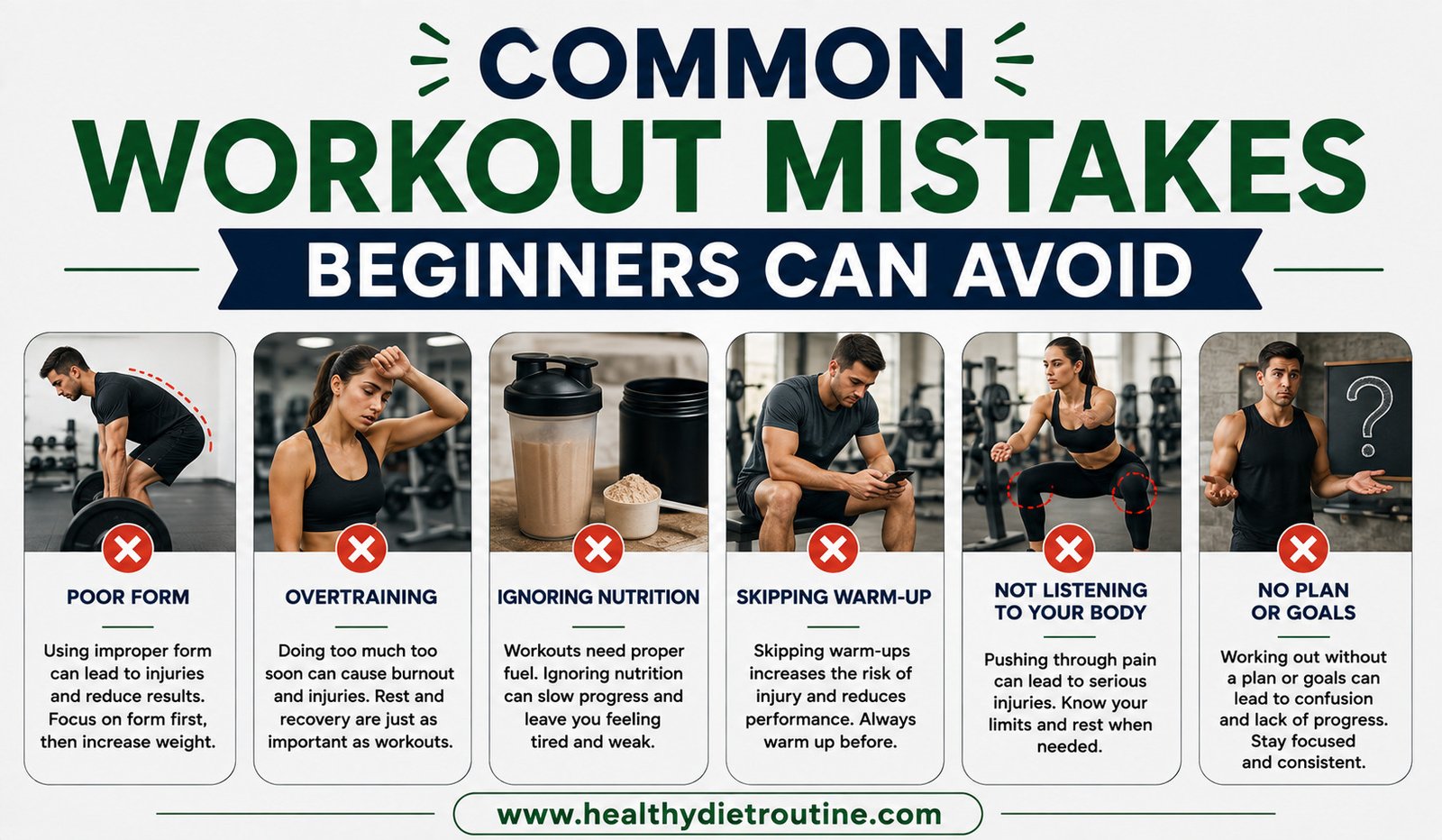
Starting a workout routine can be an exciting step toward becoming more active and improving overall fitness. However, beginners often make simple mistakes that can make exercise harder, reduce consistency, or increase the risk of discomfort and injury.
You do not need to know everything before starting. Learning a few basic principles can help you create a safer and more enjoyable workout routine. The goal is not to exercise perfectly from day one but to develop good habits that can support long-term progress.
Here are some common workout mistakes beginners can avoid.
Starting Too Hard
One of the most common mistakes is trying to do too much too soon. After deciding to get fit, it can be tempting to exercise intensely every day or copy advanced workouts found online.
Your body needs time to adapt to new physical demands. Starting with a manageable level of exercise allows you to learn proper movement patterns and gradually build endurance and strength.
Instead of trying to complete the hardest workout immediately, begin with exercises that match your current fitness level. Increase duration, resistance, or intensity gradually as your body becomes more comfortable.
A workout routine that you can maintain for several months is generally more useful than an extremely difficult routine that you abandon after a few days.
Skipping the Warm-Up
Going directly from sitting at a desk to intense exercise may not be the best way to begin a workout. A short warm-up can help you transition into physical activity and prepare mentally and physically for the session.
A warm-up could include a few minutes of easy walking, cycling, marching, or other gentle movements followed by exercise-specific movements.
The warm-up does not need to be long. The purpose is simply to gradually increase activity rather than beginning at full intensity.
Ignoring Proper Form
Beginners sometimes focus on completing a certain number of repetitions instead of learning how to perform an exercise correctly.
Poor technique can make an exercise less effective and may place unnecessary stress on joints and muscles. This is particularly important when using weights or performing movements that require coordination.
Start with a lighter resistance or easier variation if necessary. Practice the movement slowly and focus on control.
If you are unsure about technique, consider learning from a qualified fitness professional who can provide appropriate guidance.
Choosing Weight That Is Too Heavy
Lifting heavier weights may seem like a quick way to build strength, but beginners should first learn to control the movement.
Using excessive weight can make it difficult to maintain proper technique. It may also encourage you to use momentum instead of the muscles you are trying to train.
Choose a resistance that allows you to perform the exercise with controlled movement and reasonable form. As your strength improves, you can gradually increase the challenge.
Progress does not always mean adding more weight. Better technique, additional repetitions, improved control, and increased consistency can all represent progress.
Doing Only One Type of Exercise
Some beginners focus exclusively on one activity because they believe it will produce faster results. For example, someone may do only cardio while another person may focus entirely on strength exercises.
A well-rounded fitness routine can include different forms of movement. Depending on your goals and abilities, this might involve aerobic activity, strength training, mobility work, balance exercises, and recreational activities.
Variety can also make workouts more enjoyable and reduce boredom.
Training Every Day Without Rest
More exercise is not always better. Your body needs time to recover from physical activity, especially after challenging workouts.
Beginners sometimes believe they need to exercise intensely every day to make progress. This can lead to excessive fatigue and make it harder to stay consistent.
Include easier days and rest when appropriate. You can still remain active on recovery days by taking a relaxed walk or performing gentle mobility exercises if they feel comfortable.
Rest is not wasted time. It is part of a sustainable fitness routine.
Comparing Yourself With Others
Fitness levels vary considerably from person to person. Comparing your performance with someone who has been exercising for years can make your own progress feel smaller than it really is.
Instead of comparing yourself with another person, focus on your own starting point.
Maybe you can walk farther than you could a month ago. Perhaps your technique has improved, you can perform more repetitions, or you feel more comfortable completing your workout.
These improvements matter even if they are not dramatic.
Focusing Only on Appearance
Wanting to improve physical appearance can be one reason people begin exercising, but making appearance the only measure of success can become discouraging.
Fitness can also support strength, endurance, mobility, confidence, energy, and everyday physical ability.
Set goals that are not entirely based on appearance. For example, you might aim to walk regularly, improve your strength, complete a particular activity comfortably, or maintain a consistent exercise schedule.
These goals can provide motivation even when visible changes take time.
Forgetting to Drink Enough Fluids
Exercise increases fluid needs, particularly in hot or humid environments. Beginners may become so focused on their workout that they forget to drink.
Keep water available during your exercise routine and drink regularly according to your thirst and circumstances. Longer or more intense workouts may require additional attention to hydration.
There is no universal amount that everyone must drink during every workout. Temperature, activity level, duration, body size, and individual needs can all influence hydration requirements.
Neglecting Sleep and Recovery
A workout is only one part of a healthy lifestyle. Recovery also depends on adequate sleep, nutrition, hydration, and periods of rest.
If you regularly stay up late, skip meals, or push yourself through constant fatigue, maintaining a workout routine can become difficult.
Try to create a balanced routine that supports both exercise and recovery. Your body needs adequate resources to adapt to training.
Expecting Immediate Results
Another common mistake is expecting major changes within a few days or weeks.
Fitness improvements often take time. Strength, endurance, mobility, and other aspects of fitness develop through repeated effort and consistency.
Avoid changing your workout every few days simply because you cannot see immediate results. Give your routine enough time to become a habit and evaluate progress over a longer period.
Small improvements can add up significantly when you continue working toward them.
Following Random Workouts Without a Goal
There are countless workout videos and fitness routines available online. While this variety can be useful, jumping from one random workout to another may make it difficult to track progress.
Start by identifying a basic goal. You may want to become more active, improve cardiovascular fitness, build strength, increase mobility, or simply establish a regular exercise habit.
Choose activities that support that goal and create a simple routine around them.
You do not need a complicated training program to begin making progress.
Ignoring Pain
It is normal for unfamiliar exercise to feel challenging, but pain should not simply be ignored.
If an exercise causes sharp, severe, or unusual pain, stop and assess what is happening. Continuing to push through significant pain can potentially make a problem worse.
Persistent or concerning symptoms should be discussed with an appropriate healthcare professional. Beginners should learn to distinguish normal exercise effort from signals that something may be wrong.
Not Tracking Progress
You do not have to record every detail of every workout, but keeping some form of progress record can help you stay motivated.
You might note the exercises you perform, the number of repetitions, walking duration, distance, or simply whether you completed your planned workout.
Tracking progress gives you a clearer picture of improvement and can help you identify which routines are realistic for your schedule.
Making Exercise Too Complicated
Beginners sometimes believe they need expensive equipment, complicated programs, supplements, or a perfect gym setup before they can start.
In reality, many effective activities require very little equipment. Walking, bodyweight exercises, cycling, stretching, and recreational sports can all contribute to an active lifestyle.
Start with what you have available. As your interests and goals develop, you can decide whether additional equipment or professional guidance would be useful.
Conclusion
Starting a fitness routine does not require perfection. By avoiding common workout mistakes such as exercising too intensely, ignoring form, skipping recovery, comparing yourself with others, and expecting immediate results, beginners can create a more sustainable approach to exercise.
Focus on gradual progress, proper technique, realistic goals, rest, and consistency. Listen to your body and adjust your routine when necessary.
The best beginner workout is not necessarily the hardest one. It is the one you can perform safely, enjoy regularly, and continue doing long enough to make fitness a lasting part of your lifestyle.