
Healthy Foods to Add to Your Everyday Grocery List
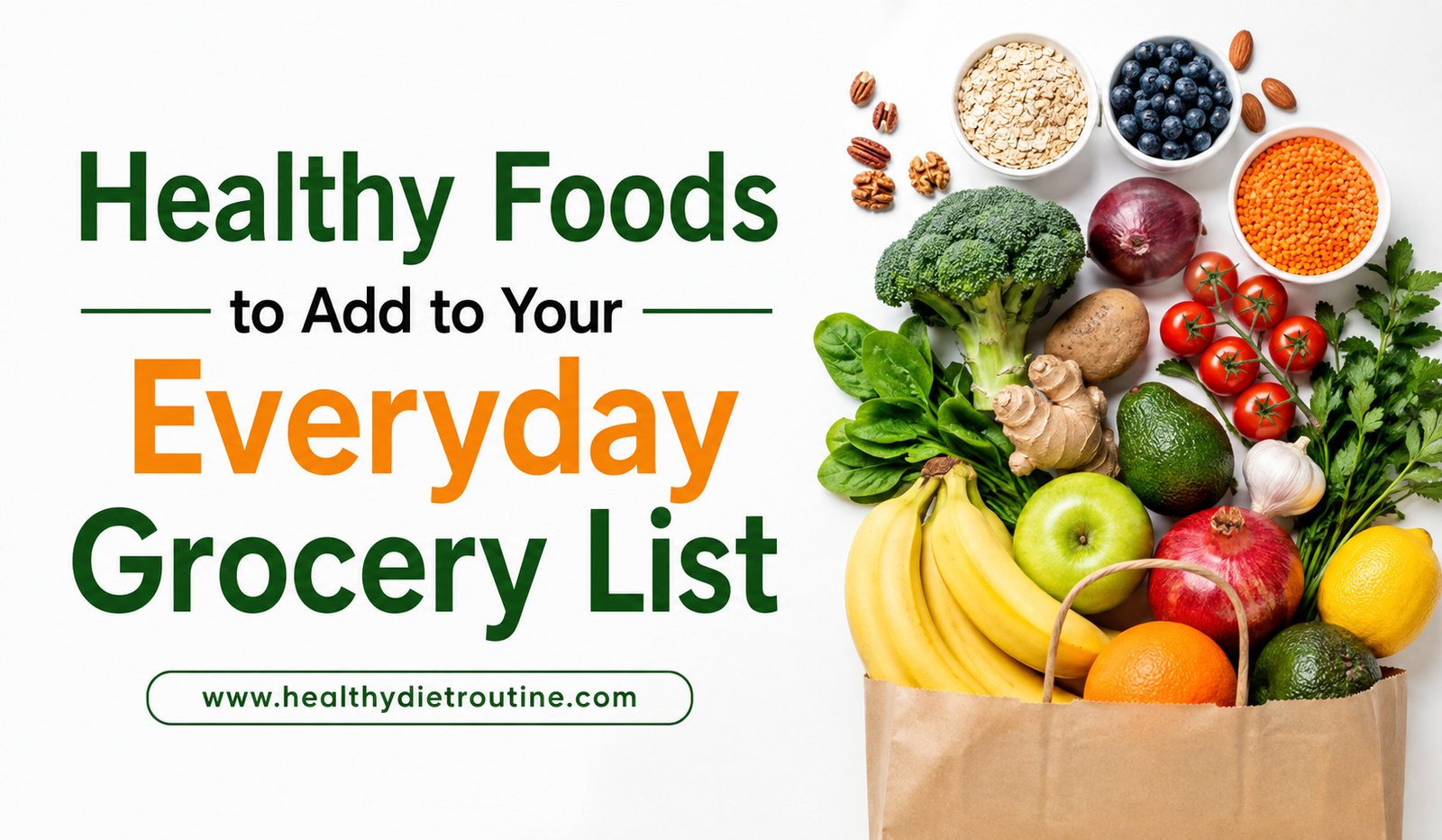
Eating healthy does not always require expensive superfoods, complicated recipes, or a strict diet plan. In many cases, better nutrition starts with something much simpler: what you put in your grocery cart. When your kitchen is stocked with nutritious, versatile ingredients, making healthier meals becomes easier throughout the week.
A well-planned grocery list can include foods that provide protein, fiber, healthy fats, vitamins, minerals, and other essential nutrients. The goal is not to eliminate every indulgence but to build everyday meals around foods that support energy, digestion, heart health, and overall well-being.
Here are some of the best healthy foods to consider adding to your regular grocery list.
1. Fresh Fruits
Fruits are one of the easiest ways to add natural sweetness and essential nutrients to your diet. They provide vitamins, minerals, antioxidants, water, and dietary fiber.
Keep a selection of seasonal fruits at home so you have convenient options for breakfast or snacks. Apples, bananas, oranges, guava, papaya, berries, pomegranate, watermelon, and pears can all fit into a balanced diet.
Instead of relying on packaged sweets when you want something sweet, try keeping washed and ready-to-eat fruit available. You can also add fruit to oatmeal, yogurt, smoothies, or homemade salads.
2. Green Leafy Vegetables
Leafy greens deserve a regular place on your grocery list because they are nutrient-dense and can be used in countless meals. Spinach, fenugreek leaves, coriander, lettuce, kale, and other greens can contribute vitamins, minerals, fiber, and plant compounds to your diet.
You do not need to prepare complicated salads to eat more greens. Add spinach to dal, mix vegetables into an omelet, use greens in sandwiches, or include them in soups and stir-fries.
Buying fresh greens regularly can make it easier to include vegetables in your everyday meals.
3. Protein-Rich Foods
Protein helps support muscles and contributes to keeping you satisfied after meals. Your grocery list can include a combination of plant and animal protein sources depending on your dietary preferences.
Eggs, milk, plain yogurt, paneer, fish, chicken, lentils, chickpeas, kidney beans, soy products, and other pulses can all be useful choices.
For vegetarian households, dals, beans, chickpeas, soy, paneer, and yogurt provide convenient ways to increase protein intake. If you eat meat or fish, choosing minimally processed options can help you build balanced meals.
4. Whole Grains
Replacing some refined grains with whole grains can be a simple improvement to everyday eating. Whole grains generally contain more fiber and nutrients than highly refined grain products.
Consider adding oats, brown rice, whole-wheat flour, millet, quinoa, barley, or other whole grains to your grocery list.
For an Indian household, options such as jowar, bajra, ragi, and whole-wheat atta can be incorporated into rotis, dosas, porridge, or other familiar dishes. You do not have to completely abandon white rice or other refined foods; simply creating more variety can make your overall diet more nutritious.
5. Nuts and Seeds
Nuts and seeds are small but nutrient-rich additions to a grocery list. Almonds, walnuts, peanuts, pistachios, sunflower seeds, pumpkin seeds, chia seeds, and flaxseeds provide healthy fats, protein, fiber, and various micronutrients.
Because they are energy-dense, portion size matters. A small handful can make a convenient snack or topping for oatmeal and yogurt.
Choose unsalted or minimally processed varieties when possible. Nuts can also be useful when you need a quick snack between meals and want an alternative to highly processed packaged foods.
6. Beans, Lentils, and Pulses
For affordable everyday nutrition, pulses are difficult to overlook. Lentils, chickpeas, kidney beans, black gram, green gram, and other legumes can provide protein and fiber while working well in a wide range of recipes.
Dal, rajma, chole, sprouts, and bean-based salads can become satisfying parts of lunch or dinner. Keeping several varieties in your pantry also makes meal planning easier because you can rotate ingredients throughout the week.
For many Indian households, pulses are already a traditional staple, making them an especially practical healthy grocery choice.
7. Plain Yogurt and Other Fermented Foods
Plain yogurt can be a versatile addition to the refrigerator. It provides protein and calcium and can be eaten with fruit, used in raita, added to meals, or incorporated into smoothies.
When purchasing packaged yogurt, check the nutrition label and consider choosing options without large amounts of added sugar.
Other fermented foods may also be included according to your preferences and availability. The key is to make nutritious foods part of your normal eating pattern rather than treating them as occasional health products.
8. Healthy Cooking Oils
Cooking oil is another grocery item worth choosing thoughtfully. Oils such as mustard, groundnut, sunflower, olive, or other commonly used vegetable oils can be part of a balanced diet.
The important point is that even healthier oils contain a significant amount of energy, so using reasonable quantities matters. Instead of focusing on finding one “perfect” cooking oil, pay attention to overall dietary variety and portion sizes.
It can also help to avoid repeatedly deep-frying foods and rely more often on methods such as sautéing, steaming, roasting, grilling, or baking.
9. Colorful Vegetables
Do not limit your vegetable shopping to one or two familiar choices. Try building a colorful selection that includes carrots, tomatoes, bell peppers, cauliflower, broccoli, beans, peas, cabbage, beetroot, pumpkin, and other seasonal vegetables.
Different vegetables provide different combinations of nutrients and plant compounds. Eating a variety of colors throughout the week can make meals both more nutritious and visually appealing.
A simple strategy is to buy vegetables for several different meals rather than purchasing a large quantity of just one type.
10. Avocados and Other Healthy-Fat Foods
Avocados can provide unsaturated fats and fiber, although they are not essential if they are expensive or difficult to find. Similar healthy-fat sources can come from nuts, seeds, certain fish, and plant oils.
The bigger principle is to include sources of unsaturated fats while keeping highly processed foods and excessive saturated fat in check.
You can add avocado to toast, salads, wraps, or homemade sandwiches. If it is not practical for your budget, there is no need to force it into your grocery routine.
11. Frozen Fruits and Vegetables
Fresh produce is excellent, but frozen fruits and vegetables can be incredibly convenient. They often require little preparation and can help reduce food waste.
Frozen peas, spinach, mixed vegetables, berries, and other produce can be kept available for days when you do not have time to shop or cook from scratch.
Frozen foods are not automatically less healthy. Check the packaging and favor products without excessive added salt, sugar, sauces, or unnecessary ingredients.
12. Water and Simple Beverages
Healthy grocery shopping is not only about food. What you drink matters too.
Water should be a regular part of your daily routine. Depending on your preferences, unsweetened tea, coffee, or other low-sugar beverages can also fit into a balanced lifestyle.
Reducing your dependence on sugary soft drinks, heavily sweetened juices, and other high-sugar beverages can be a practical way to reduce unnecessary sugar intake.
How to Build a Healthier Grocery List
A healthy grocery list does not need to be complicated. Start by dividing your shopping into a few basic categories: fruits, vegetables, protein sources, whole grains, healthy fats, and everyday staples.
Before shopping, think about the meals you are likely to prepare during the week. If you plan to make dal, vegetable curry, rice, roti, and yogurt-based meals, purchase ingredients that support those dishes instead of buying random products that may eventually go to waste.
It is also useful to keep healthier convenience foods available. Washed fruit, roasted chickpeas, plain yogurt, boiled eggs, frozen vegetables, and nuts can make better choices easier when you are busy.
Most importantly, healthy eating should be realistic. You do not need to buy every food on this list. Choose ingredients that suit your budget, culture, taste preferences, and lifestyle.
Final Thoughts
Creating a healthier diet can begin with a simple grocery-shopping habit. Fresh fruits and vegetables, whole grains, pulses, protein-rich foods, nuts, seeds, yogurt, and other minimally processed ingredients can form the foundation of nutritious everyday meals.
Rather than chasing the latest food trend, focus on variety, balance, moderation, and consistency. A grocery basket filled with practical, nutritious ingredients can make healthy eating much easier because the right choices are already available in your kitchen.
The best grocery list is not necessarily the most expensive one. It is the one that helps you prepare satisfying, balanced meals that you can enjoy and maintain over the long term.