
How Screen Time Can Affect Your Evening Routine
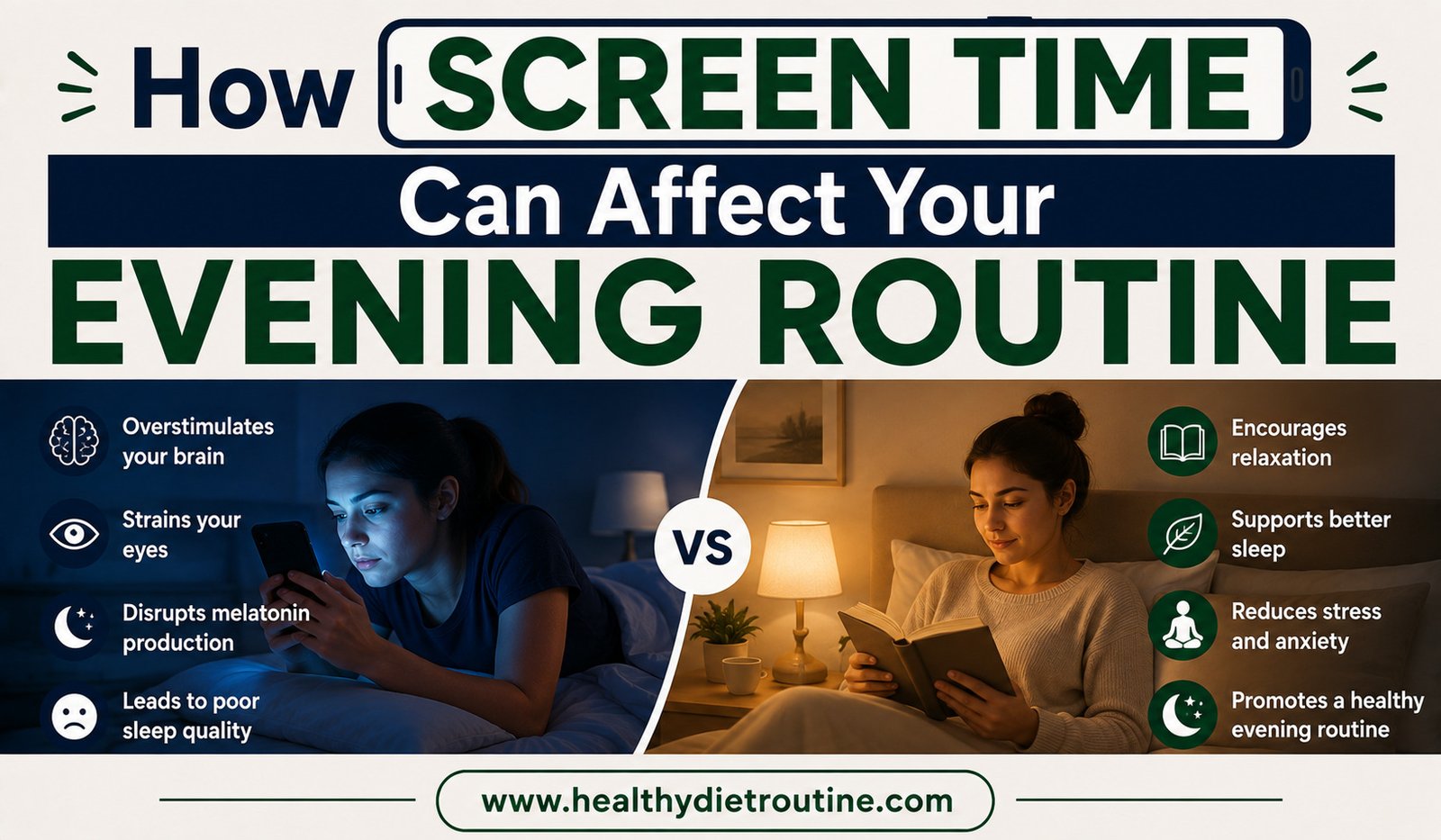
Screens have become a normal part of everyday life. After work, school, or a busy day, it is easy to relax by watching videos, scrolling through social media, checking messages, playing games, or browsing the internet. While these activities can be enjoyable, spending too much time on screens in the evening may affect how you wind down and prepare for sleep.
The issue is not that every minute of evening screen use is harmful. Instead, the timing, duration, content, and habits surrounding screen use can influence how relaxing your evening feels. Understanding these effects can help you create a healthier balance without giving up technology completely.
Why Screen Time Becomes a Problem in the Evening
Evening is usually the time when the body and mind begin transitioning from daytime activity toward rest. However, smartphones, computers, tablets, and televisions can keep your attention engaged.
A quick check of your phone can easily become an hour of scrolling. One episode of a show can turn into several. Messages and notifications may encourage you to remain mentally active when you were planning to relax.
This can gradually push important parts of your evening routine later, including dinner, personal care, reading, preparation for the next day, and bedtime.
Screen Use Can Delay Bedtime
One of the most noticeable effects of evening screen habits is simply spending more time awake.
You may intend to use your phone for ten minutes before bed but continue scrolling because there is always another video, post, message, or article to view.
This behavior can reduce the amount of time available for sleep. Even if you planned to go to bed at a certain time, an extended screen session can shift your entire schedule.
Creating a specific stopping point for entertainment can make it easier to protect your bedtime.
Screens Can Keep Your Mind Active
Not all screen activities are equally stimulating. Watching a calm program may feel different from playing an intense video game, responding to work messages, following breaking news, or engaging in an argument online.
Highly stimulating content can make it harder to mentally switch from activity to relaxation.
If you notice that certain types of content leave you feeling alert, excited, worried, or frustrated at night, consider moving those activities earlier in the day.
Your evening routine should gradually become calmer as bedtime approaches.
Bright Light Can Affect Your Sleep-Wake Rhythm
Electronic screens produce light, and many devices also expose users to relatively bright light at night. Light is one of the environmental signals involved in regulating the body’s sleep-wake rhythm.
Using bright screens close to bedtime may make it harder for some people to feel sleepy at their usual time.
This does not mean you need to eliminate every screen from your evening. Lowering screen brightness, using warmer display settings, reducing room lighting, and stepping away from screens before bed can be practical ways to create a smoother transition toward sleep.
Notifications Can Interrupt Your Evening
Notifications can keep your attention tied to your phone even when you are trying to relax.
A message may encourage you to respond immediately. A social media notification can lead to another round of scrolling. Work emails can remind you about unfinished tasks.
Consider turning off non-essential notifications during your evening. You can also use your phone’s “Do Not Disturb” or similar settings to reduce interruptions.
Important contacts can usually be allowed through if necessary, while less urgent notifications can wait until the next day.
Screen Time Can Replace Relaxing Activities
Another problem is what screen time takes away from your routine.
If you spend the entire evening watching videos or scrolling, you may have less time for activities that help you relax, such as reading, talking with family, preparing for tomorrow, taking a gentle walk, listening to music, or practicing a calming hobby.
The goal is not necessarily to remove entertainment. Instead, try creating a better balance between digital activities and offline time.
Late-Night Social Media Can Affect Your Mood
Social media can be particularly difficult to manage in the evening because it provides a continuous stream of new content.
Comparing yourself with other people, reading negative comments, following stressful news, or simply consuming too much information can leave your mind busy.
If social media tends to make you feel stressed or restless before bed, consider setting a personal cutoff time.
You might also unfollow accounts that consistently create unnecessary stress and focus on content that is genuinely useful or enjoyable.
Work Screens Can Make It Harder to Switch Off
For people who work or study on computers, screen exposure may continue well into the evening.
Checking emails from bed or completing work tasks immediately before sleeping can blur the boundary between work time and personal time.
When possible, create a clear stopping point for work. Shut down your computer, put away work materials, and transition into a different activity.
Even a short gap between work and bedtime can help create a stronger sense that the working day is finished.
Create a Screen-Free Wind-Down Period
You do not have to eliminate screens for the entire evening. Instead, consider creating a short screen-free period before bedtime.
The length can depend on your schedule. Even 20 to 30 minutes without a phone, computer, or television may provide an opportunity to slow down.
Use this time for simple activities such as reading a physical book, stretching gently, preparing clothes for the next day, organizing your room, or listening to quiet music.
The purpose is to create a predictable transition toward sleep.
Keep Your Phone Away From the Bed
Many people keep their smartphones beside their pillow, making it easy to check messages or social media whenever they wake up or feel bored.
If possible, place your phone farther away from your bed. This creates a small physical barrier between you and late-night scrolling.
If you use your phone as an alarm, consider placing it across the room so that you need to get up to turn it off.
You can also use a traditional alarm clock if that makes it easier to keep your phone away from your sleeping area.
Replace Screen Habits With Simple Alternatives
Changing a habit is easier when you have something else to do.
Instead of automatically reaching for your phone, prepare a few alternatives. You could read a book, write in a journal, stretch, prepare your belongings for tomorrow, talk with someone at home, listen to relaxing audio, or simply sit quietly for a few minutes.
The alternative does not have to be highly productive. The purpose is to give your brain a break from constant digital stimulation.
Avoid Making Your Evening Routine Too Strict
A healthy evening routine should be realistic.
You may not always be able to avoid screens. Work responsibilities, family communication, entertainment, and other activities can require technology.
Rather than aiming for a perfect screen-free evening, focus on reducing unnecessary use.
For example, you might decide that social media stops at a certain time while allowing yourself to watch a planned television program afterward.
Small, sustainable changes are usually easier to maintain than strict rules that make your routine inconvenient.
Try a Simple Evening Screen Plan
A practical evening routine might involve finishing work or study first, followed by dinner and some personal time.
After entertainment or necessary screen use, set aside a short period without devices. Dim the lights, prepare for bed, and choose a relaxing activity.
As bedtime approaches, keep your phone away from the bed and avoid returning to stimulating content.
The exact schedule does not matter as much as creating a predictable pattern that works for you.
What About Watching Television Before Bed?
Television is still a screen, but the effect can depend on what you watch, how long you watch, and how close viewing is to bedtime.
A calm, planned program may be less disruptive to your routine than endlessly scrolling through short-form content or consuming stressful material.
If television helps you relax, consider setting a stopping time and avoiding content that leaves you overly excited or worried.
The important thing is to prevent entertainment from regularly pushing your bedtime later.
Give Yourself Time to Adjust
If you are accustomed to using your phone until the moment you fall asleep, changing the habit may take time.
Start with one simple adjustment. You could stop checking social media after a certain hour or keep your phone away from your bed.
Once that becomes comfortable, introduce another change.
Over time, your evening routine can become less dependent on screens without requiring you to give up technology completely.
Final Thoughts
Screen time can affect your evening routine in several ways. It can delay bedtime, keep your mind stimulated, interrupt relaxation, expose you to bright light, and replace activities that help you prepare for sleep.
However, technology does not need to disappear from your evening. The goal is to use it intentionally rather than automatically.
Set reasonable limits, reduce unnecessary notifications, choose calmer content, create a screen-free wind-down period, and keep your phone away from your bed when possible.
A few simple changes can make your evening feel less rushed and more relaxing. By creating a clear transition between daytime activities and nighttime rest, you can build an evening routine that gives your mind and body more opportunity to slow down.