
Easy Recovery Habits After a Busy Workout Day
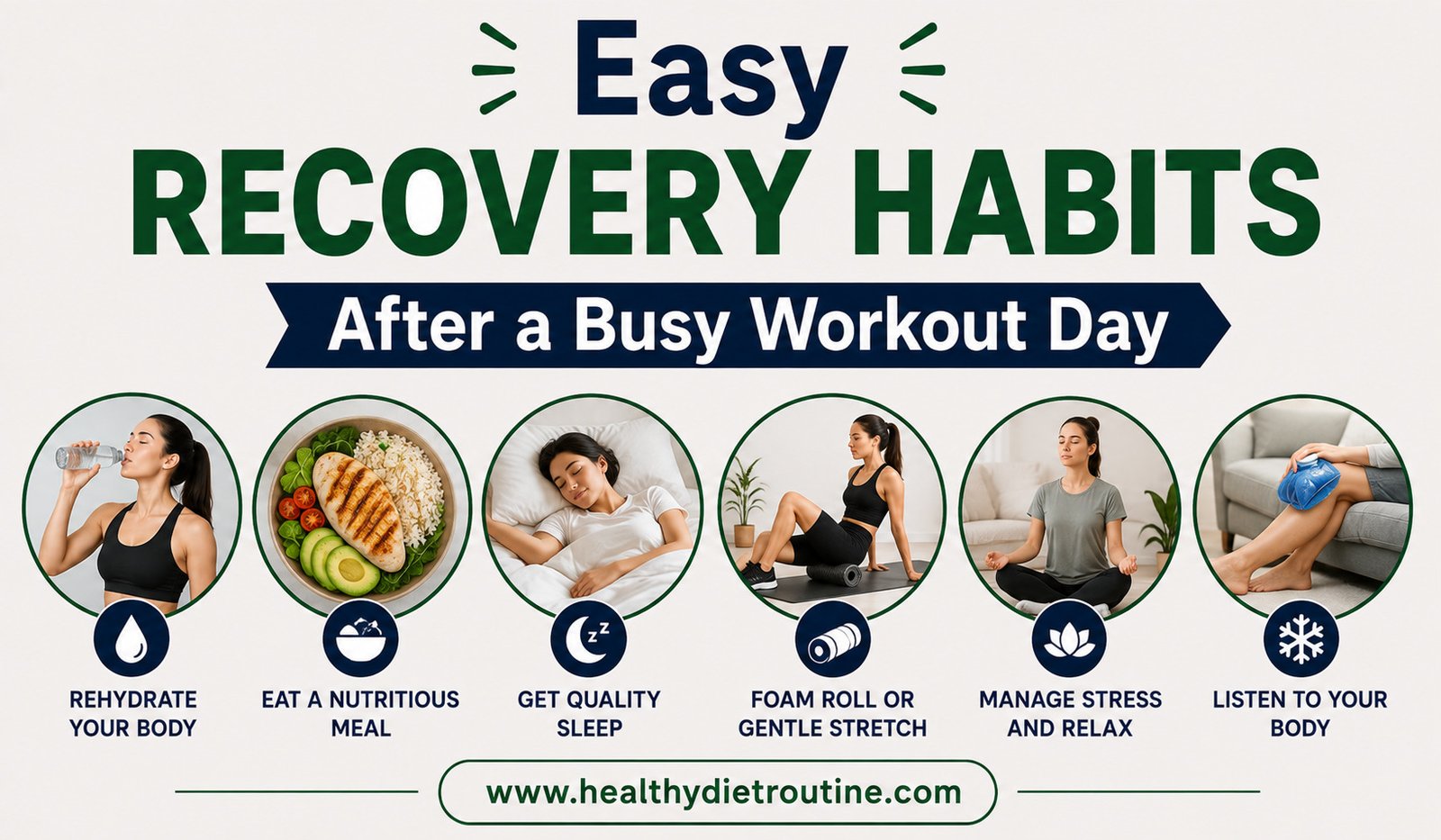
A busy workout day can leave you feeling accomplished, but your routine should not end when the exercise session is over. Recovery is an important part of staying active because your body needs time to rest and adapt after physical activity.
You do not need an expensive recovery routine or complicated techniques to support your body after a demanding day. Simple habits such as cooling down, drinking enough fluids, eating balanced meals, getting adequate sleep, and allowing time for rest can make recovery easier.
Whether you exercise at home, visit a gym, play sports, or combine workouts with a busy daily schedule, these simple recovery habits can help you feel more comfortable and prepared for your next active day.
1. Take Time to Cool Down
One of the easiest recovery habits is to avoid stopping suddenly after intense exercise. Spend a few minutes gradually reducing your activity level.
For example, after a faster workout, you can slow down to an easy walk. If you have completed a strength session, gentle movements can help you transition from exercise to normal activity.
A cool-down does not need to be long. The purpose is simply to give yourself a gradual transition rather than immediately moving from intense exercise to complete rest.
2. Drink Enough Fluids
Exercise can cause fluid loss through sweating, particularly during longer workouts or in warm environments. Replacing fluids after exercise is an important part of recovery.
Keep a water bottle nearby and drink according to your thirst and activity level. If you have exercised heavily or spent a long time sweating, your fluid needs may be greater.
Instead of waiting until you feel extremely thirsty, make hydration part of your normal daily routine.
Your needs can vary depending on factors such as weather, workout intensity, duration, and individual circumstances.
3. Eat a Balanced Post-Workout Meal
Food provides the energy and nutrients your body needs after physical activity. A balanced meal after a workout can include a combination of protein, carbohydrates, vegetables or fruit, and healthy fats.
Protein is commonly included in recovery meals because it provides amino acids needed by the body. Carbohydrates can help replenish energy stores, particularly after demanding exercise.
You do not necessarily need a special recovery product. Everyday foods can form the foundation of a nutritious post-workout meal.
For example, a meal might include rice or whole grains, vegetables, and a protein source such as eggs, beans, lentils, dairy, fish, or another suitable option.
4. Get Enough Sleep
Sleep is one of the most important recovery habits, yet it is often overlooked.
Your body carries out many important processes during sleep, making adequate rest valuable when you exercise regularly.
Try to maintain a consistent sleep schedule and create a comfortable sleeping environment. Avoid treating sleep as something you can regularly sacrifice to fit more workouts into your day.
If you have had an especially demanding workout day, giving yourself enough time to sleep can be more beneficial than adding another unnecessary training session.
5. Try Gentle Movement
Rest does not always mean complete inactivity. Gentle movement on a recovery day can help you stay comfortable without adding significant training stress.
A relaxed walk, easy cycling, gentle mobility exercises, or light stretching may be suitable depending on how you feel.
The goal is not to turn recovery into another intense workout. Keep the activity easy and stop if a movement causes pain or discomfort.
6. Stretch Without Forcing It
Gentle stretching can be a relaxing part of your post-workout routine. Focus on comfortable movements rather than trying to push yourself into extreme positions.
Hold stretches in a controlled manner and avoid bouncing or forcing a joint beyond a comfortable range.
Stretching is not a requirement after every workout, but some people find it useful as part of a relaxing cooldown routine.
7. Take a Warm Shower
A warm shower can be a simple way to transition from exercise to relaxation.
It can help you feel refreshed after sweating and may become a useful signal that your workout is finished.
You do not need special recovery products or elaborate routines. Sometimes a shower, clean clothes, water, and a nutritious meal are all you need to move comfortably into the rest of your day.
8. Change Out of Sweaty Clothes
Staying in sweaty workout clothing for a long time can feel uncomfortable. Changing into clean, dry clothes after exercise is a simple habit that can make you feel fresher.
If you cannot shower immediately, at least change out of damp clothing when practical.
Keep a clean change of clothes in your gym bag if you regularly exercise away from home.
9. Give Your Muscles Time to Recover
One of the most common workout mistakes is assuming that more exercise is always better.
Your body needs recovery time between demanding sessions. Repeatedly training the same muscles without adequate rest can contribute to excessive fatigue and make it harder to maintain good exercise technique.
Plan your workouts so that demanding sessions are balanced with easier activities or rest periods.
Recovery needs vary depending on the type and intensity of exercise, your fitness level, and your overall lifestyle.
10. Pay Attention to Muscle Soreness
Some muscle soreness can occur after unfamiliar or challenging exercise. However, you should not assume that severe soreness is something you always need to push through.
If you are very sore, consider reducing workout intensity and choosing gentle movement instead of another demanding session.
Sharp, severe, persistent, or unusual pain should not be treated as ordinary workout soreness. If you are concerned about pain or an injury, seek appropriate professional advice.
Learning to recognize the difference between normal post-exercise fatigue and potential injury is an important part of responsible training.
11. Relax Your Mind as Well as Your Body
Recovery is not only physical. A busy day filled with exercise, work, study, and other responsibilities can leave you mentally tired too.
Give yourself some quiet time after your workout. Reading, listening to calm music, taking a relaxed walk, practicing breathing exercises, or simply sitting without distractions can help you transition into rest.
You do not need to make recovery another task on your schedule. Even a few minutes of relaxation can help create a better balance between activity and rest.
12. Prepare for Your Next Workout
Good recovery also includes preparing for the next day.
Check your workout schedule, wash your exercise clothes, refill your water bottle, and organize anything you will need.
If you know that the following day will be busy, preparing your gym bag or workout clothes in advance can make it easier to stay consistent.
Planning ahead reduces the amount of effort required to start your next workout.
13. Avoid Turning Every Day Into a Hard Training Day
A sustainable workout routine includes different levels of activity.
You might have a challenging strength session one day, followed by a lighter walking or mobility session the next. Another day could be dedicated to complete rest.
This approach allows you to remain active without constantly placing your body under high training stress.
You do not have to exercise at maximum intensity to make progress. Consistent training combined with appropriate recovery is generally more sustainable than repeatedly pushing yourself to exhaustion.
14. Keep Your Recovery Routine Simple
One reason people overlook recovery is that they believe it requires complicated techniques, expensive equipment, or specialized treatments.
In reality, the basics matter most. Regular sleep, balanced nutrition, hydration, manageable training, and rest provide a strong foundation.
Massage tools, foam rollers, recovery gadgets, and other products may be useful for some people, but they should not replace basic healthy habits.
Start with simple practices that fit naturally into your lifestyle.
Build a Simple Evening Recovery Routine
After a particularly busy workout day, you can create a simple routine that takes only a short amount of time.
Start by cooling down and drinking water. Take a shower and change into comfortable clothing. Eat a balanced meal, prepare your gym bag for the next day, and give yourself enough time to relax before bed.
The routine does not need to be perfect. Its purpose is to help you move smoothly from a demanding day toward rest.
Final Thoughts
Recovery is an important part of any sustainable exercise routine. After a busy workout day, you do not need to spend hours using complicated recovery techniques.
Focus on the basics: cool down gradually, stay hydrated, eat balanced meals, get enough sleep, use gentle movement when appropriate, and give your body enough time between demanding workouts.
Most importantly, listen to your body. Fitness progress is not created by exercise alone. Training and recovery work together. By making simple recovery habits part of your daily routine, you can support your ability to stay active, feel better, and approach your next workout with more energy.