
What to Keep in Your Gym Bag for Everyday Workouts
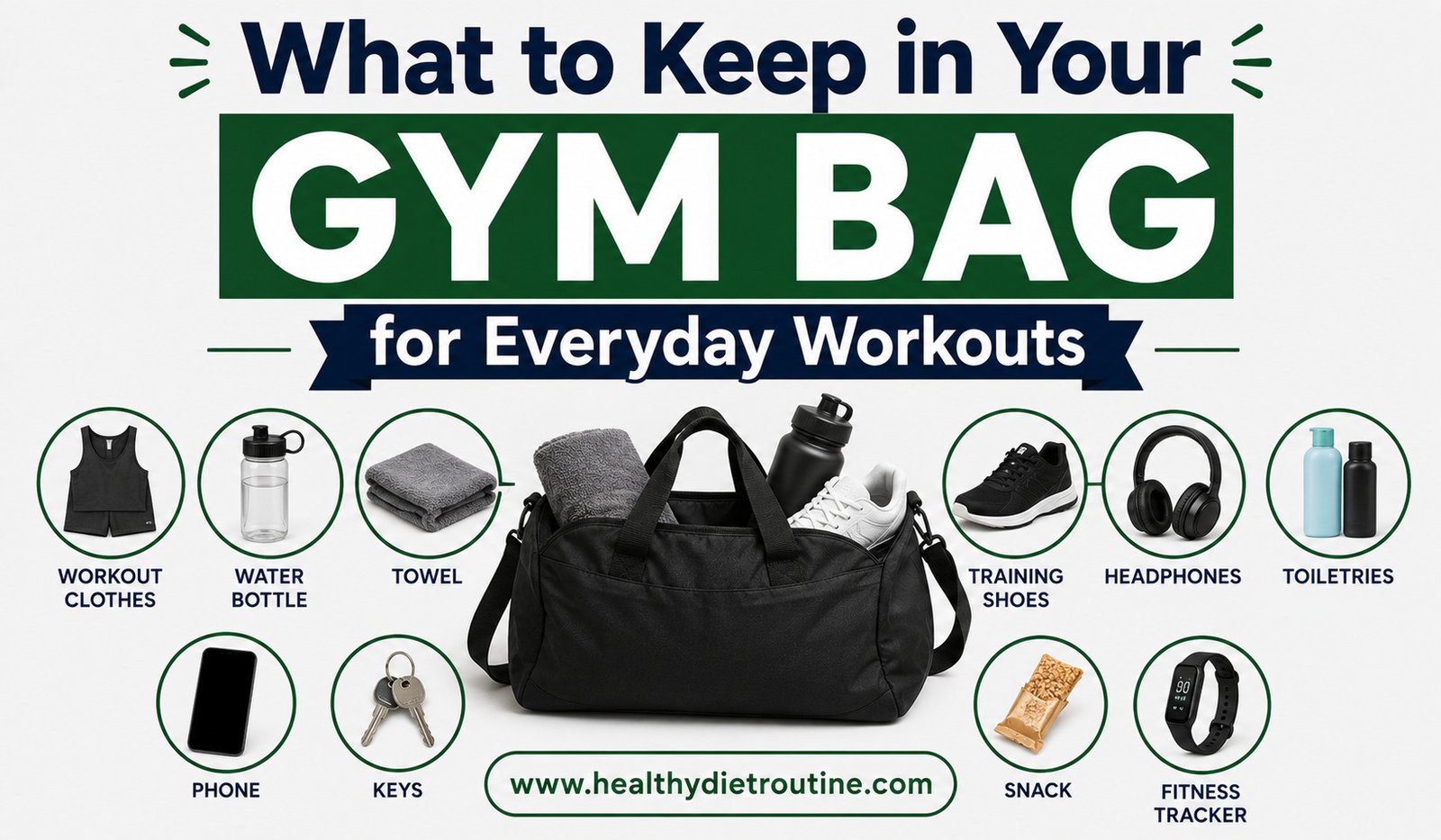
A well-packed gym bag can make your workout routine much easier. Whether you exercise at a commercial gym, attend fitness classes, train outdoors, or follow a workout plan away from home, having the right essentials ready can save time and prevent last-minute problems.
You do not need to carry your entire home with you. A practical gym bag should contain the items you actually use before, during, and after exercise. Keeping it organized also makes it easier to grab your bag and head out for a workout without searching for everything at the last minute.
Here are the most useful things to keep in your gym bag for everyday workouts.
1. Comfortable Workout Clothes
Workout clothing is one of the most important things to pack if you are exercising away from home. Choose comfortable clothes that allow you to move freely and suit the type of exercise you plan to do.
A basic set might include a T-shirt or workout top, shorts or comfortable trousers, underwear, and socks. If you travel to the gym directly from work or another activity, keeping a complete change of clothes in your bag can be especially useful.
Choose breathable fabrics that feel comfortable during movement. You do not necessarily need expensive sportswear. Comfort and freedom of movement are usually more important than brand names.
2. Proper Workout Shoes
The right footwear can make your workout more comfortable and provide appropriate support for the activity.
If you participate in different types of exercise, you may need different shoes depending on what you are doing. Walking, running, weight training, and court sports can have different footwear requirements.
Keep your gym shoes in a separate shoe compartment or a reusable shoe bag. This helps prevent dirt from getting onto your clean clothes and other belongings.
If you commute in your everyday shoes, carrying a dedicated pair of workout shoes can also make changing more convenient.
3. Water Bottle
Staying hydrated is an important part of exercising, especially during longer or more intense workouts and in hot conditions.
A reusable water bottle is one of the simplest items to keep in your gym bag. Choose a leak-resistant bottle that is easy to carry and clean.
Having your own bottle also means you do not have to depend on disposable plastic bottles every time you exercise.
Remember to clean the bottle regularly, particularly if you use it every day.
4. Small Workout Towel
A small towel can be useful for wiping sweat during exercise or drying off afterward.
Choose a lightweight towel that does not take up much room. After your workout, avoid leaving a damp towel inside your closed gym bag for long periods.
Wash it regularly and allow it to dry properly before packing it again.
A separate towel can also be useful if your gym provides showers or requires members to bring their own towel.
5. Personal Hygiene Essentials
If you shower at the gym or go directly somewhere else after exercising, a few basic hygiene products can make your routine much easier.
Depending on your needs, you might carry travel-sized soap or body wash, shampoo, deodorant, a comb, tissues, and other personal-care items.
Keep liquids in a small waterproof pouch to reduce the risk of leaks inside your gym bag.
You do not need to carry full-sized bottles. Travel-sized containers can save space and keep the bag lighter.
6. Small Snack
If you exercise around a busy schedule, keeping a suitable snack in your bag can be convenient.
Depending on your dietary needs and workout timing, options such as fruit, nuts, yogurt, or a simple homemade snack may work well.
Choose foods that can be stored safely and will not easily spill inside your bag. If something needs refrigeration, avoid leaving it in a gym bag for extended periods.
A snack is not essential for every workout, but it can be useful when you need something to eat after exercising and will not have access to a meal immediately.
7. Headphones or Earbuds
Music can make workouts more enjoyable for many people. A pair of headphones or earbuds can be useful if you like listening to music, podcasts, or other audio while exercising.
Keep them in a small protective case to prevent damage and tangled cables.
If you use wireless earbuds, remember to charge them regularly. There is nothing more frustrating than arriving at the gym only to discover that your headphones have no battery.
Always follow gym rules regarding headphones and stay aware of your surroundings, particularly when using equipment or exercising in busy areas.
8. Small Lock
If your gym provides lockers but does not provide locks, carrying a small personal lock can be useful.
Choose a lock that is appropriate for the locker and keep it in a consistent compartment of your gym bag.
If your gym uses digital lockers or another security system, you may not need one. Check the facility’s rules before buying anything.
9. Exercise Accessories
The accessories you need will depend on your workout routine.
Some people may benefit from carrying resistance bands, lifting straps, a skipping rope, or other compact fitness accessories.
Avoid packing equipment simply because you think you might use it someday. Extra items can quickly turn a lightweight gym bag into an uncomfortable load.
Choose accessories that you regularly use and that are permitted at your gym or fitness facility.
10. Phone and Charger
Your phone can be useful for tracking workouts, playing music, checking exercise instructions, communicating with others, or using fitness apps.
If you spend long periods away from home, a small charging cable or portable power bank may be useful.
However, try not to let your phone become a major distraction during workouts. Use it for practical purposes and return your attention to your exercise when possible.
11. Small First-Aid Items
A few basic first-aid supplies can be useful in an everyday gym bag. Adhesive bandages, for example, take up very little space and may come in handy for minor cuts or blisters.
You do not need to carry a full medical kit unless there is a specific reason to do so.
If you regularly use personal medication or other essential health items, follow your usual storage and carrying instructions.
12. Extra Socks and Underwear
An extra pair of socks and underwear may seem unnecessary until you actually need them.
If your workout becomes particularly sweaty or you are unexpectedly delayed, having a fresh pair can make you feel much more comfortable.
These items take up very little room, so they can be kept in a small compartment of your bag.
13. Plastic or Reusable Laundry Bag
A separate laundry bag can help keep sweaty clothes away from clean items.
After exercising, place used clothing inside the bag instead of leaving it loose in your gym bag. This helps keep the rest of your belongings cleaner.
Remember to remove the used clothes when you get home rather than leaving them in the bag until your next workout.
14. Small Personal Essentials
Your gym bag should also have space for everyday items you may need.
Depending on your routine, these could include your wallet, keys, access card, identification, hair ties, tissues, or a small amount of cash.
Keep important items in a secure zippered compartment. Avoid carrying unnecessary valuables that could be lost or damaged.
How to Keep Your Gym Bag Organized
Packing the right items is only half the job. Organization makes your gym bag much more practical.
Use separate pouches for hygiene products, electronics, and small accessories. Keep your water bottle upright in a designated bottle pocket if your bag has one.
At the end of each workout, take a few minutes to remove dirty clothes, used towels, food wrappers, and empty containers. Refill your water bottle, recharge electronics, and replace anything you used.
Once this becomes a habit, your gym bag will always be ready for the next workout.
Avoid Overpacking Your Gym Bag
It is easy to add more and more items until your gym bag becomes heavy and uncomfortable.
Before adding something, ask yourself whether you use it regularly. If the answer is no, it may be better to leave it at home.
A simple everyday gym bag might contain workout clothes, shoes, a water bottle, towel, hygiene essentials, headphones, and any exercise accessories you genuinely need.
Your requirements may change depending on whether you work out before work, after work, outdoors, or at a fitness center.
Final Thoughts
A good gym bag does not need to be complicated. The goal is to carry enough essentials to make your workout convenient while avoiding unnecessary clutter.
Prioritize comfortable workout clothes, suitable shoes, hydration, a towel, basic hygiene products, and any equipment you regularly use. Add personal items according to your schedule and keep everything organized in separate compartments or pouches.
Once you create a simple packing routine, preparing for everyday workouts becomes much easier. A ready-to-go gym bag can remove one more barrier between you and your exercise routine, helping you stay consistent and make physical activity a regular part of your day.