
Best Electric Heating Pads for Home Use
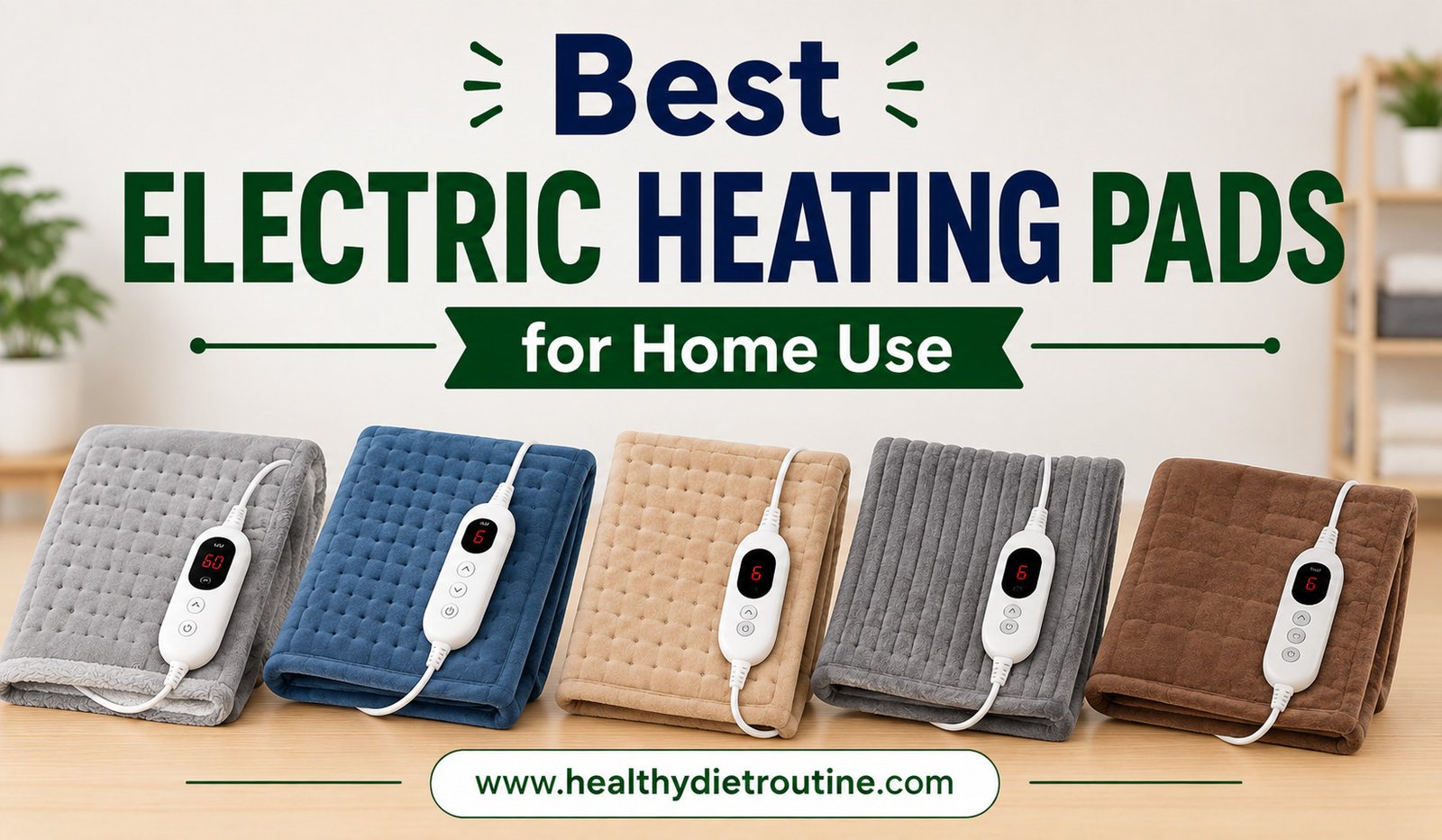
Electric heating pads have become a convenient option for people who want soothing heat at home. Whether you are dealing with occasional muscle tightness, mild back discomfort, menstrual cramps, or stiffness after a long day, a heating pad can provide targeted warmth without requiring hot-water bottles or repeated reheating.
Modern electric heating pads come in different sizes and designs, including flexible body pads, back wraps, neck-and-shoulder models, and larger full-body options. Many include adjustable temperature settings, automatic shut-off timers, washable covers, and fast heating.
However, choosing the best electric heating pad for home use is not only about finding the hottest or most feature-packed model. Temperature control, comfortable materials, automatic shut-off, safe construction, and correct usage are much more important.
Powered heating pads are regulated as medical devices in the United States, and the FDA identifies them as Class II devices.
What Is an Electric Heating Pad?
An electric heating pad is a powered device designed to provide controlled dry heat to a selected area of the body. It normally contains electrical heating elements inside a flexible fabric or padded covering.
Most models connect to a wall outlet through a power cord and controller. The controller allows the user to select a temperature or heat level. Some newer models use rechargeable batteries, although corded designs remain common for home use.
Heating pads are available in several shapes. A rectangular pad can be useful for the back, abdomen, or legs, while specially shaped wraps can fit around the shoulders, neck, or waist.
Why Use a Heating Pad at Home?
Heat is commonly used as part of self-care for temporary relief from muscle discomfort and stiffness. The warmth can feel relaxing and may make tight muscles feel more comfortable.
A heating pad can also be convenient because it provides continuous warmth without needing to refill or reheat a hot-water bottle.
However, heat is not appropriate for every type of pain. If discomfort is severe, unexplained, associated with an injury, or getting worse, a healthcare professional should assess the underlying cause instead of relying on heat alone.
What Makes the Best Electric Heating Pad?
1. Adjustable Temperature Settings
A good heating pad should offer multiple temperature levels rather than a single heat setting.
Different people have different heat preferences, and the same person may want different temperatures depending on the body area being treated.
More temperature settings give you greater control, but the highest setting is not necessarily the most effective. Heat should feel comfortably warm rather than painfully hot.
2. Automatic Shut-Off
An automatic shut-off timer is one of the most valuable safety features to look for.
It can reduce the risk of prolonged heating if you become distracted or forget to turn the device off. Some models offer several timer options, allowing you to select an appropriate session length.
Do not assume that an automatic shut-off makes it safe to sleep with a heating pad. Follow the manufacturer’s instructions regarding sleeping and unattended use.
3. Soft and Comfortable Material
A heating pad should feel comfortable against the body. Soft fabric can make a noticeable difference, especially when the pad is being used for longer periods.
Some models include removable covers that can be washed separately. This is useful because the pad may come into contact with skin regularly.
Check the manufacturer’s cleaning instructions carefully. Electrical components should not be exposed to water unless the product is specifically designed for washing.
4. Appropriate Size
Size matters because different body areas require different coverage.
A compact heating pad can be convenient for the abdomen or smaller areas, while a larger pad may be better for the back or thighs.
Neck-and-shoulder heating pads are shaped differently from traditional rectangular models and may stay in place more easily when sitting.
Choose the size according to where you expect to use the pad rather than automatically selecting the largest model.
5. Easy-to-Use Controller
The controller should make it simple to change temperature and timer settings.
Large buttons and a clear display can be particularly helpful for older adults. A controller with straightforward settings is generally preferable to a complicated interface with features you are unlikely to use.
Different Types of Electric Heating Pads
Standard Rectangular Heating Pads
These are among the most versatile designs. They can be placed over areas such as the back, abdomen, legs, or shoulders.
They are a good choice if you want one heating pad for several different uses.
Neck and Shoulder Heating Pads
These models are shaped to sit around the neck and shoulders. Some include weighted sections or fastening systems to help keep the pad positioned correctly.
They can be convenient for people who experience occasional stiffness after working at a desk or spending a long time looking at screens.
Large Heating Pads
Large pads provide greater coverage and may be useful for the back, hips, or legs.
However, larger does not automatically mean better. Make sure the device remains comfortable and that the manufacturer’s instructions allow use over the intended area.
Heating Wraps
Wrap-style products are designed to stay around a particular body area. They can provide greater convenience because the user may not need to hold the pad in place.
Some are designed for the lower back, abdomen, shoulders, or other specific areas.
Safety Should Come Before Heat
Electric heating pads can cause burns if used incorrectly. This is an important consideration when choosing and using one.
The FDA’s guidance for powered heating pads includes warnings about serious burns, sensitive skin, poor circulation, and unattended use.
Recent FDA reports also demonstrate that heating-pad injuries can occur in real-world use. In March 2026, the FDA classified a recall involving a neck-and-shoulder heating pad as a Class I recall after reports of serious injuries associated with overheating when the pad was folded.
This highlights why the design and instructions of a heating pad matter.
Never Fold or Crush a Heating Pad While It Is On
One of the most important safety rules is to avoid folding, crushing, sitting on, or trapping a heating pad while it is operating unless the manufacturer specifically designs the product for that use.
Folding can concentrate heat in a smaller area. The FDA reported that this was a factor in a 2026 heating-pad recall involving excessive temperatures, burns, and potential property damage.
Similarly, do not place a heating pad underneath your body or trap it between your body and another surface unless the manufacturer’s instructions explicitly permit that use.
Should You Sleep With an Electric Heating Pad?
In general, you should not sleep with a standard electric heating pad unless the specific product is designed and labeled for that purpose.
Users may fail to notice excessive heat while asleep, increasing the risk of burns. FDA adverse-event reports have included injuries associated with improper use while sleeping and failure to monitor the skin.
An automatic shut-off timer is helpful, but it should not be considered permission to ignore the manufacturer’s safety instructions.
How to Use a Heating Pad Safely
Before using an electric heating pad, inspect the pad, cable, plug, and controller for signs of damage. Do not use a damaged product.
Place the pad according to the manufacturer’s instructions and choose a comfortable heat level. Check the skin regularly during use.
Avoid placing the pad directly against areas of reduced sensation or poor circulation. FDA guidance specifically warns that heating devices can cause serious burns when used over sensitive skin or in the presence of poor circulation.
If you experience burning, excessive heat, pain, unusual redness, blistering, or skin discoloration, stop using the pad.
Who Should Be Especially Careful?
Some people may have a higher risk of heat-related skin injury.
Extra caution is appropriate for people with reduced skin sensation, circulation problems, or conditions that make it difficult to recognize excessive heat.
Children and people who cannot independently understand or follow safety instructions should not use a heating pad without appropriate supervision. The FDA specifically highlights the risks of unattended use by children or incapacitated people.
If you have a medical condition that affects circulation or sensation, ask your healthcare professional whether heat therapy is appropriate.
Electric Heating Pad vs Hot-Water Bottle
Both products provide warmth, but they work differently.
An electric heating pad provides continuous, adjustable heat as long as it is connected to power. It does not require hot water and can cover a larger area depending on its design.
A hot-water bottle does not require electricity, which can make it convenient in some situations. However, it also carries a risk of burns if the water is too hot or the bottle leaks.
An electric heating pad can be more convenient for regular home use, particularly when temperature adjustment and automatic shut-off are available.
What Features Are Worth Paying For?
You do not necessarily need the most expensive heating pad. Focus on features that improve safety and everyday convenience.
Useful features include:
- Multiple heat settings
- Automatic shut-off timer
- Soft, comfortable cover
- Suitable size for your intended body area
- Easy-to-use controller
- Removable washable cover, where available
- Flexible construction
- Clear safety instructions
- Reliable warranty and customer support
- Appropriate regulatory compliance for your market
A simple, well-designed heating pad with good safety controls can be a better choice than a premium model with unnecessary features.
How to Maintain an Electric Heating Pad
Proper maintenance can help keep the device in good condition.
Store the heating pad flat or according to the manufacturer’s recommended storage method. Avoid creating sharp folds that could damage internal heating elements.
Inspect the cord and controller regularly. If you notice exposed wires, damaged insulation, unusual smells, sparks, overheating, or other signs of deterioration, stop using the device.
The FDA has documented adverse events involving heating pads where damaged or improperly used products contributed to burns or property damage.
Always follow the manufacturer’s cleaning and storage instructions.
When Should You Avoid Heat?
Heat is not appropriate for every injury or medical problem. For example, if you have a new injury with significant swelling, applying heat may not always be appropriate.
If you are unsure whether heat therapy is suitable for your symptoms, ask a healthcare professional.
Most importantly, do not use a heating pad to mask severe or unexplained pain without finding out what is causing it.
Final Thoughts
The best electric heating pads for home use combine adjustable heat, comfortable materials, suitable coverage, simple controls, and important safety features such as automatic shut-off.
Safety should be a major part of your buying decision. Heating pads can cause burns, particularly when used for too long, placed against insensitive skin, folded, crushed, or used while sleeping. The FDA has reported serious injuries associated with improper heating-pad use and has issued recent recalls involving overheating risks.
Choose a heating pad that fits the body area you want to treat, offers manageable temperature settings, and comes with clear instructions. Use it exactly as directed, check your skin regularly, and never ignore unusual heat, pain, or skin changes.
Used responsibly, an electric heating pad can be a convenient addition to a home wellness routine for temporary soothing warmth and comfort.