
Best Humidifiers for Bedrooms in India
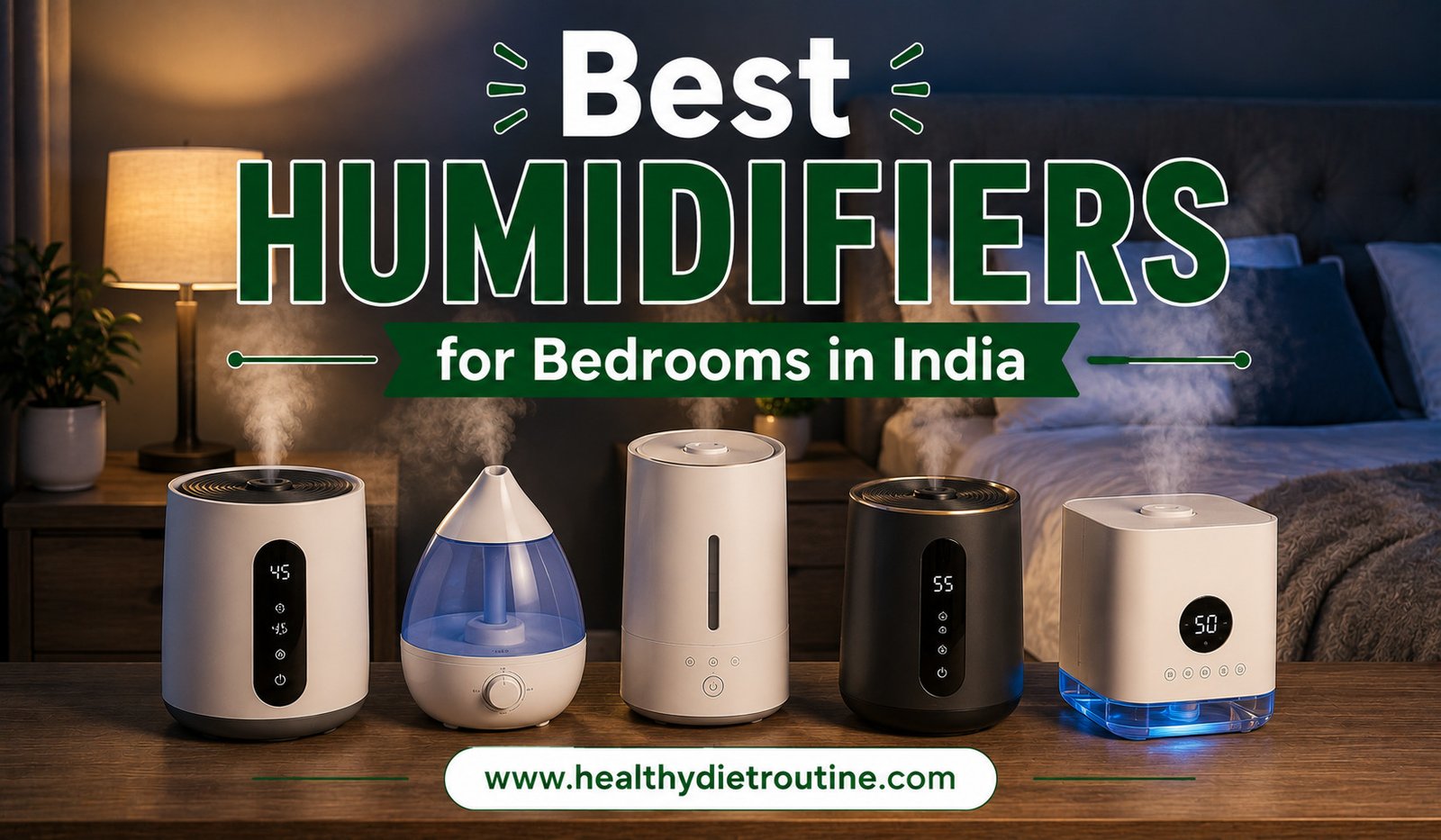
Maintaining comfortable indoor air can be challenging throughout the year in India. Hot weather, air conditioning, dry indoor environments, and seasonal changes can all affect the moisture level inside a bedroom. When indoor air becomes too dry, some people may experience dry skin, dry lips, an irritated nose or throat, or general discomfort.
A humidifier for the bedroom can add moisture to the air and make the room feel more comfortable when humidity is low. Modern humidifiers are available in compact, ultrasonic, evaporative, and warm-mist designs, with features such as adjustable mist output, timers, humidity sensors, and automatic shut-off.
However, a humidifier is not something that should run continuously without monitoring. Excess humidity can encourage mold and other biological growth. The U.S. Environmental Protection Agency recommends keeping indoor relative humidity generally between 30% and 50%, and advises against humidifying above 50% when using a portable humidifier.
Why Use a Humidifier in the Bedroom?
The bedroom is one of the most common places to use a humidifier because people spend several continuous hours there while sleeping.
Dry air can make the nose, throat, lips, and skin feel uncomfortable. A humidifier adds water vapor to the surrounding air, which can make a dry room feel more comfortable.
This can be particularly useful when air conditioning is running for long periods or when indoor humidity is lower than recommended. However, it is important to check the actual humidity level before purchasing or operating a humidifier. If your room already has adequate or high humidity, adding more moisture may create problems rather than solve them.
A simple digital hygrometer can help you determine whether your bedroom actually needs additional humidity.
Types of Humidifiers for Bedrooms
1. Ultrasonic Humidifiers
Ultrasonic humidifiers use high-frequency vibrations to create a fine mist. They are popular for bedrooms because many models are compact and relatively quiet.
They are often available with adjustable mist levels, timers, night modes, and automatic shut-off features.
One important consideration is water quality. The EPA notes that ultrasonic and impeller humidifiers can disperse minerals from tap water into indoor air, potentially creating “white dust.” Using low-mineral or distilled water can reduce this issue.
2. Evaporative Humidifiers
Evaporative humidifiers use a fan to draw air through a wet wick or filter, allowing moisture to evaporate into the room.
These models can be a practical option for people who want a more natural evaporation process. They do require filter or wick maintenance, depending on the design.
Because they do not rely on ultrasonic mist generation, their maintenance requirements and mineral-dispersion characteristics can differ from those of ultrasonic models.
3. Warm-Mist Humidifiers
Warm-mist humidifiers heat water to produce moisture. The warm vapor can feel comfortable during colder weather.
However, the heating element and hot water introduce burn risks. The EPA specifically recommends keeping steam vaporizer humidifiers away from children because steam and boiling water can cause burns.
For a bedroom shared with young children or pets, placement and safety deserve particular attention.
4. Compact Personal Humidifiers
Small humidifiers are designed for limited spaces such as bedrooms, study areas, or work desks.
Their compact size makes them easy to store, but their smaller water tanks and lower output may not be suitable for larger rooms.
They can work well when you want targeted humidification rather than a high-capacity appliance.
5. Smart Humidifiers
Smart humidifiers add features such as humidity sensors, automatic controls, smartphone connectivity, schedules, and remote operation.
A built-in humidistat can be especially useful because it allows the humidifier to respond to the moisture level instead of simply running continuously.
For bedroom use, automatic humidity control can be more practical than constantly adjusting the mist output manually.
Features to Look for in the Best Bedroom Humidifier
Choosing a humidifier is easier when you focus on practical features rather than simply selecting the largest or most expensive model.
Adjustable mist output: Multiple settings allow you to control how much moisture enters the room.
Humidity sensor: A built-in hygrometer or humidistat can help the device maintain a selected humidity level.
Automatic shut-off: This feature switches the humidifier off when the water tank becomes empty, reducing the risk of the appliance running without water.
Large water tank: A larger tank can reduce the frequency of refilling, particularly if you plan to use the device overnight.
Quiet operation: Bedroom humidifiers should operate quietly enough that they do not interfere with sleep.
Timer: A timer can be useful if you only want the humidifier to operate during part of the night.
Night mode: Reduced lights and quieter operation can make the device more suitable for sleeping.
Easy cleaning: A humidifier should be simple to open, clean, dry, and refill. This is one of the most important features for long-term use.
Water-level indicator: A visible water-level indicator makes it easier to know when the tank needs refilling.
Why Humidifier Cleaning Matters
Buying a good humidifier is only part of the process. Regular maintenance is essential.
Standing water can provide an environment where microorganisms grow. The EPA recommends emptying portable humidifier tanks daily, wiping surfaces dry, and refilling with clean water. It also recommends cleaning portable humidifiers every third day to remove scale, deposits, and buildup.
This is particularly important for ultrasonic and cool-mist humidifiers because microorganisms and minerals present in the water can potentially be dispersed into the air.
Do not simply add fresh water on top of old water every day. Empty the remaining water, clean the relevant surfaces according to the manufacturer’s instructions, and allow components to dry when appropriate.
If a humidifier develops a persistent odor, visible buildup, or signs of contamination, it should be cleaned before being used again.
What Water Should You Use?
Water quality is an important consideration when choosing a bedroom humidifier.
Tap water can contain minerals that accumulate inside ultrasonic humidifiers and may be dispersed into the air. The EPA recommends considering water with lower mineral content, such as distilled water, particularly for ultrasonic or impeller humidifiers.
This can also reduce the white mineral dust that sometimes appears around ultrasonic humidifiers.
However, always check the manufacturer’s instructions because individual models may specify particular water requirements or recommend compatible filters and demineralization cartridges.
How Much Humidity Is Best for a Bedroom?
More humidity is not necessarily better.
The EPA recommends maintaining indoor relative humidity between 30% and 50%. Higher humidity can encourage mold and other biological organisms, while excessive moisture may cause condensation on windows, walls, furniture, or other surfaces.
A bedroom hygrometer can help you monitor the actual humidity. If the reading is already within a comfortable range, you may not need to run a humidifier.
If you notice condensation around windows or damp surfaces, reduce the humidifier’s output or stop using it until humidity returns to an appropriate level.
Humidifier Placement in the Bedroom
Where you place a humidifier matters.
Keep it on a stable, level surface that can tolerate occasional moisture. Avoid positioning the mist directly toward bedding, curtains, wooden furniture, electronics, or walls.
The area immediately surrounding the appliance should remain dry. The EPA advises reducing output or using a humidifier intermittently if the area around it becomes damp.
Keep electrical connections away from water and follow the manufacturer’s instructions regarding minimum clearance from walls and other objects.
If you have children or pets, choose a location where they cannot easily knock the appliance over or reach hot components.
Humidifier vs Air Purifier
Humidifiers and air purifiers perform different jobs.
A humidifier adds moisture to the air. An air purifier is designed to remove or reduce certain airborne pollutants using filtration or other technologies.
A humidifier does not replace an air purifier, and an air purifier does not add humidity. If your main concern is dry indoor air, a humidifier may be appropriate. If you are concerned about particles such as dust or pollen, an appropriate air-cleaning device may be more relevant.
In some homes, both devices may be useful, but they should be used according to their individual instructions.
Who Can Benefit From a Bedroom Humidifier?
A humidifier may be useful for people who:
- Experience discomfort from very dry indoor air
- Spend long hours in air-conditioned bedrooms
- Notice dry skin or lips during dry conditions
- Wake with a dry-feeling nose or throat
- Live in environments where indoor humidity regularly falls below a comfortable level
- Want more control over bedroom humidity
However, humidification is not appropriate simply because a humidifier is marketed as a wellness product. First measure the room’s humidity and determine whether additional moisture is actually needed.
People with respiratory conditions or other health concerns should speak with a healthcare professional if they are unsure whether using a humidifier is appropriate.
How to Choose the Best Humidifier for a Bedroom in India
Start by considering the size of your bedroom. A compact humidifier may be enough for a small room, while a larger bedroom may require a higher-capacity model.
Next, consider whether you prefer ultrasonic, evaporative, or warm-mist technology. For many bedroom users, quiet operation, automatic shut-off, adjustable output, and easy cleaning are more important than having numerous extra features.
If your local water has a high mineral content, pay particular attention to water requirements and maintenance. An ultrasonic model may require distilled or low-mineral water to reduce scale and mineral dispersion.
For overnight use, a humidistat, timer, large tank, and low-noise operation can make the experience considerably more convenient.
Final Thoughts
The best humidifiers for bedrooms in India are not necessarily the models with the largest tanks or the most advanced features. The right choice depends on your bedroom size, current humidity, preferred humidification method, water quality, maintenance preferences, and budget.
Ultrasonic humidifiers can be compact and quiet, evaporative models offer a different approach to moisture delivery, and warm-mist models may appeal to users who prefer heated vapor. Smart models can add automatic humidity control and scheduling for greater convenience.
The most important factor is responsible use. Indoor humidity should generally remain around 30% to 50%, and excessive moisture should be avoided because it can encourage mold and other biological growth.
Regular cleaning is equally important. Emptying the tank daily, using appropriate water, cleaning the unit regularly, and keeping the surrounding area dry can help reduce potential problems associated with humidifier use.
For a bedroom in India, a quiet, easy-to-clean humidifier with adjustable output and reliable humidity monitoring can be a practical choice when indoor air is genuinely too dry. The goal is not to make the room as humid as possible, but to maintain a comfortable and balanced indoor environment.