
How to Organize a Small Home Workout Space
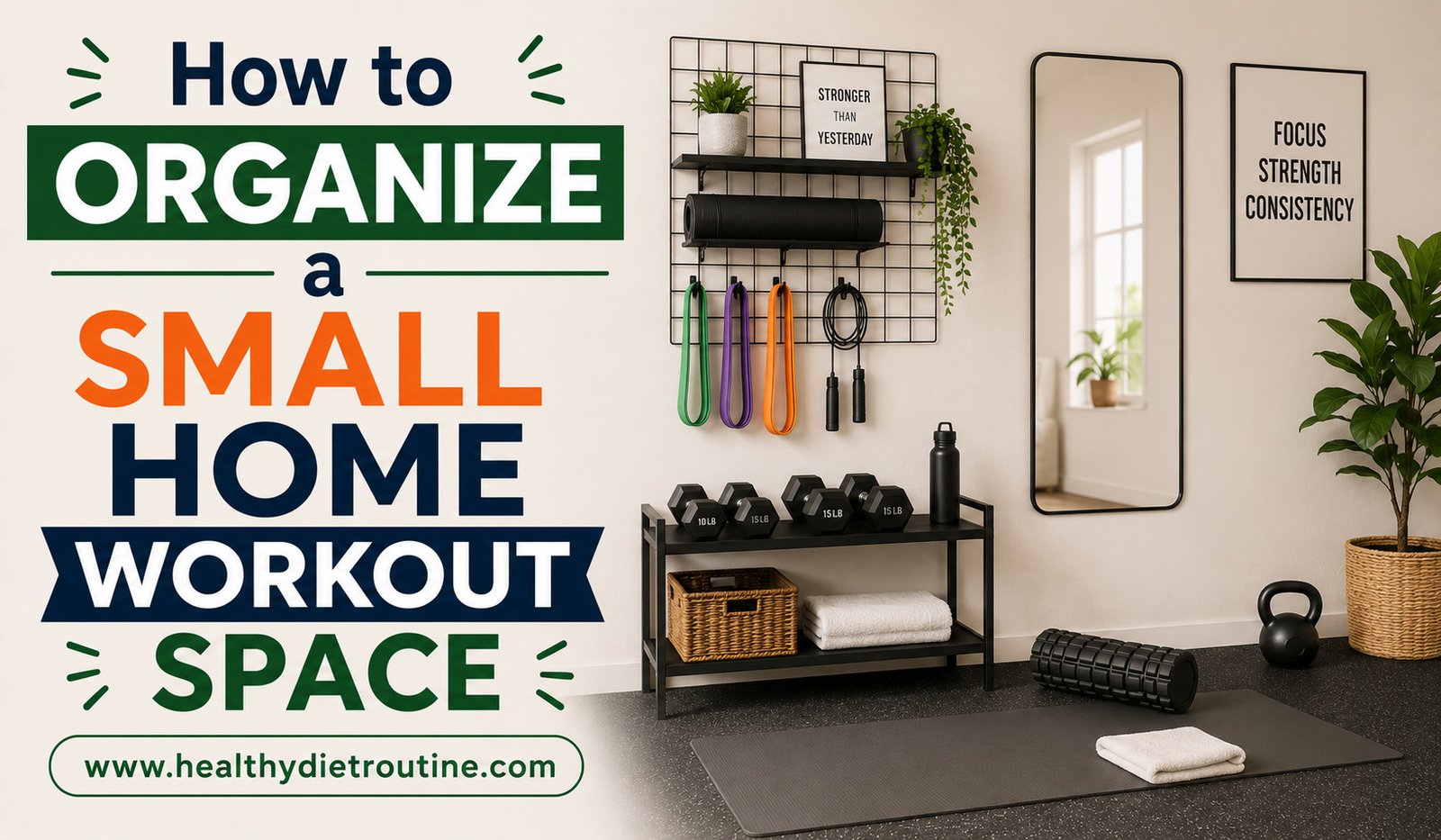
Creating a home workout space does not require a large room, expensive gym equipment, or a dedicated fitness studio. Even a small corner of a bedroom, living room, balcony, or hallway can become a practical place to exercise. The key is to organize the space carefully so that it remains comfortable, safe, and easy to use.
A well-organized workout area can also make it easier to stay consistent. When your exercise equipment is easy to access and your workout area is ready to use, there are fewer excuses to skip a session. Whether you prefer yoga, bodyweight exercises, strength training, stretching, or cardio, a small space can work surprisingly well with the right approach.
Choose the Right Area
The first step is finding a suitable location. You do not necessarily need an entire room. Look for an area where you can move your arms, legs, and body without hitting furniture, walls, or other objects.
A corner of a bedroom or living room can work well. If you have limited indoor space, you can also temporarily move a chair or small table before exercising and return it afterward.
Before choosing the area, consider the floor, ventilation, lighting, and noise level. A space with good airflow and enough natural or artificial light can make workouts more comfortable.
Safety should come before appearance. Make sure the floor is stable and that there are no loose cables, slippery objects, or furniture edges that could create hazards.
Measure Your Available Space
One of the easiest mistakes when organizing a small home gym is buying equipment before measuring the available area.
Take a few minutes to determine how much floor space you actually have. Think about the types of exercises you want to perform and how much movement they require.
For example, a yoga routine may need enough room for a mat, while resistance-band exercises or bodyweight workouts may require additional space around the mat.
You do not need to fill every available area with equipment. Leaving some open floor space is often more useful than having several large fitness products.
Keep the Floor Area Clear
Open floor space is one of the most valuable resources in a small workout area. Instead of permanently placing equipment everywhere, try to keep the center of the space open.
This allows you to perform exercises such as squats, lunges, push-ups, planks, stretching, and mobility movements without constantly moving objects around.
If you share the room with other people or use the area for multiple purposes, consider equipment that can be folded or stored against a wall when you are finished exercising.
A clear floor also makes it easier to clean the space regularly.
Invest in a Good Exercise Mat
An exercise mat can become the foundation of a small home workout space. It provides a defined area for exercise and can make floor-based movements more comfortable.
A mat is useful for stretching, yoga, core exercises, bodyweight workouts, and many strength exercises. Choose a size and thickness that suit your workouts and available space.
When you finish exercising, roll the mat up and store it vertically or against a wall if possible. This simple habit can keep your workout area organized without permanently occupying valuable floor space.
Choose Compact Equipment
Small spaces work best with versatile equipment. Instead of buying multiple machines, consider simple items that can be used for different exercises.
Resistance bands are particularly useful because they are lightweight and take up very little storage space. A pair of adjustable dumbbells can also provide multiple resistance options without requiring several sets of weights.
Other compact options include a skipping rope, small exercise ball, yoga blocks, or a lightweight kettlebell.
The goal is not to create a complete commercial gym at home. Choose equipment based on the exercises you actually plan to perform.
Use Vertical Storage
When floor space is limited, look upward. Vertical storage can help you organize equipment without taking up much room.
Wall-mounted hooks, shelves, racks, or storage baskets can be useful for keeping resistance bands, skipping ropes, towels, and other small workout accessories organized.
If you rent your home or cannot make permanent changes to the walls, freestanding storage solutions may be more practical.
Keep heavier equipment on stable, lower shelves and lighter items where they are easy to reach. Always make sure storage solutions are secure and suitable for the weight of the equipment.
Create an Equipment Storage System
A small workout area can quickly become messy when resistance bands, bottles, towels, weights, and accessories are left on the floor.
Give each item a specific place. For example, you might keep small accessories in one basket, resistance bands together, and weights in a designated corner.
This makes it easier to find what you need before a workout and encourages you to put everything away afterward.
An organized storage system does not have to be complicated. Even a simple basket or shelf can make a noticeable difference.
Keep Frequently Used Items Accessible
The equipment you use most often should be easy to reach. If you exercise regularly with resistance bands, keep them somewhere accessible rather than hiding them at the back of a cupboard.
At the same time, avoid leaving everything permanently scattered around the room.
A useful approach is to separate equipment into two categories: items you use frequently and items you use occasionally. Keep daily-use equipment nearby and store less frequently used items in a cupboard, storage box, or another suitable location.
Make the Space Comfortable
Organization is important, but comfort can also affect your motivation.
Good ventilation can help prevent the area from becoming uncomfortable during exercise. If possible, choose a space near a window or fan.
Adequate lighting is also helpful, especially when performing exercises that require attention to body position.
You may also want to keep a water bottle and small towel nearby. These simple additions can make your workout routine more convenient.
Reduce Distractions
A home workout area can easily become surrounded by distractions. Televisions, phones, household chores, and other activities can make it difficult to concentrate.
You do not need a completely distraction-free environment, but creating a clear boundary can help. When you enter your workout space, treat it as time dedicated to exercise.
If you use your phone for workout videos or music, place it somewhere secure where you can see it without constantly checking notifications.
Consider Mirrors Carefully
A mirror can be useful in a home workout space because it allows you to observe your exercise technique. This can be particularly helpful when learning basic movements.
However, a large mirror is not essential. If space is limited, you can use an existing full-length mirror or position yourself where you can occasionally check your form.
Make sure any mirror is securely installed and positioned safely away from areas where you could accidentally hit it during exercise.
Keep the Space Clean
Workout spaces can accumulate sweat, dust, and dirt quickly. Regular cleaning helps maintain a more pleasant environment.
Wipe down equipment when appropriate, clean your exercise mat according to its care instructions, and keep the floor free from dust and clutter.
Avoid storing wet towels or sweaty clothing in the workout area. Allow equipment to dry properly before putting it away.
A clean space can make your next workout feel more inviting.
Design the Space Around Your Routine
The best small home workout space is designed around the activities you actually enjoy.
If you prefer yoga and stretching, prioritize an open area for your mat. If strength training is your focus, create a safe storage area for dumbbells, bands, or kettlebells. If you enjoy cardio, leave enough room for movements such as marching, jumping, or step-based exercises.
Do not feel pressured to copy expensive home gyms you see online. Your space should be practical rather than impressive.
Make It Easy to Start Exercising
One of the biggest advantages of a well-organized home workout space is convenience. If you have to spend ten minutes clearing furniture and searching for equipment before every session, you may be less likely to exercise.
Try to create a setup that can be ready within a minute or two. Keep your mat accessible, store equipment logically, and maintain enough open space for your favorite exercises.
The easier it is to begin, the easier it can be to build consistency.
Final Thoughts
Organizing a small home workout space is mainly about using the space efficiently rather than buying more equipment. A clear floor, comfortable exercise mat, compact fitness tools, smart storage, and good ventilation can be enough to create a useful workout environment.
Start with the essentials and expand only when you know what you actually need. Keep equipment organized, clean the area regularly, and prioritize safety over appearance.
Whether you have an entire room or just a small corner, thoughtful organization can turn almost any part of your home into a practical place to exercise. The most important thing is not how big your workout space looks, but how easily it helps you stay active and consistent.