
Simple Ways to Make Exercise More Enjoyable
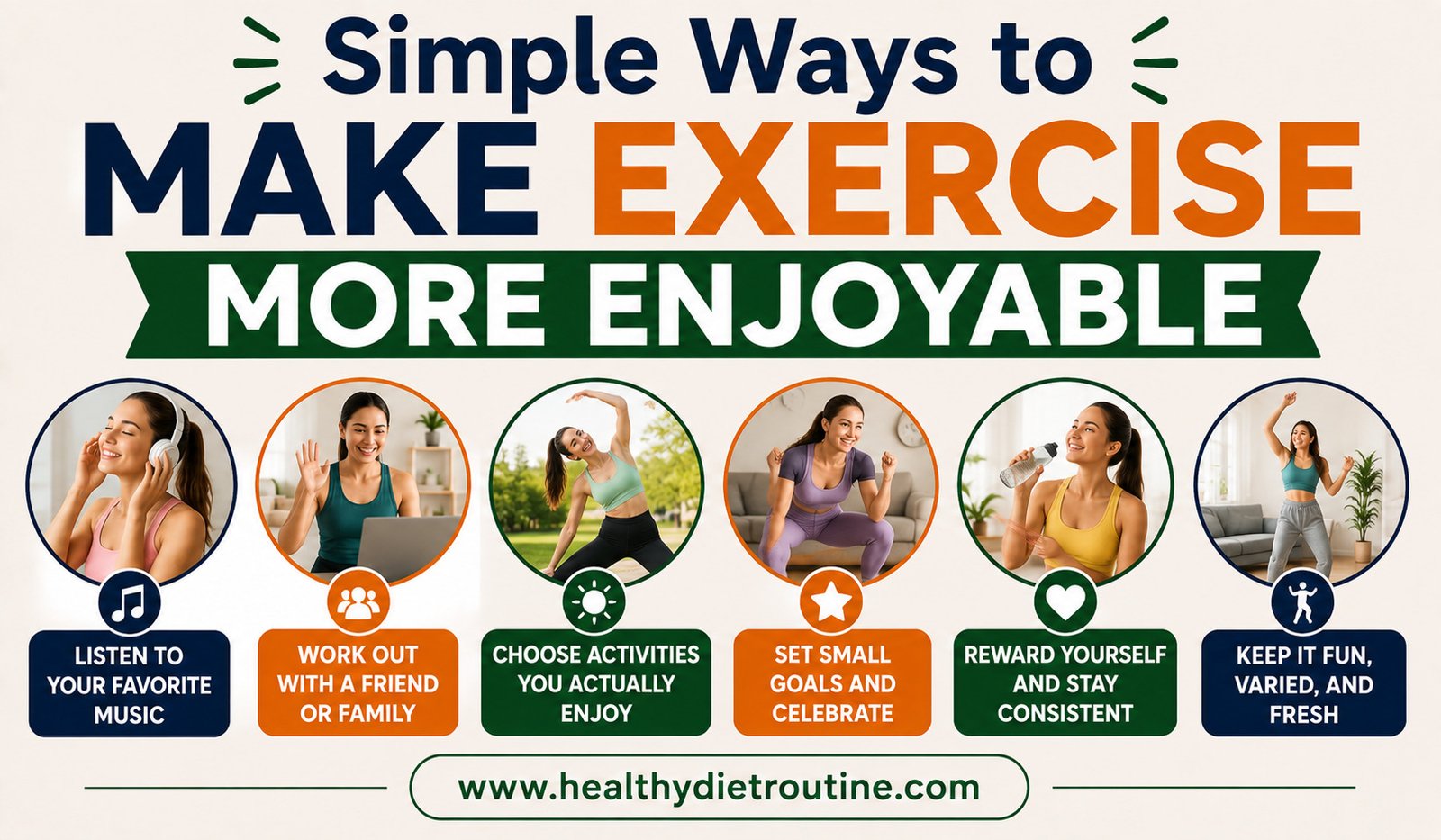
Exercise is an important part of a healthy lifestyle, but that does not mean every workout has to feel like a chore. Many people start exercising with good intentions but eventually lose motivation because their routine feels repetitive, uncomfortable, or disconnected from what they actually enjoy.
The good news is that exercise does not have to be boring or exhausting to be effective. Finding activities you like, changing your routine, listening to music, exercising with friends, and setting realistic goals can make physical activity feel much more enjoyable.
If you are struggling to stay consistent with exercise, a few simple changes may completely change how you approach your workouts.
Choose Activities You Actually Like
One of the easiest ways to make exercise more enjoyable is to stop forcing yourself to do activities you dislike.
If you hate running, you do not have to run every day to become more active. You might enjoy brisk walking, cycling, dancing, swimming, badminton, yoga, or home workouts instead.
Exercise can take many forms. The best activity is often one that you genuinely enjoy and can continue doing regularly.
Try different activities until you find something that fits your personality and lifestyle. When exercise feels enjoyable rather than obligatory, staying consistent becomes easier.
Listen to Music While You Exercise
Music can make a workout feel more energetic and help break up repetitive routines. Creating a playlist of songs you enjoy can give you something to look forward to during exercise.
Choose music that matches the activity. Faster songs may work well for cardio sessions, while calmer music can create a relaxing atmosphere during stretching or mobility exercises.
If you prefer podcasts or audiobooks, those can also make walking or low-intensity workouts more interesting.
The goal is to create an environment that makes physical activity feel less like a task.
Exercise With a Friend
Working out with someone else can add a social element to exercise. A friend, family member, or workout partner can provide encouragement and make sessions more enjoyable.
You can go for walks together, try a home workout, play a sport, or simply challenge each other to stay active.
Having someone expecting you to show up can also make it easier to stay accountable. Even a simple conversation during a walk can make the activity feel more like social time than formal exercise.
Take Your Workout Outdoors
If exercising indoors feels repetitive, consider taking your workout outside.
Walking in a park, cycling around your neighborhood, hiking, or doing simple bodyweight exercises outdoors can provide a change of scenery.
Spending time outside can make physical activity feel refreshing, especially when you have been sitting indoors for most of the day.
You do not need an elaborate outdoor workout. Even a regular walk can be a useful way to combine movement with a change of environment.
Avoid Doing the Same Workout Every Day
Repeating exactly the same routine can quickly become boring. Adding variety can keep exercise interesting while allowing you to work different aspects of fitness.
For example, you might walk one day, perform strength exercises another day, and spend another session doing stretching or yoga.
You can also change the exercises within your existing routine. Try different bodyweight movements, adjust the duration, or experiment with resistance bands.
Variety does not mean your workouts need to become complicated. Small changes can be enough to keep things fresh.
Set Small and Realistic Goals
Unrealistic fitness goals can make exercise stressful. Instead of expecting dramatic changes immediately, focus on small improvements.
You might aim to complete three workouts in a week, walk for an additional ten minutes, perform a few more repetitions, or improve your exercise technique.
Small goals provide achievable milestones. Every time you reach one, you can set another realistic target.
Progress becomes more motivating when you can see yourself improving gradually.
Focus on How Exercise Makes You Feel
Many people judge exercise only by changes in their appearance or body weight. While physical changes can be meaningful goals, they are not the only benefits of staying active.
Exercise can also help you feel more energetic, improve physical fitness, support mobility, and provide a break from a sedentary routine.
Pay attention to how you feel after completing a workout. You may notice that you feel more refreshed, confident, or relaxed.
Recognizing these benefits can help shift your mindset from exercising because you “have to” toward exercising because it makes you feel better.
Keep Workouts Short When Necessary
A workout does not have to last an hour to be worthwhile. If you have a busy schedule, a shorter session may be more realistic.
A 15- or 20-minute workout can include bodyweight exercises, brisk walking, mobility movements, or a combination of activities.
Short workouts can also reduce the mental barrier of getting started. Once you begin, you may decide to continue for longer. But even if you stop after your planned session, you have still made time for physical activity.
Consistency is often more important than making every workout long.
Turn Exercise Into a Game
Adding a playful element can make movement more interesting.
You could set personal challenges, track walking distance, try to beat your previous workout performance, or explore different routes when walking or cycling.
Some fitness apps and wearable devices also use goals, badges, or activity tracking to make exercise feel more interactive.
The key is to focus on personal progress rather than comparing yourself with others.
Create a Workout Playlist or Routine
Having a familiar routine can make it easier to transition into exercise mode. You might create a specific playlist, prepare your workout clothes in advance, or follow the same simple preparation steps before each session.
These small habits can reduce the amount of thinking required before exercising.
At the same time, leave room for flexibility. If you planned a workout but feel like taking a walk instead, choosing another form of movement can be better than skipping activity completely.
Wear Comfortable Workout Clothes
Comfort can have a surprisingly big effect on how enjoyable exercise feels.
Choose clothing that allows you to move freely and footwear appropriate for the activity. You do not need expensive fitness clothing. The most important thing is that your clothes feel comfortable and suitable for what you are doing.
Feeling physically comfortable can help you focus more on the activity instead of constantly adjusting your clothing or equipment.
Reward Yourself in Healthy Ways
You can create positive associations with exercise by giving yourself something enjoyable after completing a workout.
For example, you could listen to your favorite podcast while walking, take a relaxing shower afterward, spend some quiet time reading, or enjoy another activity you like.
The reward does not have to involve food or spending money. It can simply be something that makes you feel good about completing your workout.
Exercise at a Time That Suits You
There is no universal best time of day to exercise. Some people feel energetic in the morning, while others prefer exercising in the evening.
Try different times and identify when you feel most comfortable and motivated.
If you are consistently tired after work, exercising earlier may work better. If mornings feel rushed, an evening walk or home workout may be easier to maintain.
The best workout schedule is one that fits naturally into your daily life.
Do Not Aim for Perfect Workouts
A major reason people lose enjoyment is the belief that every workout needs to be perfect.
Some days you may have lots of energy and complete a challenging session. Other days, you may only have enough motivation for a short walk or a few stretches.
That is completely normal.
Instead of thinking that a workout only counts when you follow the entire plan, recognize the value of whatever movement you can comfortably complete.
A flexible approach can make exercise more sustainable over the long term.
Make Exercise Part of Your Lifestyle
Exercise becomes easier to enjoy when it is not treated as a separate punishment or obligation.
Look for opportunities to add more movement to your day. Walk while taking phone calls, take the stairs when practical, play actively with children, take short movement breaks during long periods of sitting, or walk to nearby destinations when convenient.
These small activities can complement structured workouts and make movement a normal part of daily life.
Final Thoughts
Making exercise more enjoyable does not require expensive equipment or complicated training programs. The biggest change may simply be choosing activities that fit your interests and lifestyle.
Listen to music, exercise with friends, try different activities, spend time outdoors, set achievable goals, and give yourself permission to keep workouts flexible. Most importantly, stop measuring success only by how difficult a workout feels.
When physical activity becomes something you look forward to rather than something you dread, staying consistent becomes much easier. Find movement that feels good, keep your goals realistic, and remember that an enjoyable routine is one you are more likely to maintain for the long term.