
Best Blood Glucose Meters for Home Testing
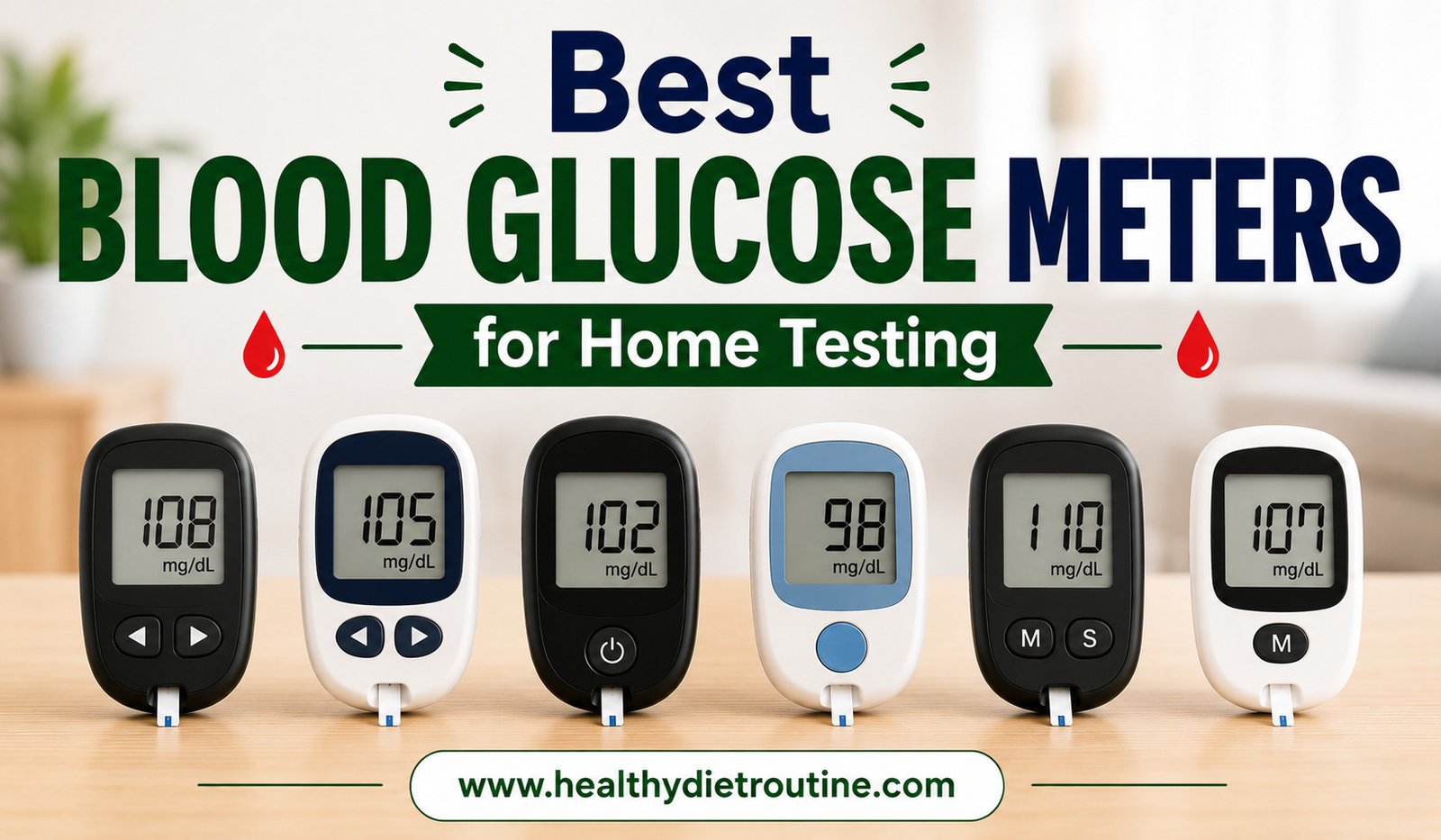
Monitoring blood glucose at home can be an important part of diabetes management. A blood glucose meter, also called a glucometer, allows you to check your blood sugar using a small drop of blood and can provide useful information about how food, physical activity, medication, and daily routines affect glucose levels. The right device can make testing simpler, more comfortable, and easier to track over time.
However, choosing the best blood glucose meter for home testing involves more than looking for the cheapest device or the fastest result. Accuracy, test-strip availability, ease of use, sample size, storage, and ongoing costs all matter. The American Diabetes Association’s 2026 Standards of Care recommends using glucose meters with proven accuracy and appropriate regulatory approval, along with unexpired and properly stored test strips.
What Is a Blood Glucose Meter?
A blood glucose meter is a small electronic device that measures the amount of glucose in a blood sample. A typical testing system includes the meter, disposable test strips, and a lancing device used to obtain a small blood sample.
During testing, a test strip is inserted into the meter and a drop of blood is applied. The meter analyzes the sample and displays the glucose level. Depending on the model, results may be stored in the device or transferred to a smartphone or other digital platform.
The FDA explains that home glucose monitoring can help people with diabetes understand their glucose levels and, together with their healthcare professional, make appropriate decisions about diet, exercise, and treatment.
Why Choosing the Right Glucose Meter Matters
Not all glucose meters perform exactly the same way. Differences in accuracy, design, test-strip technology, and usability can affect the testing experience.
A meter that requires a very small blood sample may be more comfortable for frequent testing. A device with a large display may be easier for older adults to read. Meanwhile, Bluetooth connectivity and smartphone apps can be useful for people who want to maintain a digital record.
The cost of test strips is another important consideration. A reasonably priced meter can become expensive if its compatible strips are costly or difficult to find.
Best Features to Look for in a Home Glucose Meter
1. Proven Accuracy
Accuracy should be the first consideration when selecting a blood glucose meter. A device should have appropriate regulatory clearance or approval for its intended market and should demonstrate reliable performance.
The ADA recommends using meters with proven accuracy and emphasizes that healthcare professionals should be aware that accuracy can differ among glucose meters.
Don’t assume that a more expensive meter is automatically more accurate. Check reliable product information and, when possible, discuss your choice with your doctor or diabetes educator.
2. Affordable and Easily Available Test Strips
The meter itself is only one part of the overall cost. Test strips are typically required every time you perform a blood glucose test, so their price and availability should be considered before buying.
Choose a system whose compatible strips are readily available from reputable pharmacies or licensed sellers. The FDA recommends using new, properly stored strips and warns against using previously owned or improperly stored strips because they can produce inaccurate results.
3. Small Blood Sample Requirement
Some modern glucose meters require only a small blood sample. This can make testing more comfortable, especially for people who need to check their glucose frequently.
However, don’t choose a meter based only on the advertised sample size. Accuracy and reliable operation should remain the higher priorities.
4. Easy-to-Read Display
A clear display can make a major difference in everyday use. Large numbers and straightforward controls are particularly useful for older adults or anyone with vision difficulties.
Some meters also provide audible results or other accessibility features. The FDA specifically suggests considering features such as large displays, spoken instructions, and spoken results when selecting a glucose monitoring device.
5. Memory and Data Tracking
Memory storage can help you keep track of previous readings without manually writing every result down.
More advanced meters may connect to smartphone apps, allowing users to review glucose patterns and share information with healthcare professionals. The FDA identifies data transmission to computers, phones, or cloud services as one feature consumers may consider when selecting a glucose monitoring system.
Popular Types of Blood Glucose Meters
There are several types of home glucose meters available, ranging from simple traditional devices to connected smart systems.
Traditional Glucose Meters
Traditional meters are designed primarily for straightforward testing. They usually include a meter, test strips, lancets, and a lancing device.
These models can be a good choice for people who want a simple system without smartphone connectivity or complicated features.
Bluetooth Glucose Meters
Bluetooth-enabled meters can transfer readings to a smartphone application. This can make it easier to organize measurements, identify trends, and maintain a digital record.
For people who regularly review their glucose data, connectivity can be a useful convenience. However, it should not replace the basic requirements of accuracy and appropriate test-strip compatibility.
Meters With Larger Displays
Some devices are designed with accessibility in mind. Larger screens, clear numbers, and simple buttons can make them easier to use for older adults and people with visual difficulties.
If more than one family member will use a meter, remember that blood glucose meters intended for individual home use should generally not be shared because of the risk of bloodborne infection.
How to Use a Blood Glucose Meter Correctly
Using the meter correctly is just as important as buying a reliable device.
Start by reading the manufacturer’s instructions. Wash and dry your hands before testing because traces of food, sugar, or other substances on your fingers can affect the result.
Insert the correct test strip into the meter and use the lancing device according to its instructions. Apply an adequate blood sample to the test strip and wait for the result.
Avoid squeezing the fingertip excessively to obtain blood, as this can affect the sample. The FDA also recommends checking that test strips are compatible with the specific meter and have not expired.
If a reading looks unusual or doesn’t match how you feel, repeat the test according to the meter’s instructions and contact your healthcare professional when appropriate.
How to Store Test Strips
Proper storage is essential for reliable glucose testing. Test strips can be affected by heat, humidity, and improper handling.
Keep strips in their original container and follow the manufacturer’s storage instructions. If the strips come in a vial, close the container promptly after removing a strip. Do not use expired, damaged, or improperly stored strips.
For people living in hot or humid environments, paying particular attention to storage conditions is especially important.
Alternative-Site Testing: Is It Better?
Some glucose meters allow testing from locations other than the fingertip, such as the palm, forearm, or upper arm.
While this can be convenient, alternative-site testing may be less accurate when blood glucose is changing quickly. The FDA recommends fingertip testing in situations such as illness, after eating, after exercise, after taking insulin, when low blood sugar is suspected, or when the result doesn’t match how you feel.
Always follow the instructions provided with your specific meter and ask your healthcare professional whether alternative-site testing is appropriate for you.
How Often Should You Test Blood Glucose?
There is no universal testing schedule for everyone. How often you should check your blood glucose depends on factors such as your type of diabetes, treatment, medication, glucose targets, and recommendations from your healthcare professional.
The ADA notes that people using insulin may need to check at different times, including around meals, exercise, bedtime, when low or high blood glucose is suspected, and before certain activities such as driving.
Rather than testing more frequently simply because you have a meter, follow the schedule recommended for your individual situation.
Blood Glucose Meter vs Continuous Glucose Monitor
A traditional blood glucose meter requires a fingerstick blood sample, while a continuous glucose monitor (CGM) uses a sensor to track glucose levels over time.
CGMs can provide more frequent information and may reduce the need for repeated fingersticks in some situations. However, blood glucose meters remain useful, and the ADA recommends that people using CGM devices also have access to blood glucose monitoring when appropriate.
For many households, a reliable glucose meter can also be a practical and relatively affordable option for spot checks.
What Should You Consider Before Buying?
Before choosing a glucose meter, consider how you will actually use it every day. A good home-testing system should be convenient enough that you can follow your recommended testing routine consistently.
Pay attention to:
- Proven accuracy and appropriate regulatory approval
- Cost and availability of test strips
- Required blood sample size
- Easy-to-read display
- Simple testing procedure
- Memory capacity
- Smartphone connectivity, if needed
- Battery life
- Availability of replacement lancets
- Manufacturer support
- Proper storage requirements
The American Diabetes Association’s consumer guide lists a range of glucose meters and highlights differences in features, including smartphone connectivity, sample requirements, displays, and ease-of-use features.
Final Thoughts
The best blood glucose meter for home testing is not necessarily the newest or most expensive model. It is the one that provides reliable readings, uses affordable and accessible test strips, fits your daily routine, and is easy for you to operate correctly.
Accuracy should always come first, followed by practical features such as a clear display, small sample requirements, memory storage, and smartphone connectivity. Test-strip availability and long-term cost are also important because they can have a greater impact on your budget than the initial price of the meter.
Most importantly, use your glucose meter as part of an overall diabetes-management plan. Follow your healthcare professional’s recommendations, use the correct test strips, store supplies properly, and discuss unusual or concerning readings with your healthcare team. A home glucose meter can provide valuable information, but it works best when combined with professional medical guidance and consistent testing habits.