
Best Pulse Oximeters for Home Monitoring
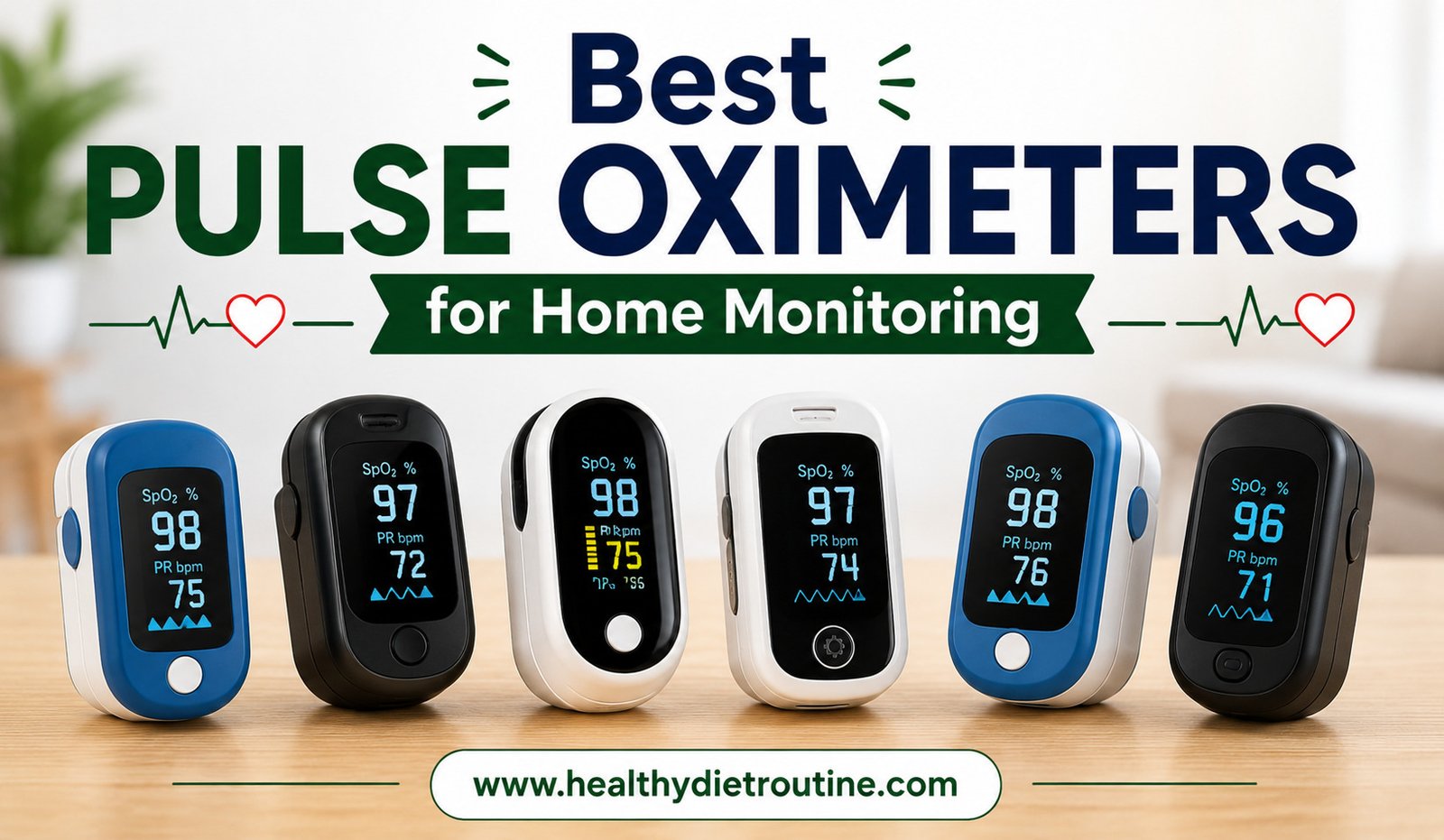
A pulse oximeter is a small, convenient device that can estimate blood oxygen saturation and pulse rate within seconds. For people who want to keep track of their health at home, it can be a useful addition to a basic home health kit. However, choosing the best pulse oximeter for home monitoring requires more than comparing prices or selecting a device with the brightest display.
Accuracy, appropriate certification or regulatory clearance, ease of use, finger fit, and reliable readings should be the main priorities. It is also important to understand that a pulse oximeter provides an estimate and should not be used on its own to diagnose a medical condition. The FDA recommends considering readings alongside symptoms and other medical information.
What Is a Pulse Oximeter?
A pulse oximeter, commonly called a pulse ox, is usually a small clip-shaped device placed on a fingertip. It uses light to estimate the percentage of oxygen carried in the blood, known as oxygen saturation or SpO₂. It can also display pulse rate.
For most healthy people, oxygen saturation is generally around 95% to 100%, although normal levels can vary depending on individual health and altitude. People with certain lung or heart conditions may have different typical readings.
Because the device is non-invasive, there is no need for a blood sample. A reading can usually be obtained within seconds after the device settles on the finger.
Why Keep a Pulse Oximeter at Home?
Home monitoring can be useful when a healthcare professional has recommended checking oxygen levels or when someone needs to observe trends in their readings. It can also provide additional information when respiratory symptoms occur.
However, a pulse oximeter should not create a false sense of security. A normal reading does not always mean everything is fine, and an unusual reading can sometimes result from incorrect positioning or factors that affect the device’s performance.
The FDA advises people monitoring oxygen at home to pay attention to symptoms and contact a healthcare professional if they are concerned about a reading or if symptoms are serious or worsening.
What Makes the Best Pulse Oximeter for Home Use?
The best pulse oximeter is not necessarily the cheapest or the one with the most features. Instead, look for a device designed for its intended purpose and supported by appropriate performance information.
1. Accuracy Should Be the First Priority
Accuracy is the most important consideration when buying a pulse oximeter. Consumers should check the intended use of the device and the manufacturer’s information about its performance.
The FDA distinguishes between pulse oximeters intended for medical purposes and products marketed as general wellness devices. Many consumer products sold online are not evaluated by the FDA for clinical decision-making.
If you need a pulse oximeter for a specific medical condition, ask your healthcare professional which type of device is appropriate rather than choosing solely based on online reviews.
2. Choose a Comfortable Finger Clip
A pulse oximeter needs to sit correctly on the finger to obtain a useful reading. Look for a clip that feels secure without being excessively tight.
The sensor should remain stable while you are measuring. Movement can interfere with the reading, so a comfortable fit is particularly important for older adults or people who may find it difficult to keep their hands still.
3. Look for a Clear Display
A large, bright and easy-to-read screen can make a pulse oximeter much more convenient at home.
Most devices display SpO₂ and pulse rate. Some models also show a pulse waveform or signal-strength indicator. These additional features can help users determine whether the device is receiving a stable signal, although they do not automatically make the device more accurate.
4. Consider Ease of Operation
A good home pulse oximeter should be simple enough to use without complicated instructions. One-button operation, automatic shutoff, and an easy-to-understand screen can be helpful features.
If the device is being purchased for an older family member, prioritize readability and simplicity over unnecessary smart features.
5. Check Battery Requirements
Most fingertip pulse oximeters use standard batteries. Check the battery type before purchasing and consider choosing a model with an automatic shutoff feature to extend battery life.
Keeping spare batteries available is useful if the device is intended for regular monitoring.
How to Use a Pulse Oximeter Correctly
Correct technique can make a significant difference in the quality of a reading.
Before taking a measurement, sit quietly and keep your hand relaxed. Your hand should be warm, because cold fingers and poor circulation can affect the result. Remove nail polish or artificial nails from the finger being measured when possible.
Place the device securely on the fingertip and keep your hand still. Wait several seconds until the displayed number becomes stable. Then record the SpO₂ reading, pulse rate, date and time if you are tracking your measurements. These steps are consistent with FDA recommendations for home use.
Taking a reading immediately after exercise, while moving, or when your hands are very cold may produce a less reliable result.
What Can Affect Pulse Oximeter Accuracy?
Several factors can influence a pulse oximeter reading. These include poor circulation, cold skin, movement, fingernail polish, artificial nails, skin thickness, tobacco use and skin pigmentation.
Skin pigmentation deserves particular attention. The FDA has acknowledged evidence showing differences in pulse oximeter performance across skin pigmentation and issued draft recommendations in 2025 aimed at improving the performance evaluation of medical pulse oximeters across skin tones.
This does not mean that pulse oximeters are useless. It means readings should be interpreted carefully, especially when they do not match how you feel or when important medical decisions are involved.
Are Cheap Pulse Oximeters Reliable?
Price alone does not determine whether a pulse oximeter is suitable. Some affordable devices may be adequate for general wellness monitoring, while a more expensive product is not automatically more accurate.
Instead of focusing only on price, examine the device’s intended purpose, manufacturer information, accuracy claims and regulatory status where applicable.
If you are buying a device because a doctor has asked you to monitor oxygen levels, it is better to discuss your requirements with that healthcare professional before purchasing.
Pulse Oximeter vs Smartwatch Oxygen Monitoring
Smartwatches and fitness trackers may include blood oxygen features, but they should not automatically be treated as replacements for a dedicated medical pulse oximeter.
A fingertip pulse oximeter is specifically designed to estimate oxygen saturation using a sensor placed on the finger. Wearable devices may use different sensors, positioning and algorithms.
The FDA advises consumers to understand the intended purpose of a device and its limitations. General wellness products are not necessarily evaluated for clinical decision-making.
For medical monitoring, follow the device recommendation provided by your healthcare professional.
When Should You Be Concerned About a Reading?
A pulse oximeter reading should always be considered alongside symptoms and your usual readings. The FDA notes that signs potentially associated with low oxygen can include shortness of breath, worsening breathing problems or cough, bluish coloring of the face or lips, chest discomfort, restlessness, and a fast or racing pulse.
If you have concerning symptoms, do not wait for a pulse oximeter to confirm that something is wrong. Seek appropriate medical attention.
Likewise, do not change medication or oxygen therapy based solely on a pulse oximeter reading unless your healthcare professional has instructed you to do so.
Best Features to Look for Before Buying
When comparing pulse oximeters for home monitoring, focus on practical features rather than marketing claims. A good device should have:
- A clear and readable display
- Comfortable fingertip design
- Stable readings
- Appropriate accuracy information
- Simple controls
- Reliable battery performance
- Instructions that clearly explain intended use
- Suitable sizing for the intended user
A storage case can also be useful for protecting the device when it is not being used.
Final Thoughts
The best pulse oximeter for home monitoring is one that is appropriate for your intended use, easy to operate and supported by reliable performance information. Accuracy should always come before extra features, attractive displays or low prices.
For routine home use, learn how to position the device correctly, keep your hand warm and still, wait for a stable reading, and record measurements when your healthcare professional has recommended monitoring.
Most importantly, remember that a pulse oximeter is a monitoring tool, not a diagnosis. Readings can be affected by several factors, and the FDA recommends considering symptoms and overall health rather than relying on the displayed number alone.