
Best TENS Units for Home Use
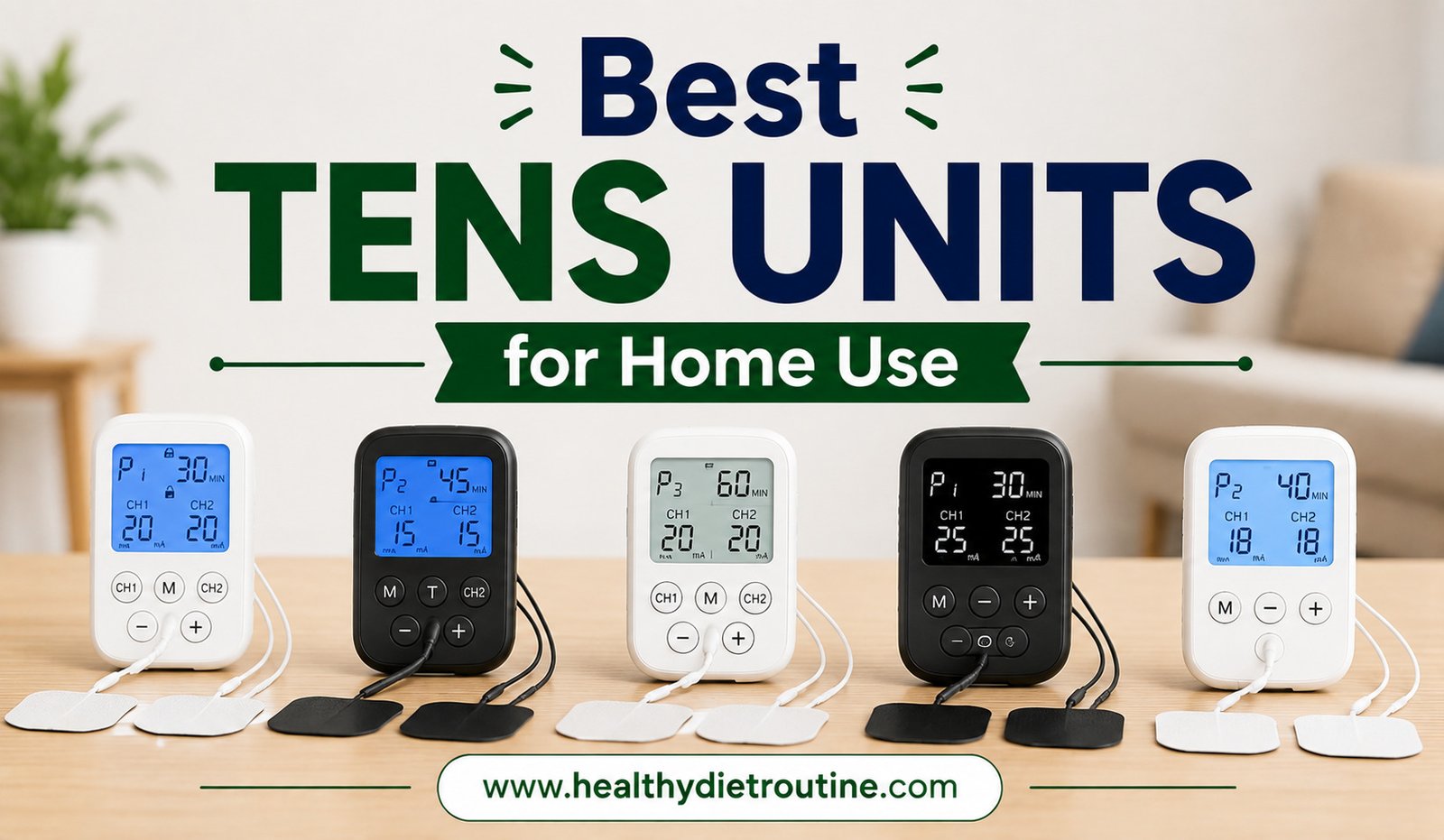
Transcutaneous electrical nerve stimulation, commonly known as TENS, is a popular drug-free option for people looking for temporary relief from certain types of pain. A TENS unit is a small electronic device that sends mild electrical impulses through adhesive pads placed on the skin. These impulses can influence pain signals and may encourage the body to release natural pain-relieving chemicals called endorphins.
TENS units are available in different designs, from simple battery-powered devices to advanced models with multiple programs, adjustable intensity levels, rechargeable batteries, and compact wireless controls. Choosing the best TENS unit for home use depends on your pain-management needs, ease of operation, electrode placement options, safety features, and the guidance of your healthcare professional.
It is important to remember that TENS does not work for everyone and generally provides temporary pain relief rather than treating the underlying cause of pain.
What Is a TENS Unit?
A TENS unit is a portable electrical stimulation device designed to deliver a low electrical current through electrodes attached to the skin.
The electrode pads are normally positioned near the painful area. When the device is switched on, users typically feel a tingling sensation. The intensity can usually be adjusted until the stimulation feels strong but comfortable rather than painful.
Modern TENS machines can offer different stimulation programs and adjustable settings. Some allow users to change pulse intensity, frequency, or duration, while simpler models may provide a few preset programs.
For home use, simplicity can be an advantage. A device with complicated settings may not be useful if you are unsure how to select the appropriate program.
What Can TENS Be Used For?
TENS may provide temporary relief for several types of short-term and long-term pain. The NHS lists examples including period pain, pain from sports injuries, arthritis-related pain, and pain associated with conditions such as endometriosis.
Healthcare organizations also describe TENS as an option that may be used for conditions involving back, knee, neck, muscular, and arthritic pain.
However, the effectiveness of TENS varies from person to person. It should be considered a pain-management tool rather than a cure.
If you have new, unexplained, severe, or worsening pain, it is better to identify the cause with a healthcare professional before relying on a TENS machine.
What Makes the Best TENS Unit for Home Use?
1. Adjustable Intensity
A good home TENS unit should allow you to adjust stimulation intensity gradually.
Different people have different sensitivity levels, and the same person may prefer different settings depending on the body area being treated. The stimulation should generally feel comfortable rather than painful.
Modern TENS devices commonly provide adjustable stimulation parameters, giving users greater flexibility when following appropriate instructions.
2. Multiple Programs
Multiple preset programs can make a TENS unit easier to use. Instead of manually adjusting every setting, users can select a program designed around a particular stimulation pattern.
This can be particularly helpful for beginners who are unfamiliar with electrical stimulation settings.
However, more programs do not automatically mean better pain relief. Choose a device that offers settings you can understand and use safely.
3. Comfortable Electrode Pads
Electrode pads are an important part of the TENS experience. Even an advanced device will not be convenient if its pads lose adhesion quickly or irritate the skin.
Look for replacement pads that are readily available and compatible with the device. Pads should be placed on clean, dry, intact skin according to the manufacturer’s instructions.
If the skin becomes irritated, red, itchy, or sore, stop using the device and remove the pads.
4. Portable Design
One of the main benefits of a TENS unit is portability.
A compact, lightweight model can be easier to use at home while sitting, relaxing, or performing suitable everyday activities. Battery-powered devices can also be convenient because they do not require a constant connection to a power outlet.
If portability is important to you, consider the device’s size, battery type, cable arrangement, and storage case.
5. Easy Controls
For home use, controls should be straightforward. A clear screen, simple buttons, and easy-to-understand intensity controls can make the device less intimidating for beginners.
A TENS machine should also include clear instructions explaining electrode placement, programs, intensity settings, charging or battery requirements, and safety precautions.
Wired vs Wireless TENS Units
Traditional TENS units connect the main controller to electrode pads using wires. These models are often straightforward and can be relatively affordable.
Wireless TENS systems reduce or eliminate the need for long cables between the controller and electrodes. They can provide greater freedom of movement and may be more convenient for some users.
However, wireless technology is not essential for effective TENS. A well-designed wired device can still be a practical choice for home pain management.
The most important considerations remain appropriate use, safe electrode placement, comfortable stimulation, and a device that meets applicable regulatory requirements.
Rechargeable vs Battery-Powered Models
Rechargeable TENS units can be convenient if you use the device frequently. You can charge the unit between sessions without regularly replacing batteries.
Battery-powered models have another advantage: they can be used immediately when needed as long as spare batteries are available.
Before purchasing, check the manufacturer’s battery specifications and expected operating time. If you travel frequently, also consider whether the charging system is convenient for your destination.
How to Use a TENS Unit Safely
Always read the instructions supplied with your particular TENS unit before using it.
Make sure the machine is switched off before applying or removing electrode pads. Place the electrodes on clean, dry skin and keep them away from areas where stimulation is unsafe. The NHS advises against using TENS on irritated, broken, infected, or numb skin.
The stimulation should normally begin at a low intensity and be increased gradually to a comfortable level. If the stimulation becomes painful or causes an unusual sensation, switch the device off and reassess its use.
A healthcare professional such as a doctor or physiotherapist can also show you appropriate electrode placement if you are unsure where to position the pads.
Where Should You Avoid Placing TENS Pads?
Electrode placement is one of the most important safety considerations.
TENS pads should not be placed over the front of the neck, eyes, or mouth. They should also not be placed over broken or infected skin. NHS guidance advises against placing electrodes around the heart or using them across the chest and back simultaneously.
Avoid using TENS while bathing or showering because the device is electrical. You should also not use it while driving or operating machinery.
Do not sleep with the device switched on unless a healthcare professional and the specific device instructions explicitly tell you otherwise.
Who Should Avoid TENS or Seek Medical Advice First?
TENS is not suitable for everyone.
People with implanted electronic devices such as pacemakers, implantable defibrillators, or other electronic implants should seek professional advice before using TENS because electrical stimulation can potentially interfere with implanted devices.
Pregnant people should also seek medical advice before using TENS, particularly during pregnancy outside situations where a healthcare professional has specifically recommended it. People with epilepsy or a history of seizures should also seek appropriate medical guidance.
If you have reduced sensation in the area where you intend to place the electrodes, professional advice is important because you may not be able to detect excessive stimulation or skin irritation properly.
TENS Unit vs EMS Device
TENS and electrical muscle stimulation, or EMS, are related technologies but are not identical.
TENS is primarily used for pain relief by stimulating nerves through electrodes on the skin. EMS is designed to stimulate muscles and can be used for purposes such as muscle re-education or rehabilitation under appropriate supervision. The FDA separately classifies TENS devices intended for pain relief and recognizes specific medical uses for electrical stimulators.
When shopping online, pay attention to the device’s intended use. Do not assume that a product marketed as an EMS or muscle-toning device provides the same function as a TENS unit.
What to Look for Before Buying
Before choosing a TENS unit for home use, consider the features you will actually need.
Look for:
- Adjustable intensity levels
- Simple controls
- Multiple stimulation programs
- Comfortable electrode pads
- Replacement-pad availability
- Rechargeable or replaceable battery options
- Portable construction
- Clear instructions
- Appropriate regulatory authorization for the market where you live
- Safety information and contraindications
The FDA classifies certain TENS devices as Class II medical devices in the United States, with specific regulatory classifications for nerve stimulation intended for pain relief.
Avoid buying a device solely because it has an unusually large number of modes or makes exaggerated claims about curing pain.
Is TENS Effective for Everyone?
No. TENS does not work equally well for every person or every type of pain.
The NHS describes TENS as a method that can provide temporary pain relief, while noting that it does not work for everyone.
Some people may notice useful relief during or shortly after a session, while others may experience little benefit. If your pain is persistent, severe, or getting worse, using a TENS unit should not delay appropriate medical assessment.
TENS is often best viewed as one part of a broader pain-management approach that may include physical therapy, exercise, medication, lifestyle adjustments, or treatment of the underlying condition.
Final Thoughts
The best TENS unit for home use is one that is safe, easy to operate, comfortable to wear, and appropriate for your specific pain-management needs. Adjustable intensity, multiple programs, reliable electrode pads, portability, and simple controls can make regular use more convenient.
However, choosing a TENS unit is not only about features. Safe electrode placement and understanding contraindications are essential. People with pacemakers or other implanted electronic devices, pregnancy, epilepsy, reduced sensation, or certain medical conditions should seek professional advice before using TENS.
A TENS unit can be a useful tool for temporary pain relief, but it should not be considered a cure or a substitute for medical evaluation. Use the device according to its instructions, stop if it causes significant discomfort or skin irritation, and speak with a healthcare professional if your pain is unexplained, persistent, or worsening.