
Easy Ways to Make Healthy Eating More Convenient
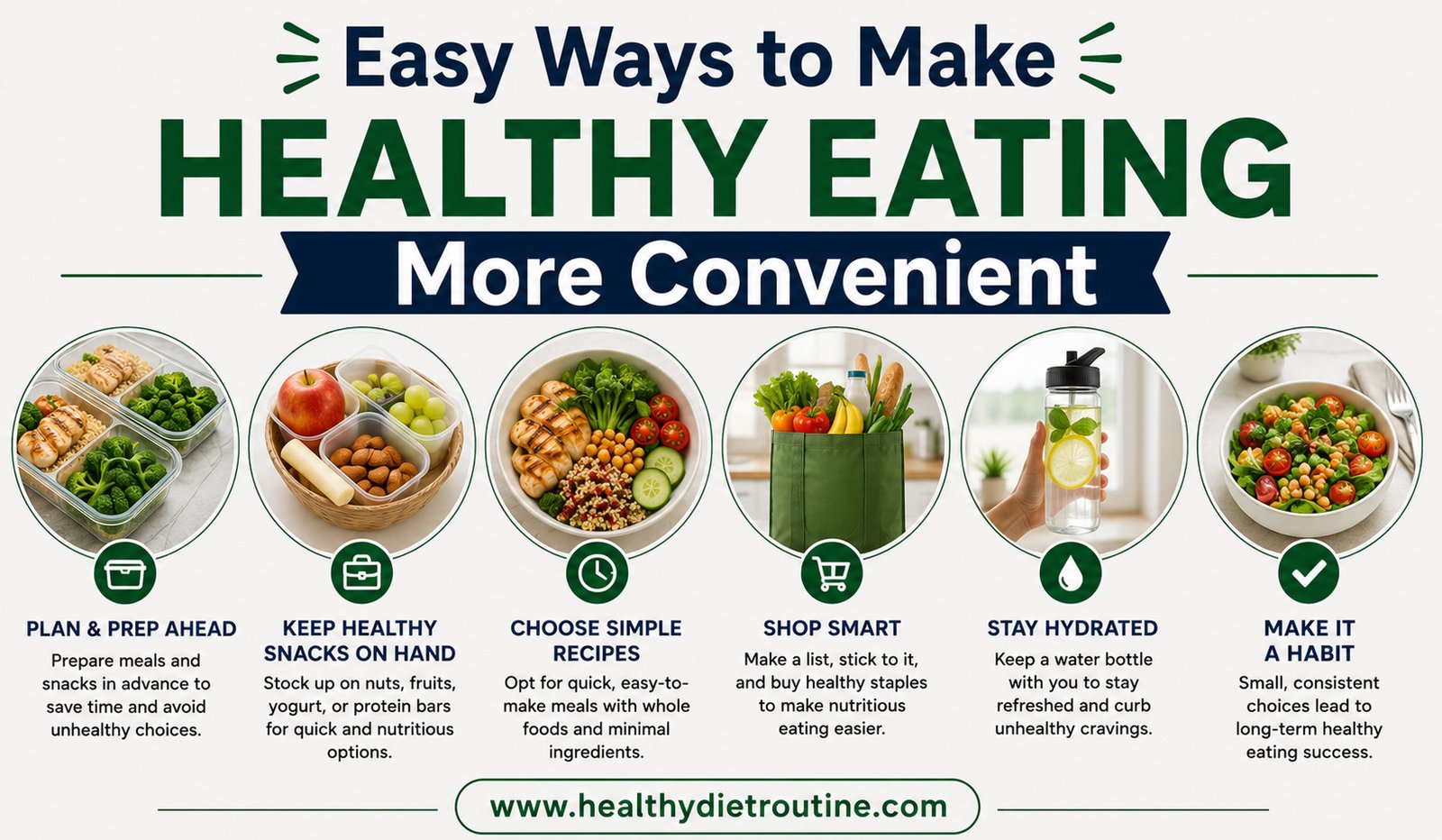
Healthy eating often sounds simple in theory. Choose nutritious foods, eat balanced meals, include plenty of fruits and vegetables, and avoid relying too heavily on highly processed snacks. In everyday life, however, busy schedules, long working hours, travel, family responsibilities, and limited cooking time can make healthy choices feel difficult.
The good news is that eating well does not always require complicated recipes or hours in the kitchen. A few practical habits can make nutritious food easier to prepare, store, and enjoy. The goal is not to create a perfect diet but to make healthier choices convenient enough to fit naturally into your routine.
Keep Healthy Foods Easy to See
One of the simplest ways to encourage better eating is to make nutritious foods visible and accessible. When healthy options are hidden at the back of the refrigerator while snacks are sitting on the kitchen counter, it is easy to reach for whatever requires the least effort.
Keep washed fruits in a visible bowl, store prepared vegetables in clear containers, and place healthy snacks where you can quickly see them. Yogurt, nuts, roasted vegetables, boiled eggs, or homemade snacks can be kept ready for moments when hunger appears.
This small change can reduce the amount of thinking required when choosing what to eat. Convenience matters, especially when you are tired or busy.
Plan a Few Meals in Advance
Healthy eating becomes easier when you do not have to decide what to cook at the last minute. You do not need to prepare every meal for an entire week. Instead, spend a little time planning a few basic meals and snacks.
Think about your schedule before the week begins. If you know that some days will be particularly busy, choose meals that are quick to assemble. You might prepare ingredients for a simple rice bowl, vegetable wrap, dal, soup, salad, or homemade sandwich.
A basic meal plan can also prevent unnecessary food purchases and reduce the temptation to order food simply because you cannot decide what to prepare.
Prepare Ingredients Instead of Complete Meals
Meal preparation does not always mean cooking several days’ worth of food. For many people, preparing individual ingredients is more practical.
You can wash and cut vegetables, cook a batch of grains, prepare beans or lentils, or make a simple homemade dressing ahead of time. These ingredients can then be combined differently throughout the week.
For example, cooked vegetables can become part of a lunch bowl one day and a wrap or side dish the next. This approach provides flexibility while still reducing daily preparation time.
Create a Convenient Healthy Snack Station
Snacking can become a challenge when healthier choices are not available. Instead of trying to eliminate snacks, make nutritious options easier to reach.
Keep foods such as fresh fruit, unsalted nuts, seeds, yogurt, roasted chickpeas, or homemade snacks available according to your preferences. Portioning snacks into small containers can also make them convenient for work, study, or travel.
Having prepared options nearby can help you avoid waiting until you are extremely hungry, when choosing the quickest available food may feel more appealing.
Make Breakfast Easier
Mornings are often one of the busiest parts of the day, which can make breakfast easy to skip or replace with less nutritious convenience foods.
Choose simple breakfast options that require minimal preparation. Oats, fruit and yogurt, eggs with whole-grain toast, vegetable sandwiches, smoothies, or homemade breakfast bowls can be prepared quickly.
Some ingredients can be prepared the night before. For example, fruit can be washed, oats can be measured, or sandwich ingredients can be organized in advance. A few minutes of preparation can make the morning much less stressful.
Cook in Larger Batches
Cooking larger portions can save time without requiring complicated meal preparation. When making foods such as dal, beans, soup, vegetables, rice, or other suitable dishes, consider preparing enough for more than one meal.
Store extra portions safely in appropriate containers and refrigerate or freeze them according to the food’s storage requirements. Having cooked food ready can be especially useful on busy evenings.
Batch cooking also makes it easier to maintain consistency. Instead of starting from zero every night, you only need to combine or reheat ingredients and add fresh components when needed.
Keep a Useful Pantry
A well-organized pantry can make healthy meals much easier to prepare. Stocking basic ingredients means you can create a meal even when you have not had time to visit the grocery store.
Useful staples may include whole grains, lentils, beans, canned or dried legumes, nuts, seeds, spices, and other ingredients that fit your eating preferences. Frozen vegetables and fruits can also be convenient because they generally require little preparation and can be stored for longer than many fresh foods.
The key is to choose foods that you actually enjoy eating. A pantry full of ingredients you never use will not make healthy eating more convenient.
Use Simple Cooking Methods
Healthy meals do not need to involve complicated cooking techniques. Simple methods such as steaming, roasting, sautéing, pressure cooking, or grilling can help you prepare nutritious ingredients without spending excessive time in the kitchen.
Choose recipes with fewer steps when your schedule is busy. A meal built around a protein source, vegetables, and a suitable grain or other carbohydrate can be both straightforward and satisfying.
You can also repeat successful meals. Eating a favorite healthy meal regularly is not a problem if your overall diet includes variety.
Make Water More Convenient
Hydration is another part of a healthy routine that can become easier with better preparation. Keep a reusable water bottle nearby at home, at work, or while traveling.
If plain water feels boring, some people enjoy adding slices of fruit, herbs, or other natural flavors. Unsweetened beverages can also provide variety.
Keeping water within reach reduces the need to search for a drink whenever you feel thirsty and can make regular hydration a more automatic habit.
Prepare Food for Work or Study
Eating away from home can make healthy choices more challenging, particularly when there are limited options nearby. Preparing some food in advance can give you greater control over what you eat.
A simple packed meal could include leftovers, a homemade sandwich, a grain-and-vegetable bowl, fruit, or another convenient combination. You do not need an elaborate lunch box every day. Even preparing one or two components at home can make a difference.
Keeping a few shelf-stable snacks at work or in your study area can also be useful when unexpected delays make your normal meal schedule difficult.
Keep Healthy Eating Flexible
Convenience should not mean creating strict rules that make eating stressful. Healthy eating is easier to maintain when it allows flexibility.
You may have days when you cook from scratch and other days when you need something extremely simple. The important thing is to build habits that work with your real schedule rather than an idealized routine.
Instead of asking whether every meal is perfect, focus on whether your overall eating pattern includes a useful balance of nutritious foods.
Shop With Convenience in Mind
Grocery shopping can become more efficient when you think about how foods will fit into your routine. Before shopping, consider which meals you expect to prepare and which ingredients can be used in multiple dishes.
Choose a mixture of fresh, frozen, and shelf-stable foods based on your needs. Buying pre-washed or pre-cut produce can sometimes save time, while frozen vegetables can be useful when fresh produce is difficult to use before it spoils.
Convenience products are not automatically unhealthy. The important consideration is how they fit into your overall eating pattern.
Make Healthy Eating a Habit, Not a Project
The easiest way to make healthy eating convenient is to reduce the amount of effort required to make good choices. Small systems can do more than relying on motivation every day.
Prepare a few ingredients, keep nutritious foods visible, plan simple meals, organize your pantry, and make healthy snacks easy to grab. These habits can gradually turn better eating into a normal part of your routine.
You do not need to change everything at once. Start with one or two improvements that save you the most time. Once those habits become comfortable, add another.
Conclusion
Healthy eating becomes much easier when nutritious choices are also convenient choices. Simple meal planning, ingredient preparation, accessible snacks, organized grocery shopping, batch cooking, and easy breakfast options can remove many of the everyday obstacles that make healthy eating difficult.
The goal is not perfection or complicated meal preparation. It is to create an environment where balanced food is available when you need it. By making healthy choices easier to prepare and easier to reach, you can build a sustainable eating routine that fits comfortably into a busy lifestyle.