
Fun Cardio Activities You Can Do Without a Treadmill
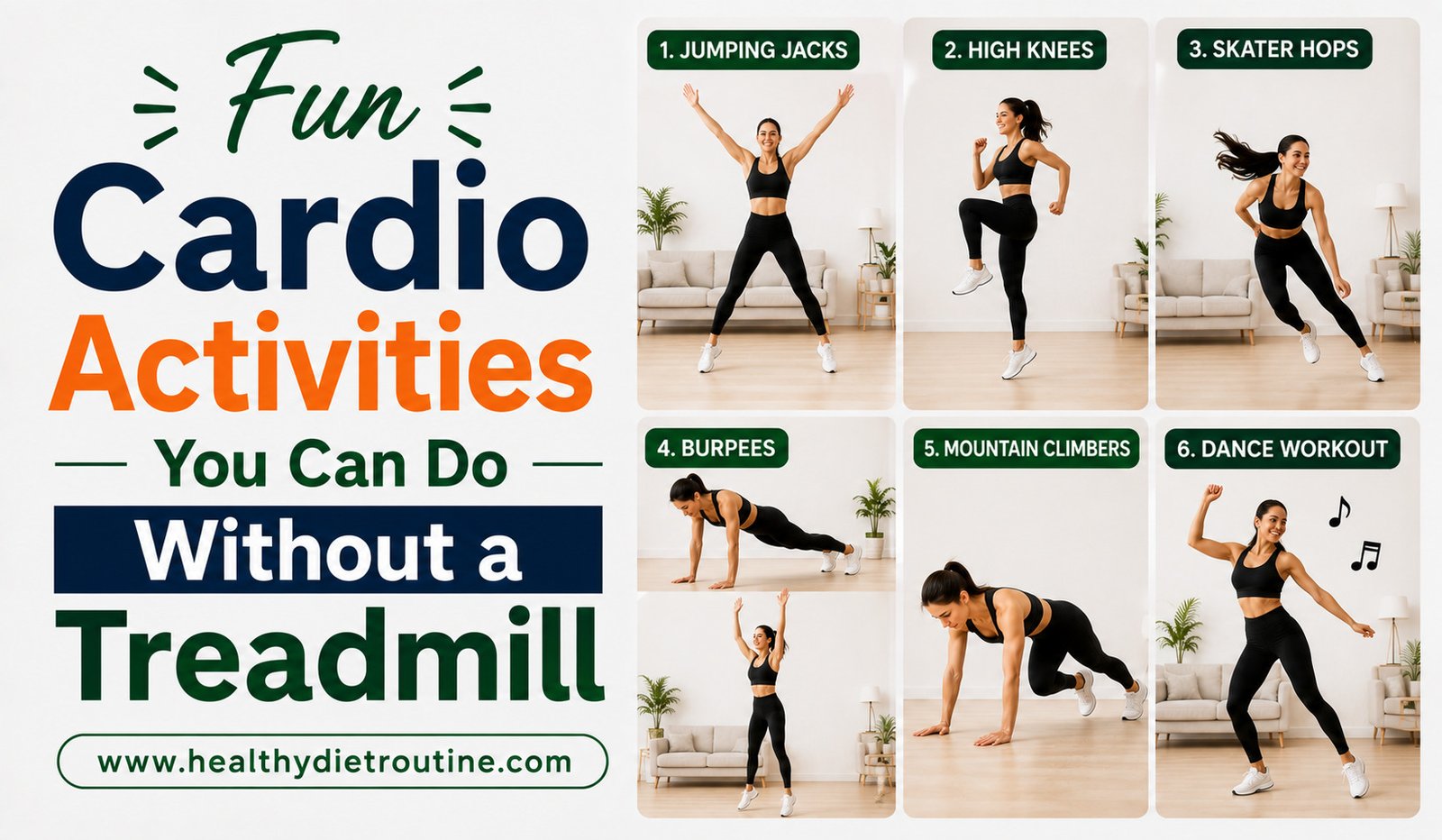
Cardio exercise does not have to mean spending long periods on a treadmill or using complicated gym machines. If traditional workouts feel repetitive, there are plenty of enjoyable ways to get your heart pumping at home or outdoors.
Cardiovascular activities can support heart and lung fitness, improve endurance, and add more movement to your day. The best activity is often one you genuinely enjoy because you are more likely to continue doing it regularly.
From dancing and brisk walking to cycling and simple bodyweight circuits, here are some fun cardio activities you can do without a treadmill.
What Counts as Cardio Exercise?
Cardio exercise is any activity that increases your heart rate and makes your body work harder for a sustained period. It can range from gentle movement to vigorous exercise.
You do not need to run or use a treadmill to get a cardio workout. Walking, dancing, swimming, cycling, stair climbing, jumping exercises, and active games can all increase your activity level.
Your ideal intensity depends on your fitness level. Beginners can start at a comfortable pace and gradually increase duration or intensity over time.
1. Dance at Home
Dancing is one of the easiest ways to turn cardio into an enjoyable activity.
Put on your favorite music and move around your living room. You can follow a dance workout video, create your own routine, or simply dance freely.
Try dancing continuously for 15–30 minutes, taking breaks when needed.
Because you control the pace, dancing can be adapted for beginners. Step-based movements can provide a lower-impact option, while faster movements can make the workout more challenging.
2. Brisk Walking
Walking may sound simple, but a brisk walk can provide a useful cardiovascular workout.
Walk around your neighborhood, at a local park, or even through a large indoor space when outdoor conditions are unsuitable. Maintain a pace that feels noticeably faster than a casual stroll while remaining comfortable.
You can make walking more interesting by exploring a new route, listening to music or a podcast, or walking with a friend.
3. Stair Climbing
If you have access to a safe staircase, climbing stairs can be an effective cardio activity.
Walk up and down the stairs at a comfortable pace, taking breaks as necessary. Beginners should start slowly and use the handrail when appropriate.
You do not need to climb continuously for a long time. Short intervals can be repeated throughout a workout.
Avoid using unstable stools, chairs, or makeshift platforms for step exercises.
4. Jumping Jacks
Jumping jacks are a classic bodyweight cardio exercise that require very little space.
Stand upright with your feet together. Jump or step your feet outward while raising your arms, then return to the starting position.
If jumping feels uncomfortable, perform step jacks instead. Step one foot outward at a time while moving your arms.
Try 20–30 seconds, rest, and repeat several times.
5. Cycling
Cycling is an enjoyable way to improve cardiovascular fitness while spending time outdoors.
You can cycle through your neighborhood, use a bicycle for short errands, or explore dedicated cycling paths where available.
Adjust your speed according to your fitness level and surroundings. Always follow local traffic rules and use appropriate safety equipment.
If you prefer indoor exercise, a stationary bicycle can also provide cardio without requiring a treadmill.
6. Jump Rope
Jumping rope can turn a short workout into a challenging cardio session.
Start with short intervals because continuous jumping can be demanding for beginners. Try 20–30 seconds of jumping followed by a rest period.
If jumping is uncomfortable or you are not used to the movement, begin with simulated rope turns or low-impact alternatives.
Choose a suitable surface and enough clear space to avoid hitting furniture or other objects.
7. Follow-Along Cardio Workouts
Online follow-along workouts can make exercising more structured and entertaining.
You can find routines involving dance, low-impact cardio, bodyweight movements, or aerobic combinations. Choose a beginner-friendly session if you are new to exercise.
One advantage of follow-along workouts is that you do not have to design your own routine. You simply follow the instructor’s movements and take breaks when necessary.
8. Shadow Boxing
Shadow boxing can be an energetic cardio activity that requires no equipment.
Stand with your feet comfortably positioned and practice controlled punches in the air. Combine straight punches with gentle footwork and keep your movements relaxed.
Start with short intervals of 30–60 seconds and rest between rounds.
Avoid aggressively locking your elbows and focus on controlled movement.
9. Hiking
If you have access to safe trails or suitable outdoor areas, hiking can combine cardio exercise with time in nature.
Walking uphill generally increases the effort compared with walking on flat ground. Beginners should choose an appropriate trail and bring enough water.
Hiking can also be a social activity, making it easier to stay motivated.
10. Swimming
Swimming is a full-body activity that can provide cardiovascular exercise while placing relatively low impact on the joints.
You can swim continuously at a comfortable pace or alternate between short periods of swimming and rest.
If you are not a confident swimmer, choose a supervised environment and follow appropriate water-safety practices.
11. Active Household Chores
Everyday household activities can contribute to your overall movement.
Vacuuming, cleaning floors, gardening, washing the car, organizing rooms, and other active chores can get you moving.
These activities may not replace structured exercise, but they can reduce the amount of time you spend sitting and contribute to your daily physical activity.
Try putting on music while cleaning to make the activity more enjoyable.
12. Outdoor Games
Playing an active game can make cardio feel less like exercise.
Badminton, football, basketball, frisbee, tag, and other recreational activities can involve walking, running, changing direction, and repeated movement.
Playing with friends or family can add a social element and make it easier to stay active regularly.
Choose activities that match your fitness level and available space.
13. Low-Impact Cardio Circuit
You can create your own cardio routine using simple movements.
For example, perform:
- Marching in place for 45 seconds
- Step jacks for 30 seconds
- Standing knee lifts for 30 seconds
- Side steps for 45 seconds
- Standing punches for 30 seconds
Rest for one or two minutes and repeat the circuit.
This approach is useful when you have limited space or prefer exercising at home.
14. Outdoor Walking Intervals
If ordinary walking becomes repetitive, try changing your pace.
Walk comfortably for several minutes, then increase your pace for a short period before returning to an easier speed. Repeat the pattern throughout your walk.
For beginners, the faster intervals can be relatively short.
This can add variety without requiring running or specialized equipment.
How Long Should a Cardio Workout Last?
There is no single duration that works for everyone. Your fitness level, schedule, age, goals, and activity intensity all influence how much exercise is appropriate.
If you are new to cardio, starting with shorter sessions can make the habit easier to maintain. You can gradually increase the duration as your endurance improves.
You can also divide activity into shorter periods throughout the day. A few active breaks may be more realistic than trying to complete one long workout.
How to Make Cardio More Enjoyable
Enjoyment can make a major difference in consistency. Choose music you like, exercise with friends, explore new walking routes, or rotate between several activities.
You do not have to repeat the same workout every day. Dance on one day, walk or cycle on another, and try a bodyweight circuit later in the week.
Setting small goals can also help. Instead of focusing only on weight loss or appearance, track improvements such as walking for longer, completing more intervals, or feeling more energetic during daily activities.
Safety Tips for Cardio Exercise
Start gradually, particularly if you have been inactive for a long time. A few minutes of gentle movement can help prepare your body for more intense activity.
Wear suitable footwear for walking, running, or jumping activities and choose a safe surface. Stay hydrated, especially in hot weather.
Stop exercising if you experience concerning symptoms such as chest pain, severe dizziness, or unusual shortness of breath. If you have an existing health condition or are unsure what level of exercise is appropriate, consider seeking guidance from a qualified healthcare professional.
Final Thoughts
You do not need a treadmill to enjoy effective cardio exercise. Fun cardio activities without a treadmill can include dancing, brisk walking, cycling, stair climbing, swimming, hiking, jump rope, shadow boxing, outdoor games, and simple home circuits.
The best activity is one that matches your fitness level and fits naturally into your lifestyle. Start with manageable sessions, experiment with different activities, and gradually increase your activity as you become more comfortable.
Cardio does not have to feel like a chore. When you choose activities that you genuinely enjoy, staying active can become a natural and rewarding part of your everyday routine.