Healthy Habits to Try Before the Start of a New Month
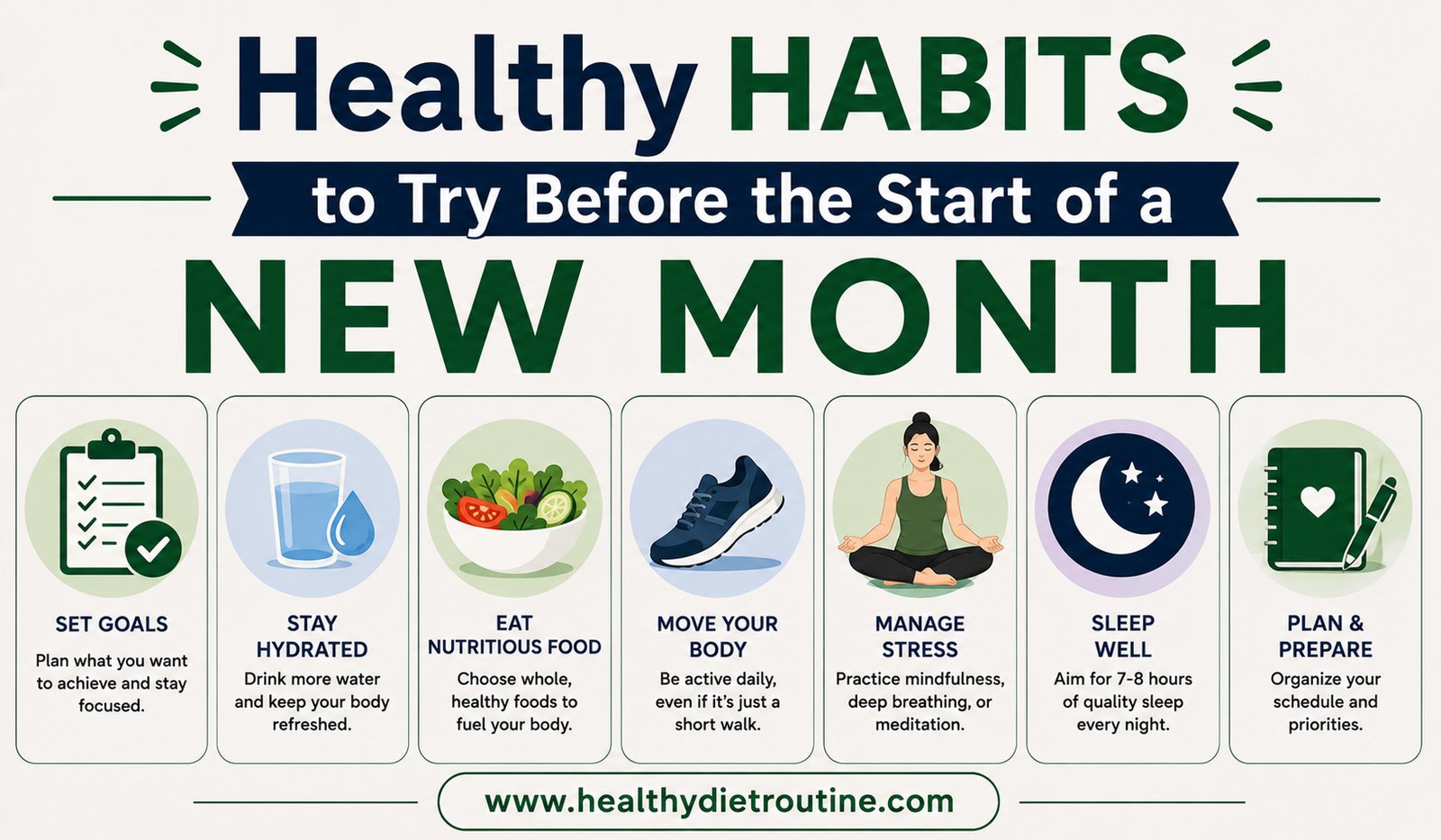
The beginning of a new month can feel like a natural opportunity to reset your routine. Instead of waiting for a major life change or making an unrealistic list of resolutions, you can use the final days of the current month to introduce a few simple healthy habits.
Small changes in eating, movement, sleep, hydration, organization, and daily routines can create a stronger foundation for the weeks ahead. The goal is not to transform your lifestyle overnight. It is to identify practical habits that you can realistically continue once the new month begins.
Here are some simple healthy habits worth trying before the start of a new month.
1. Review Your Current Routine
Before adding new habits, take a moment to look at what you are already doing.
Think about your sleep schedule, meals, physical activity, screen time, work routine, and time spent relaxing. Identify one or two areas that could use improvement.
You do not need to criticize yourself for habits that have not worked. The purpose of a monthly reset is to understand what is realistic and make better choices going forward.
For example, if you frequently skip breakfast because your mornings are rushed, preparing something simple the night before may be more useful than creating an elaborate meal plan.
2. Drink More Water Throughout the Day
Hydration is a simple habit that can easily become part of your daily routine.
Keep a reusable water bottle nearby while working, studying, traveling, or exercising. Having water within reach can make it easier to remember to drink regularly.
Your fluid needs can vary depending on factors such as weather, activity level, and individual circumstances. Rather than following a rigid target, pay attention to your body’s needs and make regular hydration part of your day.
3. Add More Movement to Your Day
You do not have to wait for the first day of the new month to become more active.
Start by adding small amounts of movement to your current routine. Take a short walk, stretch between work sessions, use the stairs when practical, or spend a few minutes doing simple exercises at home.
If you already exercise regularly, focus on consistency rather than suddenly increasing your workout intensity.
Small daily movement habits can make an active lifestyle feel more natural.
4. Improve Your Sleep Schedule
A new month is a good reason to establish more consistent sleep and wake times.
Try going to bed and getting up at similar times each day. Create a relaxing routine before bed and reduce activities that keep your mind highly stimulated late at night.
You can also make your bedroom more comfortable by keeping it reasonably dark, quiet, and suitable for sleep.
Do not try to completely change your sleep schedule in one night. Gradual adjustments may be easier to maintain.
5. Add More Nutritious Foods to Your Meals
Healthy eating does not have to mean following a strict diet.
Instead of focusing only on foods you want to eliminate, think about what nutritious foods you can add. Include more vegetables, fruits, whole grains, legumes, nuts, seeds, or suitable protein sources according to your preferences and dietary needs.
Simple changes can make meals more balanced. For example, add vegetables to lunch or include fruit with a snack.
The objective is to build eating habits that are practical enough to continue throughout the new month.
6. Plan a Few Meals in Advance
Busy schedules can make healthy eating more difficult. Planning a few meals before the week begins can reduce last-minute decisions.
You do not need to prepare every meal in advance. Simply deciding what you will have for a few lunches or dinners can make grocery shopping and cooking easier.
Keep a few convenient ingredients available so that you have simple options when you are short on time.
Meal planning should make your routine easier rather than create additional stress.
7. Reduce Unnecessary Screen Time
The final days of a month can be a useful time to examine how much time you spend scrolling through social media, watching videos, or browsing your phone.
You do not have to eliminate entertainment. Instead, identify situations where screen use has become automatic.
For example, you might avoid checking your phone immediately after waking up or create a screen-free period before bed.
Use the extra time for walking, reading, hobbies, conversation, or simply taking a break.
8. Take Regular Breaks From Sitting
If you spend several hours working or studying at a desk, make movement breaks part of your routine.
Stand up periodically, walk around the room, stretch gently, or step outside for a few minutes.
Long periods of sitting can make the day feel physically repetitive. Regularly changing positions provides opportunities to move and reset your attention.
A short movement break does not need to interrupt your productivity. In many situations, stepping away briefly can help you return to your task with a fresh mind.
9. Create a Simple Morning Routine
Your morning routine can influence how the rest of your day feels.
Instead of reaching immediately for your phone, consider starting with simple activities such as drinking water, opening the curtains, getting some natural light, stretching, or preparing a balanced breakfast.
You do not need a long list of morning tasks. Choose a few habits that make your mornings calmer and easier to manage.
A realistic routine is more useful than one that looks impressive but becomes difficult to maintain.
10. Spend More Time Outdoors
Make an effort to spend some time outside before the new month begins.
A walk in a nearby park, time in the garden, cycling, outdoor exercise, or simply sitting outside can provide a change from an indoor routine.
Outdoor activities can also make movement more enjoyable.
Choose activities that suit the weather and your surroundings, and avoid extreme conditions that make outdoor exercise uncomfortable or unsafe.
11. Organize Your Kitchen
A healthier routine can become easier when your environment supports it.
Spend some time organizing your kitchen, checking your food supplies, and making nutritious ingredients easier to find.
Keep commonly used foods accessible and store items in a way that makes meal preparation more convenient.
You can also check expiration dates and clean areas that have become cluttered.
A more organized kitchen can reduce the temptation to rely entirely on last-minute food choices.
12. Prepare Your Workout Clothes and Equipment
If you want to exercise more regularly in the new month, prepare before it begins.
Wash your workout clothes, organize your shoes, clean your exercise mat, and put frequently used equipment where you can easily find it.
If you exercise at a gym, prepare your gym bag in advance.
Reducing the small obstacles between you and your workout can make it easier to follow your routine.
13. Practice Better Posture Habits
The end of the month is a good time to become more aware of how you sit, stand, and use your devices.
Adjust your desk setup so that your monitor, keyboard, chair, and other equipment are comfortable. Avoid staying in exactly the same position for hours.
Take movement breaks and change your position regularly.
Good posture is not about holding one rigid position all day. It is about finding comfortable positions and moving regularly.
14. Make Time for Mental Breaks
Healthy habits are not limited to food and exercise. Your mental routine also deserves attention.
Schedule short periods when you can step away from work, study, or other responsibilities.
Read, listen to music, spend time with friends, enjoy a hobby, take a walk, or simply sit quietly.
You do not need to make every free moment productive. Allowing yourself to relax can be an important part of maintaining balance.
15. Set Small Goals for the New Month
Instead of creating a long list of ambitious resolutions, choose a few achievable goals.
For example, you might decide to walk several times a week, prepare more meals at home, maintain a consistent bedtime, or spend less time scrolling before bed.
Make your goals specific enough to track but flexible enough to fit your real life.
If you miss a day, do not consider the entire goal a failure. Simply return to the habit the next day.
16. Clean Up Your Digital Environment
A monthly reset can also include your digital life.
Delete unnecessary files, organize important documents, clean up your phone’s home screen, unsubscribe from unwanted emails, and remove apps you no longer use.
You can also review social media accounts and notifications.
A less cluttered digital environment may make it easier to focus on the activities that matter most to you.
17. Create a Simple Grocery List
Before the new month begins, think about the foods you regularly use.
Create a practical grocery list based on meals you actually enjoy eating. Include ingredients for balanced breakfasts, lunches, dinners, and snacks.
Avoid buying large amounts of foods simply because they are considered healthy if you know they will remain unused.
Healthy habits work better when they fit your preferences and everyday routine.
18. Focus on Consistency, Not Perfection
One of the most important habits to carry into a new month is a realistic mindset.
You will not follow your routine perfectly every day. Unexpected events, busy schedules, travel, social occasions, and low-energy days are normal.
Missing one workout or having an unbalanced meal does not erase your progress.
Instead of starting over every time something goes wrong, return to your routine when you can.
Create Your Own Monthly Reset
A simple monthly reset might include reviewing your current habits, choosing two or three areas to improve, preparing your food and workout essentials, and setting realistic goals.
You could spend an hour at the end of the month organizing your kitchen, planning meals, preparing workout clothes, reviewing your schedule, and deciding what you want to focus on next.
Keep the process simple. The purpose is to make the coming month easier, not to create another source of pressure.
Final Thoughts
The start of a new month can be a useful reminder to make positive changes, but you do not need to wait for a particular date to begin.
Drink enough water, move regularly, improve your sleep routine, eat more nutritious foods, reduce unnecessary screen time, spend time outdoors, and create moments for relaxation.
Choose only a few habits at first and give yourself time to build them. Sustainable health improvements usually come from small actions repeated consistently rather than dramatic changes made for a few days.
Use the final days of the month as an opportunity to prepare, reset, and create a routine that feels realistic for the weeks ahead.